
 EN
EN
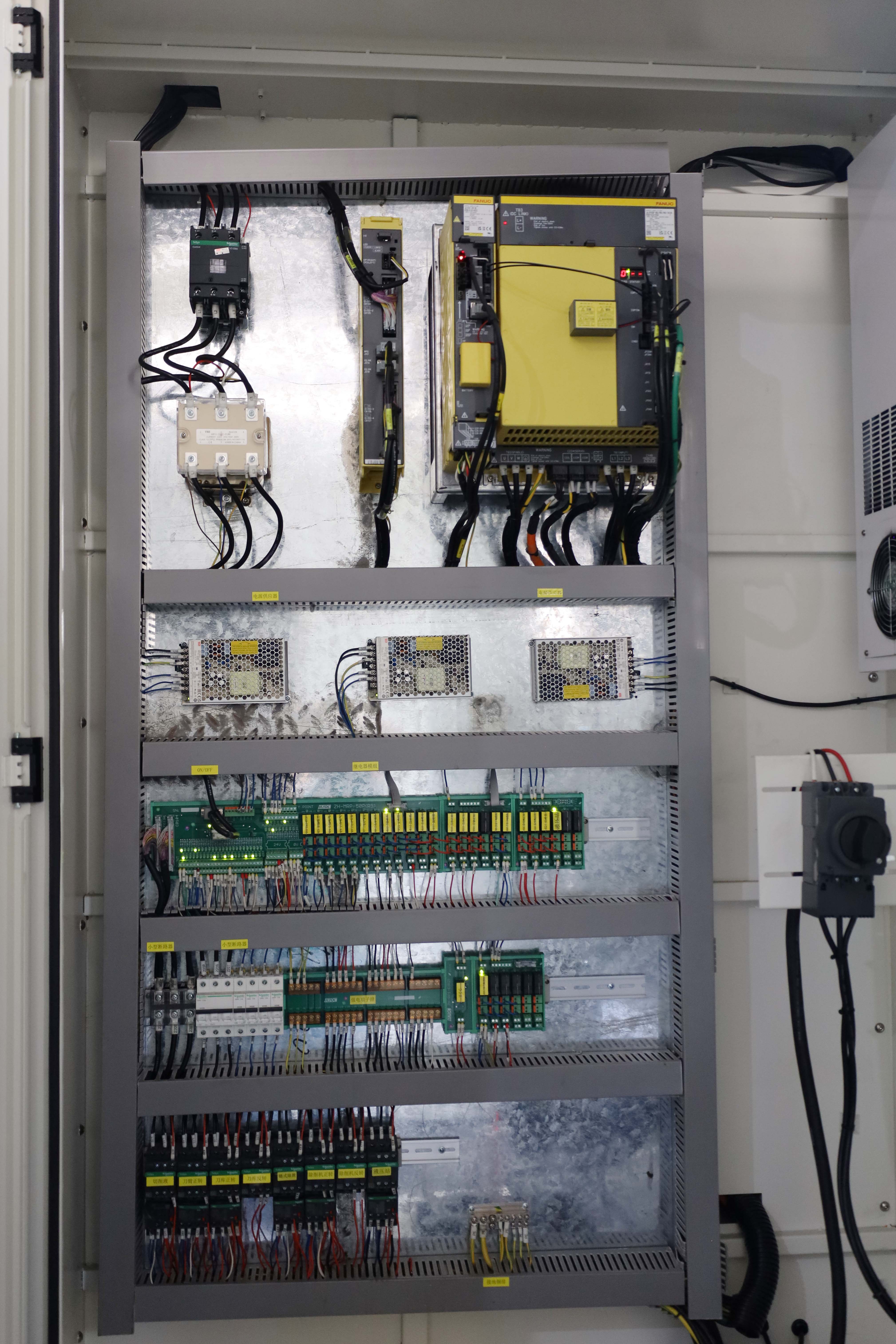
Critical Drilling Machine Components and Their Maintenance Priorities
Hoisting System, Drill Rods, and Mud Circulation Integrity Checks
A good hoisting system forms the backbone of efficient and safe drilling operations. Regular checks on wire rope tension and winch mechanisms shouldn't be optional but absolutely required. When it comes to drill rods, we need to look closely for tiny cracks and worn threads because even small issues can cause major problems down the line that stop operations completely. The mud circulation system plays a huge role in keeping the wellbore stable and getting rid of cuttings properly. Operators should check pump pressure every day, aiming to stay below 180 PSI, while also paying attention to how well the shale shakers are working. These three areas deserve top priority in any maintenance schedule.
- Rigging components: Inspect hooks and swivels for deformation or surface cracking
- Drill rod alignment: Even minor misalignment accelerates fatigue fractures and compromises torque transmission
- Mud density: Maintain 9.5–10.5 lb/gal to prevent formation collapse or fluid loss—deviations outside this range increase wellbore instability risk by up to 62% (API RP 13C, 2022)
Engine, Hydraulic System, Filters, and Hoses: Identifying Early Failure Indicators
Spotting hydraulic problems early usually depends on watching for pressure changes that go beyond plus or minus 15% from normal readings. These kinds of fluctuations are typically one of the earliest warning signs something's wrong with valves or there might be internal leaks happening. When checking engines, technicians need to pay close attention to strange exhaust fumes and contaminated oil samples. Experience shows these issues tend to come up right before bearings wear out or piston rings start failing. Filters should get replaced roughly every 500 hours of operation according to recent studies published in the Fluid Analysis Journal back in 2023. The research found that old filters were responsible for about seven out of ten preventable hydraulic system contaminations. For hose inspections, mechanics look specifically at three main indicators that signal potential trouble ahead:
- Bulging: Indicates elastomer fatigue and imminent rupture risk
- Seepage: Signals seal degradation—not just at fittings but along the hose body
- Temperature hotspots: Reveal localized flow restrictions or internal delamination
Drill Bits and Cooling Systems: Ensuring Precision and Thermal Stability
Diamond drill bits start to lose their cutting power when temperatures go over around 600 degrees Fahrenheit. This happens quite often actually, since SPE Drilling & Completion Journal found that about 38% of early bit changes are because of this heat issue back in 2022. To fight this problem, water cooling systems work best when they maintain good flow rates, ideally at least 40 gallons per minute, plus regular checks on those heat exchangers really help too. When bits aren't properly aligned, even just half a degree off can triple how fast they wear down. The reason? Uneven pressure builds up across different parts of the bit. That's why many modern setups now include two thermal sensors in the cooling system. These let operators spot problems as they happen before things get too hot.
- Inadequate coolant flow (e.g., due to pump cavitation or air ingress)
- Clogged nozzles, which reduce jet velocity and impair cuttings removal
- Bearing heat transfer failures, often caused by grease breakdown or misalignment
Preventive Maintenance Schedule: Daily, Weekly, and Monthly Drilling Machine Tasks
Daily Drilling Machine Checks: Leaks, Fluid Levels, and Visual Wear Assessment
Starting every shift with a proper walk around makes good sense for maintenance work. Take time to look at those hydraulic lines, connections, and cylinder seals for any signs of leakage. Just think about it - a single drop escaping every minute adds up to more than 740 liters wasted in a year according to Fluid Systems Journal from last year. Before turning anything on, double check the engine oil level, coolant status, and hydraulic fluid in the reservoirs against what the manufacturer recommends. When inspecting equipment, pay special attention to parts under constant stress. Look closely at drill rods for any signs of thread damage or bending issues. Check hoisting cables for broken strands or areas where they might be kinked. Don't forget to examine mast structures too, watching out for corrosion spots or cracks in the welds, particularly important when working in dusty mining sites or construction zones where debris can accelerate wear. Recording these findings in digital format helps track how things are performing over time and catches small problems before they become major headaches down the road.
Filter Replacement, Lubrication Cycles, and Hydraulic Fluid Monitoring Protocols
Adopt environment- and usage-adjusted maintenance intervals: replace air intake filters weekly in high-dust settings (e.g., foundation engineering), and oil filters every 200 operating hours. Lubrication must follow component-specific demands:
| Component | Lubrication Frequency | Recommended Grade |
|---|---|---|
| Slewing Bearings | Every 50 hours | EP2 Grease |
| Track Rollers | Weekly | Lithium Complex |
| Hydraulic Cylinders | Monthly | Anti-wear Oil |
Keeping track of hydraulic fluid viscosity on a monthly basis through inline sensors makes good sense since thermal breakdown by itself can cut system efficiency down by as much as 15% according to Fluid Power Association data from 2023. For those working in oil and gas environments, regular particle count tests every three months help maintain those important ISO 18/15/12 cleanliness levels across equipment. Maintenance teams should align their filter replacement schedules with standard lubrication intervals whenever possible. This approach not only streamlines overall maintenance planning but also helps avoid unexpected shutdowns that disrupt operations so badly.
Operator Training and Systemic Maintenance Culture for Drilling Machine Reliability
Calibration, Alignment, and Correct Operation to Prevent Accelerated Drilling Machine Wear
Getting depth sensors and pressure transducers properly calibrated can actually cut bearing stress down around 40%. This isn't just theory either, several real world tests in foundation engineering back it up, including research published in the ASCE Journal of Geotechnical Engineering back in 2021. When operators follow those standard startup procedures, like slowly engaging the throttle and making sure bits are cooled before rotation starts, they really do help reduce thermal shock problems in both drive motors and gearboxes. Checking mast straightness every day with laser alignment equipment stops uneven loading on drill rods, which matters a lot. And don't forget about those torque limits when drilling through tough rock formations, these settings keep transmissions from getting damaged. The calibration records themselves turn out to be pretty useful too, acting as early warning signs for when hydraulics start drifting off course. Oil and gas companies that track these logs regularly report cutting their unexpected downtime roughly 30%, according to industry reports.
Building a Sustainable Preventive Maintenance Program: Scheduling, Accountability, and KPI Tracking
Building reliability into daily operations requires a clear chain of responsibility at different levels. Operators need to keep track of their fluid checks and do regular visual inspections. Supervisors should be looking at how well lubrication tasks get done and checking those calibration records. Maintenance managers meanwhile need to spend time reviewing all that trend data coming in from the field. The numbers tell stories about what's really happening on site. For instance, companies that started holding monthly performance reviews saw their replacement rate for hydraulic hoses drop by about a quarter in construction drilling projects. Getting maintenance departments and production teams to coordinate their schedules makes sense for everyone involved. When planned properly, preventive maintenance stops being just another expense item and starts contributing directly to machine uptime, workplace safety, and ultimately lowers the overall costs associated with equipment ownership over time.
FAQ
Why is regular maintenance on a hoisting system important?
Regular maintenance on a hoisting system is critical because it ensures efficient and safe drilling operations. It involves checking wire rope tension and winch mechanisms to prevent operational stoppages.
What are the signs of early failure in hydraulic systems?
Early failure signs in hydraulic systems include pressure changes beyond plus or minus 15% from normal readings, strange exhaust fumes, contaminated oil samples, and seepage along the hose body.
How often should drill rods be checked for alignment?
Drill rod alignment should be checked regularly as even minor misalignment can accelerate fatigue fractures and compromise torque transmission, affecting drilling efficiency.
What role do operators play in preventive maintenance?
Operators play a vital role in preventive maintenance by keeping track of fluid checks, conducting regular visual inspections, and ensuring proper calibration of equipment to prevent accelerated wear and operational inefficiencies.

