
 EN
EN
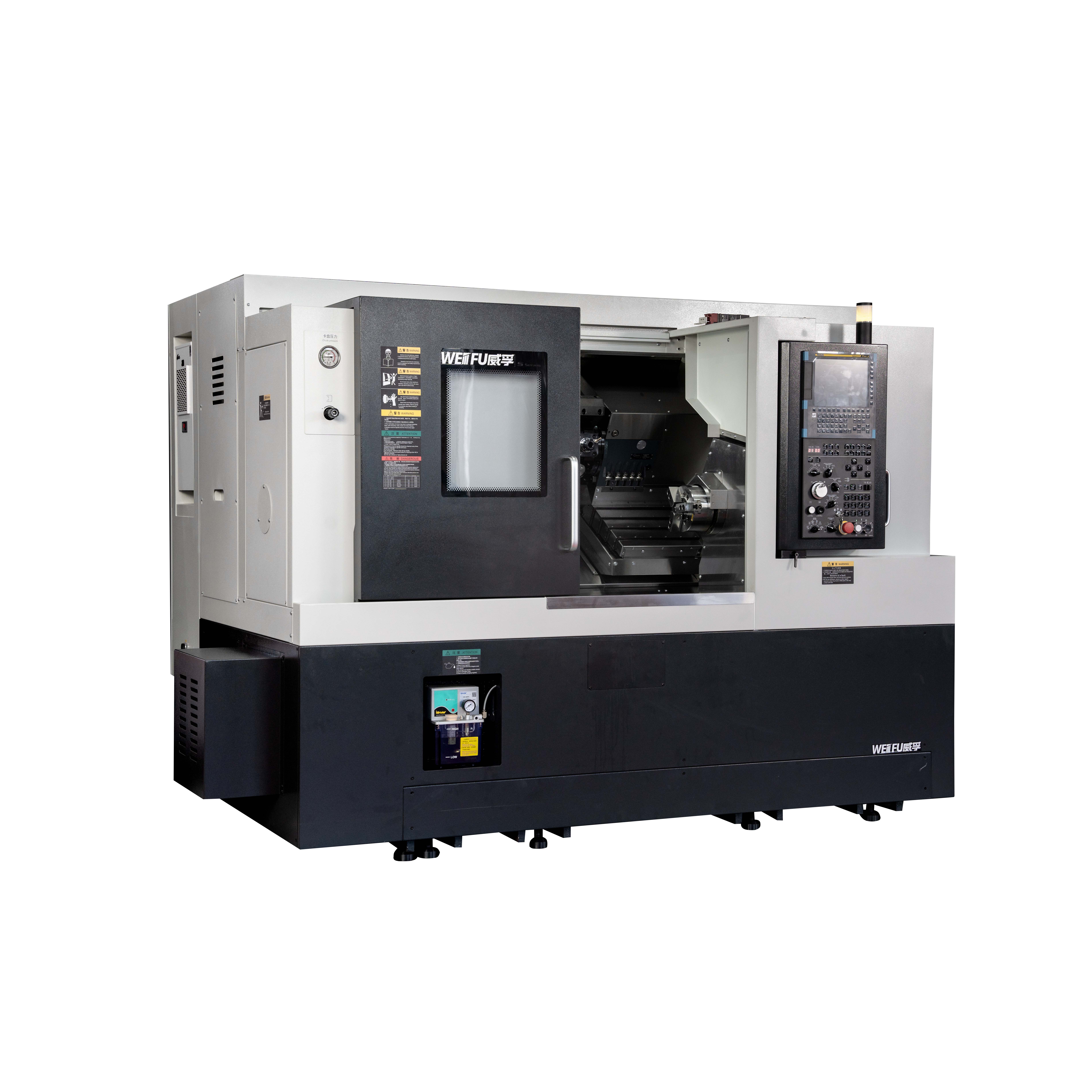
Core Structural Design of the Gantry Machining Center
Monolithic Bridge, Dual Columns, and Fixed Table Architecture
Gantry machining centers are built around a solid bridge held up by two strong, matching columns. This design gets rid of the twisting problems that happen with traditional C-frame setups. The machine has a heavy duty base table that can hold really big parts weighing as much as 20 tons. Meanwhile, the main bridge moves along the X axis during operation. There are actually several benefits to this setup when working with large components in manufacturing environments.
- Unmatched rigidity, distributing cutting forces evenly across both columns;
- Minimal thermal distortion, maintaining positional stability over extended runtime;
- Expansive work envelope, enabling X-axis travels exceeding 10 meters without measurable accuracy loss.
Precision Linear Guides, Heavy-Duty Ball Screws, and Thermal Compensation Systems
Motion fidelity relies on three tightly integrated subsystems: high-rigidity linear guides that resist vibration-induced deviation; oversized C0-grade ball screws with preloaded nuts to suppress backlash; and active thermal compensation systems that monitor spindle and ambient temperatures in real time. These systems drive measurable performance:
- Sub-5 µm backlash across all axes under full-load conditions;
- 3.5 arc-seconds angular drift maintained over 48-hour continuous operation;
- Dedicated cooling circuits for ball screws and servo motors to sustain thermal equilibrium.
Finite Element Analysis for Rigidity Optimization and Load Distribution
Manufacturers apply Finite Element Analysis (FEA) during design to simulate static/dynamic loading, modal resonance, and thermal expansion paths. Key outcomes include:
- Optimized ribbing patterns in columns and bridges—raising natural frequency by 40–60%;
- Strategic use of polymer-concrete fillers to dampen vibration by up to 30 dB;
- Real-time load-distribution algorithms that dynamically adjust servo response during asymmetric milling operations.
Achieving High-Precision Machining on Large-Scale Components
Sub-5 µm Positional Accuracy Under Full-Cut Conditions
Getting sub 5 micrometer accuracy while doing heavy cutting work comes down to three main factors working together: solid structural design, real time temperature adjustments, and those high quality C0 grade ball screws that have been properly tensioned. Regular machining centers just can't hold these tight tolerances when working with tough aerospace materials at full power. But gantry type machines keep their precision intact throughout the process, which means parts like airplane wings over 15 meters long stay dimensionally correct from start to finish. This kind of exactness matters a lot for flight performance characteristics. And let's face it, no one wants to spend extra money fixing mistakes in production runs that require strict certification standards. The savings alone make all this engineering worthwhile.
Active Vibration Damping and Dynamic Stiffness Enhancement
Accelerometers built right into the system pick up on those annoying vibrations between tools and workpieces, then send signals to electromagnetic actuators that create counter forces almost instantly. This kind of active damping works hand in hand with the inherent rigidity provided by dual column designs and bases made from polymer concrete composites. These materials soak up those high frequency vibrations while boosting dynamic stiffness well beyond 200 Newtons per micrometer. What does this mean for actual production? Manufacturers can machine delicate titanium fuselage frames at much higher material removal rates than before. Surface finishes routinely come out under Ra 0.4 micrometers without any chatter marks or unwanted deflections, something that used to be nearly impossible with conventional methods when working with such thin walls.
Critical Industrial Applications of the Gantry Machining Center
Aerospace: Wing Skins and Fuselage Frames (AS9100 Rev E Compliance)
Gantry machining centers play a vital role in aerospace manufacturing that meets AS9100 Rev E standards. These machines handle everything from large aluminum wing skins to tough titanium fuselage frames all in one setup. When we look at the specs, many gantries have X-axis travel over 10 meters long and can maintain accuracy below 5 microns even when heavy workpieces are involved. This level of precision is absolutely necessary for parts where dimensions cannot vary even slightly. The double column design keeps things stable so vibrations don't warp those delicate thin walls. Plus there's thermal compensation built in too, which means tolerances stay within spec even after hours of cutting through bulkheads or drilling hundreds of fastener holes. All this adds up to fewer inspections needed after machining and faster assembly times overall.
Energy and Shipbuilding: Large Structural Panels and Propulsion Housings
Gantry machining centers play a vital role in both energy production and shipbuilding industries. These machines cut through massive metal castings to create parts like nuclear reactor components, azimuth thruster housings, and large steel bulkheads. What makes them so effective is their five axis capability which means operators don't have to keep repositioning workpieces during the process. The fixed table design allows these machines to handle 8 meter long tidal turbine blades without interruption, maintaining an impressive flatness tolerance of plus or minus 0.01 mm across all surfaces something absolutely essential for proper hydrodynamic performance. For really heavy duty applications, special ball screws can handle loads exceeding 20,000 kilograms. And when it comes to those tricky deep pocket milling operations on propulsion housing components, sophisticated chip removal systems help maintain machine reliability even under extreme conditions.
Key Selection Criteria for a Gantry Machining Center
Matching Travel Envelope (X > 10 m), Payload Capacity (>20,000 kg), and Spindle Power to Application Needs
When choosing a gantry machining center, getting the specs right for the parts being worked on is absolutely critical. For things like propulsion housings, structural panels, or aircraft components, look for machines with at least 10 meters of X-axis travel and capable of handling payloads over 20,000 kilograms. Machines that are too small just won't get the job done properly, while those lacking sufficient payload capacity will struggle when making deep cuts through thick materials. The spindle power needs to align with what's actually being cut too. Heavy duty work with stainless steel or titanium demands high torque spindles rated above 30 kW. Aluminum cutting benefits from higher RPM models that can spin past 15,000 revolutions per minute. According to industry data from last year, shops that don't match their spindle specs to actual cutting needs end up wasting between 15% and 20% of their time on avoidable delays during production runs.
Foundation Requirements, Installation Space, and Integration with Automation
Successful deployment hinges on infrastructure readiness:
- Foundation Specifications: Concrete bases ≥500 mm thick mitigate harmonic transmission; thermal shift in inadequately insulated foundations accounts for up to 40% of positional error in machines >8 m long.
- Clearance Planning: Vertical clearance of 6–8 m accommodates gantry height, overhead tool changers, and safety guarding.
- Automation Readiness: Standardized interfaces—such as MTConnect—cut integration costs by 30% versus proprietary protocols and enable seamless interoperability with pallet shuttles and robotic loaders.
Thermal mismanagement in foundations alone can degrade accuracy by 8–12 µm/m under full-load conditions. Leading installers now apply FEA during site planning to model load transfer, thermal gradients, and floor resonance—ensuring long-term metrological stability.
Frequently Asked Questions
What is the primary structure of a gantry machining center?
A gantry machining center primarily consists of a monolithic bridge held by dual columns and a fixed table architecture, offering stability and reducing twist.
How does the gantry machining center ensure precision?
Precision is assured through precision linear guides, heavy-duty ball screws, and thermal compensation systems that monitor and adjust to maintain accuracy.
What industries benefit most from gantry machining centers?
Industries like aerospace, energy, and shipbuilding benefit significantly due to the center's ability to handle large components with high precision.
What should be considered when selecting a gantry machining center?
Key considerations include matching the travel envelope, payload capacity, and spindle power to the specific application needs, along with foundation requirements and integration ease.

