
 EN
EN
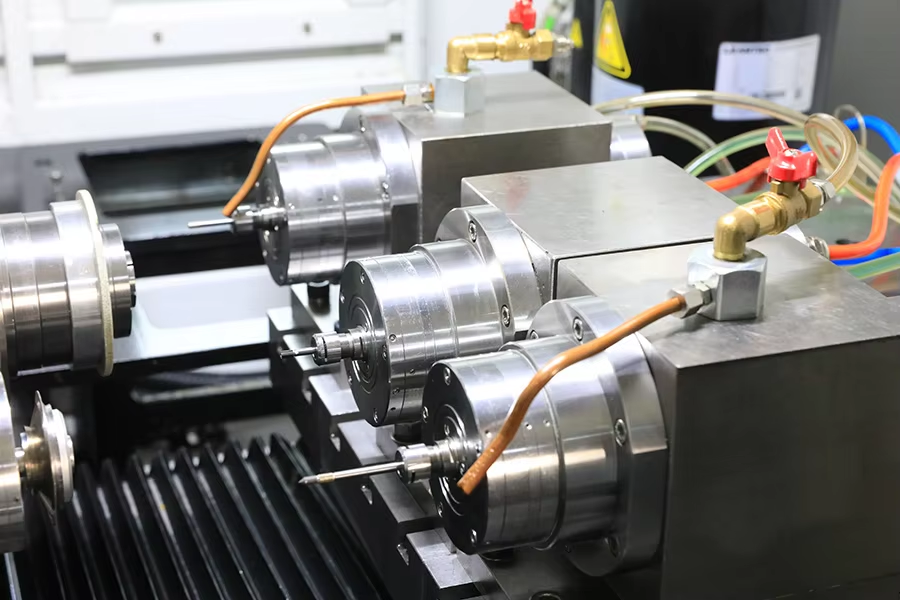
Cylindrical Grinders: Advanced CNC Control and Adaptive Automation for Smarter Grinding
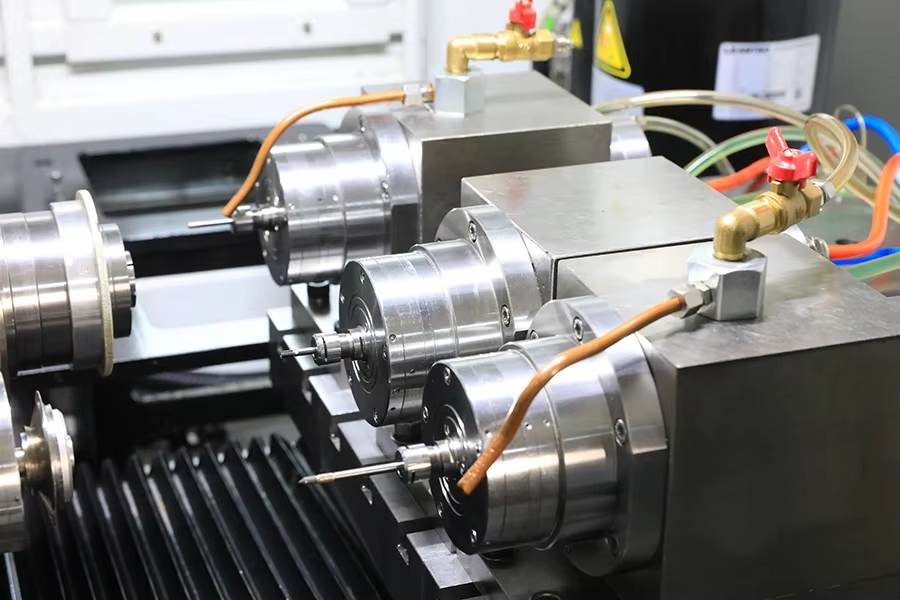
Closed-loop CNC with real-time thermal compensation and adaptive feed control
Today's cylindrical grinders come equipped with closed loop CNC systems that actually work with real time thermal compensation features. These systems fight against spindle growth when machines run for long periods, keeping accuracy down at the micron level even when temperatures in the workshop change around them. The adaptive feed control system works by constantly adjusting grinding settings based on what sensors pick up about cutting forces and how worn the wheels get. This helps protect expensive aerospace parts from heat damage while also cutting down on cycle times somewhere between 15 to 22 percent because the machine removes material more efficiently. Smart algorithms built into these systems can actually read ahead where tools might start deflecting and fix those issues before they become problems, which means consistently smooth surfaces below 0.2 microns roughness on tough alloys. Traditional open loop systems just don't compare since they need constant checking and adjusting by hand between batches to maintain proper dimensions.
Seamless automation integration: robotic loading, in-line deburring, and laser inspection
Modern integrated automation cells come equipped with six axis robots that handle parts in perfect sync with the machine cycle itself. These robots load raw material blanks into position and then move completed parts over to inline deburring stations without missing a beat. The result? No need for workers to step in manually, which saves about 30% of the time that would otherwise be wasted waiting around between operations. Laser inspection systems attached right to the grinding slide check diameters as the part goes through its final polish. If measurements drift beyond plus or minus 2 microns, the system automatically makes tiny corrections on its own. This kind of feedback loop keeps defects from happening later down the line and allows factories to run unattended overnight. With OPC UA compatibility built in, these systems talk seamlessly to MES platforms across the whole facility, making sure every component has complete documentation trail needed for sensitive industries like medical device manufacturing and defense contracts, all while keeping strict process standards intact.
Optimized Grinding Process Parameters for Speed and Surface Accuracy
Precise calibration of grinding parameters is foundational to balancing productivity and part quality. For cylindrical grinders, optimized settings minimize cycle times while holding micron-level tolerances—especially critical for aerospace bearings and medical shafts, where surface integrity directly determines functional reliability and service life.
Precision coolant delivery and MQL strategies for thermal stability and surface integrity
Keeping thermal control is really important when it comes to maintaining the shape of workpieces and their internal structure. Modern systems now mix coolants enhanced with nanoparticles that actually get into the grinding area about 27 percent deeper compared to regular coolants. These systems also incorporate what's called Minimum Quantity Lubrication or MQL technology which cuts down on fluid usage by around 90 percent while keeping temperatures in check at 65 degrees Celsius or lower. The nozzles used are specifically directed jets that move in sync with the wheel speed, making sure heat gets dispersed properly even when conditions change during operation. All these methods work together to minimize those temperature differences that cause parts to warp over time. As a result, manufacturers regularly see surface finishes that measure under Ra 0.2 micrometers, something that makes production managers very happy indeed.
Intelligent wheel dressing, truing, and superabrasive wheel life prediction
Keeping wheels in good shape really matters if we want to prevent problems like surface burning, chatter marks, and unexpected downtime. Today's technology brings some smart fixes to this issue. There are these adaptive dressing algorithms now that tweak truing parameters on the fly as the wheel wears down over time. We also see acoustic emission sensors being used to spot when the grit starts breaking down before it becomes a big problem. And then there are AI models predicting when those expensive CBN or diamond wheels need replacing, usually within about 5% accuracy. All these features together can stretch out wheel intervals by around 30%, all while maintaining cylinder roundness within plus or minus 2 micrometers. Real world tests with industry approved settings have shown grinding cycles getting shortened by roughly 18% when operating between 25 and 33 meters per second. This shows that smart systems can handle both fast material removal and still meet strict surface finish standards at the same time.
Machine Rigidity, Thermal Management, and Structural Integrity
Precision cylindrical grinding depends heavily on three main factors working together: rigidity, control of heat buildup, and solid construction. Machines typically have frames made from special cast iron that's been treated to reduce internal stresses or sometimes polymer concrete mixtures. These materials help keep the machine stable when subjected to the intense forces during grinding operations, which maintains accurate dimensions even after running for hours or days straight. Managing heat goes way beyond just spraying coolant onto parts. Modern systems also stabilize surrounding temperatures, balance heat distribution within components, and use built-in sensors that constantly adjust settings on computer controlled machines. For structural strength, manufacturers rely on guideways and spindle assemblies crafted from metals that expand very little when heated. These parts are carefully machined and pre-tensioned so they maintain their shape regardless of workload or operating duration. Getting something as small as 0.001 millimeters wrong anywhere in this system leads to noticeable quality issues and wasted material. Try achieving those tiny tolerances without all three aspects properly aligned? Impossible really. Software can only do so much if the physical machine isn't built right from the ground up.
In-Process Measurement and Closed-Loop Correction on the Cylindrical Grinder
On-machine probing, laser interferometry, and real-time geometry correction
The latest cylindrical grinders now integrate measurement right into the actual machining process, which cuts out those frustrating wait times when waiting for separate inspections and makes getting accurate results on the first try much more realistic. These machines come equipped with built-in probes that check important measurements between each pass, capable of detecting changes as small as 2 micrometers. They also use laser technology to monitor how heat affects the machine's position and catch any issues caused by vibrations. When it comes to making adjustments, smart software constantly tweaks things like where the grinding wheel sits, how fast it moves, and how long it stays in contact with the workpiece based on what it sees happening in real time. The system processes around 1,000 pieces of information every single second, keeping everything within just 5 micrometers of perfection even when working with tricky materials or dealing with worn-out wheels. Manufacturers who adopt this approach typically see their waste drop by about 30 percent, skip having to do extra checks later on, and end up producing components that are reliable enough for really important applications like hydraulic system parts and aircraft bearing assemblies.
FAQ
What is closed-loop CNC with real-time thermal compensation?
Closed-loop CNC systems monitor and control the grinding process with real-time adjustments based on thermal changes, ensuring precise accuracy despite temperature variations during operation.
How do robots integrate into grinding processes?
Six-axis robots automate loading and unloading processes in-sync with machine cycles, and enable seamless transitions between operations such as deburring, reducing manual intervention and saving time.
Why is coolant delivery important in grinding?
Effective coolant delivery maintains thermal stability, preventing part deformation and ensuring precise surface finishes essential for part quality and longevity.
What role does smart technology play in wheel maintenance?
Smart systems, including adaptive dressing algorithms and AI models, extend abrasive wheel life and ensure consistent grinding quality by predicting and adjusting wheel maintenance needs.
What is involved in in-process measurement?
In-process measurement involves integrated probes and laser interferometry to monitor and correct machining geometry in real-time, thereby enhancing precision and efficiency.
Table of Contents
- Cylindrical Grinders: Advanced CNC Control and Adaptive Automation for Smarter Grinding
- Optimized Grinding Process Parameters for Speed and Surface Accuracy
- Machine Rigidity, Thermal Management, and Structural Integrity
- In-Process Measurement and Closed-Loop Correction on the Cylindrical Grinder
- FAQ

