
 EN
EN
Precision and Repeatability: Where CNC Cylindrical Grinder Delivers Measurable Gains
Axis Rigidity, Thermal Stability, and Closed-Loop Feedback in CNC Cylindrical Grinder Systems
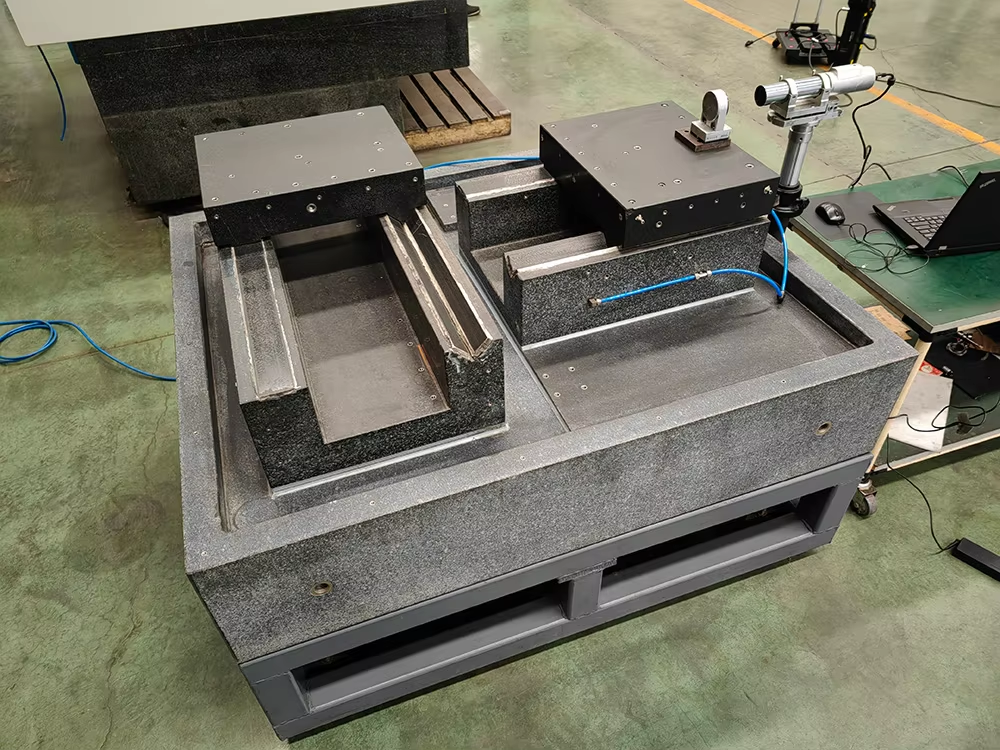
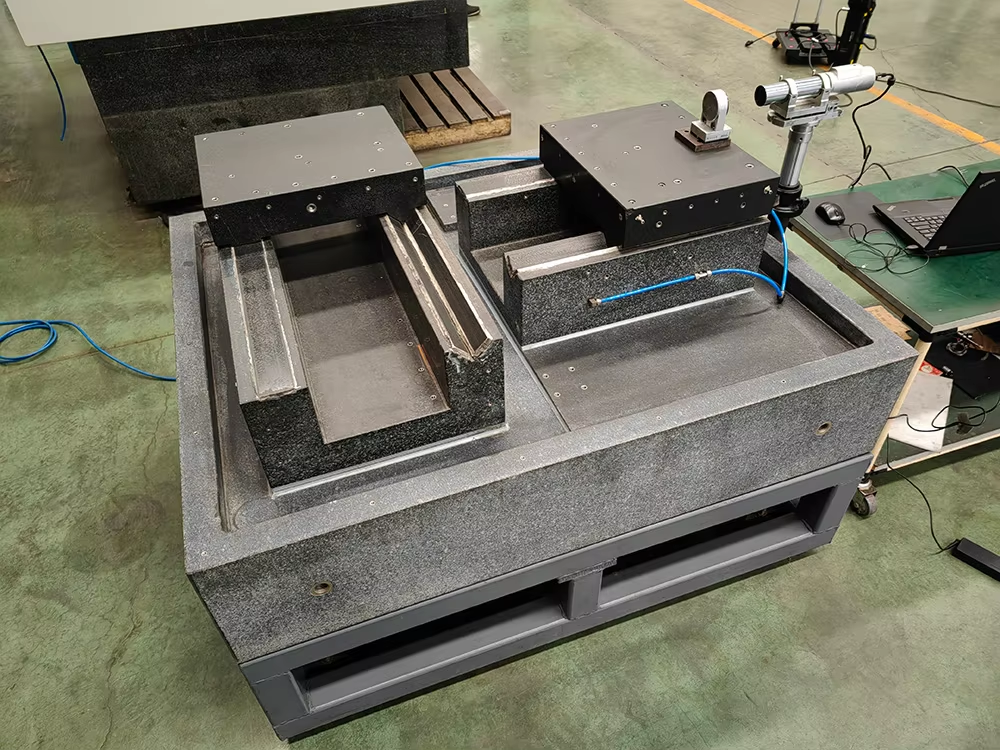
Modern CNC cylindrical grinders reach incredible precision at the micron level thanks to three main engineering components working together. The hardened linear guides combined with preloaded ball screws give outstanding axis stability, which means they resist bending even when dealing with heavy grinding forces. Thermal compensation systems built right into the machine constantly check the temperature of the spindle and make adjustments on the fly for heat expansion, keeping positions accurate within plus or minus 0.002 mm during long production sessions. On top of that, there's this high speed feedback system that checks the wheel position against what was programmed every single second (that's 1,000 times per second!), so it can fix any drift almost instantly. All these technologies work hand in hand to produce surfaces smoother than Ra 0.1 microns. Traditional machines just can't match this kind of consistency because someone has to manually adjust them, and that always brings some variation into the mix.
Quantifying Repeatability: ±0.001 mm vs. ±0.005 mm - When Tolerance Requirements Justify the Upgrade
When working on parts such as hydraulic valve spools or those tiny aerospace bearing races that need around 0.002 mm cylindricity, there really isn't much choice but to go with a CNC grinder. These machines have built-in systems that automatically adjust for wear and tear, something that happens all too often with manual setup methods. What this means in practice is significantly less waste material, maybe even cutting down on scrap by nearly 90%. More importantly, what used to be hit or miss when it came to meeting tolerances becomes something manufacturers can count on again and again without second guessing themselves.
Automation, Operator Skill, and Workplace Safety Implications
Reducing Human Variability: How CNC Cylindrical Grinder Minimizes Setup-Dependent Errors
Traditional cylindrical grinding depends heavily on what operators think during wheel dressing, setting feeds right, and checking parts after grinding. This leads to variation problems that research shows can cause dimension issues over ±0.01 mm in precision work. With a CNC cylindrical grinder, all that guesswork goes away. Just set the parameters and watch as the machine cuts exactly the same path each time, keeps dwell times consistent, and feeds material at precisely calculated rates throughout production runs. The system actually monitors tools while working and makes adjustments automatically when wear starts showing up. For companies making tapered bearing races, these automated systems have cut waste down around 40 percent according to a study from Journal of Advanced Manufacturing last year. Plus they save money on fixing mistakes later and stop those annoying inconsistencies caused by different setups between batches.
Integrated Safety Features: Interlocked Enclosures, Real-Time Vibration Monitoring, and Predictive Emergency Stops
When it comes to safety with CNC cylindrical grinders, manufacturers build it right into the machines rather than leaving it up to chance. If someone opens an access door while the machine is running, interlocked enclosures stop the spindle dead in its tracks, keeping operators safe from those spinning parts. There are also onboard accelerometers that keep tabs on vibrations all the time. When they detect something unusual, the system shuts down automatically before a wheel might break apart. The AI stuff gets pretty smart too. It watches motor loads, current draws, and temperature changes to spot when bearings start going bad. This means emergency stops happen 8 to 12 seconds quicker than what a person could react to. Looking at OSHA numbers from last year shows why all these protections matter so much. They cut down grinding injuries by about two thirds overall, and that's really noticeable during long workdays when tired eyes just aren't as sharp as they should be.
Geometric Capability and Application Fit: Matching Machine to Part Complexity
Beyond Straight Cylinders: Tapered, Stepped, and Asymmetric Profiles Enabled by CNC Cylindrical Grinder Flexibility
Standard grinding machines handle basic cylinder shapes pretty well, though they hit a wall when it comes to anything with complicated geometry. When shops need to make tapered parts, stepped diameter features, or asymmetrical profiles, they end up needing special jigs, extra setup steps, and lots of careful alignment work. Each of these adds errors that build up over time and eats into production schedules. CNC cylindrical grinders cut through all these limitations. With their ability to program multiple axes together while maintaining solid machine structure and precise digital controls, these machines can tackle intricate shapes like conical hydraulic rod ends, transmission shafts that switch between different diameters, and even those tricky camshaft lobes in one single clamp. This eliminates the need for follow-up machining steps and keeps tight tolerances intact throughout all those shape changes and curves. Shops moving into high precision areas like aerospace bearing manufacture or medical implant production will find this particularly valuable since getting the contours right isn't just about looks anymore. Getting rid of fixture expenses which can drop as much as 70% and cutting down on tool changes means CNC flexibility goes from being nice to have to absolutely essential for day to day operations.
Total Cost of Ownership: Evaluating ROI Across Volume, Setup, and Lifecycle
Break-Even Analysis: When Annual Volume Exceeds 1,200 Parts, CNC Cylindrical Grinder Typically Pays Back in <18 Months
Production volume is the strongest predictor of CNC cylindrical grinder ROI. At annual outputs exceeding 1,200 parts, the technology typically achieves payback in under 18 months—driven by three compounding efficiencies:
- Setup Time Reduction: CNC automation cuts changeover durations by 60–80% versus manual recalibration.
- Labor Optimization: One operator can oversee multiple CNC grinders, lowering staffing costs by 30–40%.
- Scrap Minimization: Closed-loop precision holds waste rates below 2%, compared to 5–8% with conventional grinding.
These gains compound rapidly at scale—faster cycles, fewer rejects, and less rework collectively offset the higher initial investment. While energy use, maintenance frequency, and part complexity influence exact breakeven points, higher-volume operations consistently demonstrate that the CNC cylindrical grinder transforms capital expenditure into accelerated, sustainable profitability.
FAQ
What is the main advantage of using CNC cylindrical grinders?
CNC cylindrical grinders provide exceptional precision and repeatability, minimizing waste and manual errors while improving overall efficiency.
How does CNC cylindrical grinding enhance workplace safety?
CNC grinders integrate safety features like interlocked enclosures and real-time vibration monitoring to prevent accidents and reduce workplace injuries.
What types of parts require CNC cylindrical grinding?
Parts with complex geometries, such as tapered, stepped, and asymmetric profiles, benefit greatly from CNC cylindrical grinding's flexibility and precision.
Table of Contents
- Precision and Repeatability: Where CNC Cylindrical Grinder Delivers Measurable Gains
- Automation, Operator Skill, and Workplace Safety Implications
- Geometric Capability and Application Fit: Matching Machine to Part Complexity
- Total Cost of Ownership: Evaluating ROI Across Volume, Setup, and Lifecycle
- FAQ

