
 EN
EN
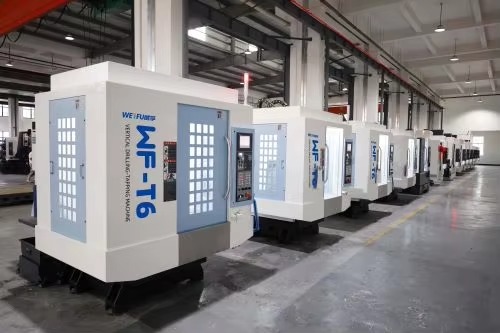
The vertical bridge machining center represents a transformative technology for aerospace and automotive manufacturers seeking uncompromising precision and throughput. A vertical bridge design positions the cutting spindle vertically while maintaining a rigid bridge structure that spans the workpiece, enabling manufacturers to perform complex multi-axis operations with exceptional accuracy. In high-stakes industries where tolerances measure in microns and part quality directly impacts safety and performance, the vertical bridge machining center has become the gold standard for heavy-duty production environments.
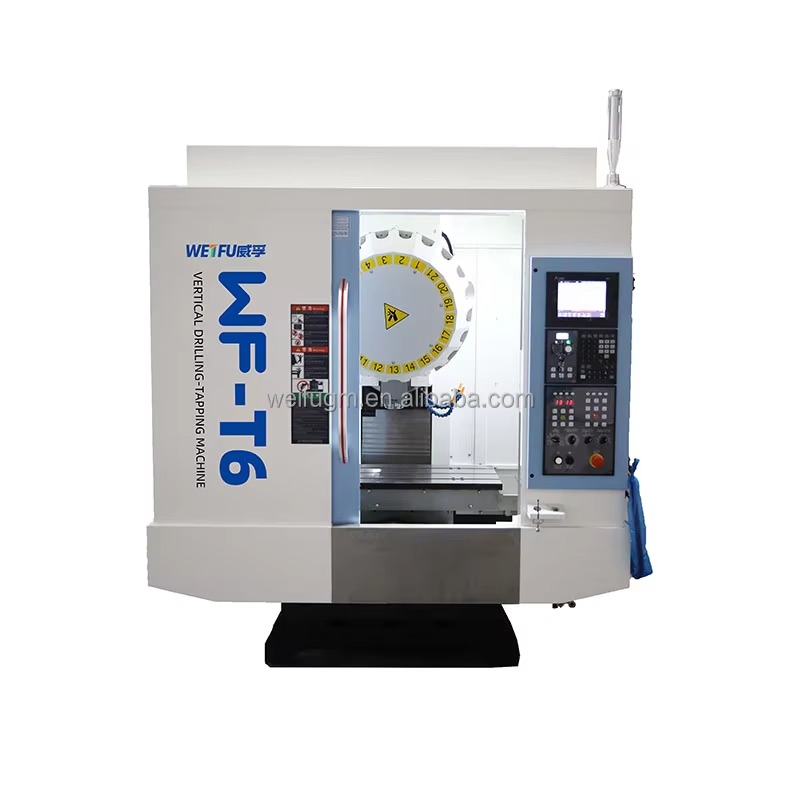
Understanding why manufacturers prioritize the vertical bridge machining center requires examining how this configuration overcomes traditional limitations in rigid part manufacturing. The bridge structure itself functions as a massive cantilever support system, distributing cutting forces across a stable platform rather than concentrating them on a spindle head. This engineering advantage translates directly into superior surface finishes, reduced tool wear, and dramatically improved spindle life—factors that drive profitability in capital-intensive manufacturing facilities.
Superior Rigidity and Precision Performance
How Bridge Architecture Delivers Accuracy
A vertical bridge machining center achieves its legendary precision through fundamental design principles that conventional vertical machines cannot match. The bridge spans horizontally across the work envelope, and the spindle assembly moves along the bridge's length while the table position adjusts beneath it. This configuration means cutting forces transfer through the massive bridge structure directly into the machine base, eliminating the deflection that occurs when a spindle head cantilevered from a single support column must absorb heavy cutting loads. The vertical bridge machining center maintains tighter geometric relationships between the spindle axis and the workpiece, which is critical when machining aluminum aircraft fuselage sections or cast iron engine blocks where dimensional consistency determines assembly fit.
Thermal Stability and Long-Term Accuracy
Precision extends beyond initial accuracy to include thermal behavior over extended production runs. A vertical bridge machining center distributes heat more evenly across its massive casting structure compared to lighter machines, preventing the localized thermal distortion that degrades positional repeatability. Aerospace manufacturers particularly value this stability because they must hold tolerances on critical dimensions throughout entire production batches without mid-shift recalibration. The thermal mass of a vertical bridge machining center, combined with precision coolant systems, maintains spindle temperature within tenths of a degree, ensuring that the 500th part matches the dimensional profile of the first part cut that morning.
Increased Throughput and Production Economics
Faster Cycle Times Through Efficiency
The vertical bridge machining center architecture enables rapid material removal rates that compress production schedules while maintaining quality. Because the bridge structure absorbs cutting forces rather than deflecting under them, spindle speeds and feed rates can be pushed significantly higher than conventional machines without sacrificing accuracy or tool life. Automotive suppliers machining complex cylinder heads or transmission casings benefit tremendously—a vertical bridge machining center can complete parts that would require extended cycles on lighter machines. The combination of higher cutting parameters and reduced tool breakage means fewer unplanned downtime events and more productive machine hours per shift.
Tool Life and Reduced Changeover Time
Extended tool life directly improves the economics of owning a vertical bridge machining center. When the spindle remains geometrically stable throughout the cut and thermal conditions remain consistent, cutting tools experience predictable wear patterns instead of stress fractures caused by chatter or deflection. This means tool changeout intervals stretch longer, reducing both parts inventory and the setup disruption each tool change introduces. A vertical bridge machining center operating with optimized tooling can reduce tool changeover events by thirty to fifty percent compared to conventional machines, translating into measurable cost savings across production batches numbering hundreds or thousands of parts.
Aerospace and Automotive Application Excellence
Meeting Aerospace Quality and Traceability Standards
Aerospace manufacturers depend on the vertical bridge machining center because this equipment directly supports compliance with AS9100 quality standards and other critical aerospace requirements. The dimensional consistency inherent in vertical bridge machining center operations means first-pass quality rates remain high, reducing scrap and rework. Complex components like landing gear brackets, wing root fairings, and fuselage panels often require multiple setups to complete, and the vertical bridge machining center's rigid geometry ensures that dimensions remain valid across extended machining sequences. When military or commercial aerospace programs demand traceability documentation showing that every dimension remained within specification throughout production, the vertical bridge machining center's stable performance creates an audit trail that demonstrates control.
Automotive Production and Engine Component Precision
Automotive manufacturers specify vertical bridge machining centers for engine block and cylinder head production where tight dimensional tolerances directly impact vehicle performance and emissions compliance. A vertical bridge machining center can machine complex multi-cavity engine blocks in single operations, reducing setups and potential dimensional variation. Turbocharged engine blocks, diesel cylinder heads, and transmission casings all benefit from the superior surface finish and dimensional repeatability that a vertical bridge machining center provides. When automotive production volumes reach hundreds of thousands of units annually, even tiny improvements in quality consistency translate into millions of dollars in reduced warranty costs and manufacturing waste.
FAQ
What distinguishes a vertical bridge machining center from a standard vertical machining center?
A vertical bridge machining center features a horizontal bridge structure spanning the work area with the spindle assembly positioned vertically and moving along the bridge length. This configuration means cutting forces transfer through the massive bridge into the machine base, creating superior rigidity. Standard vertical machines mount the spindle on a column above the table, which acts as a cantilevered beam that can deflect under heavy loads. The vertical bridge machining center architecture eliminates this deflection, enabling higher precision, faster feeds, and extended tool life—advantages that justify the substantial capital investment for manufacturers requiring exceptional accuracy.
Can a vertical bridge machining center handle both aerospace aluminum and cast iron automotive components?
Yes, a vertical bridge machining center excels at machining both materials through its exceptional rigidity and thermal stability. Aluminum aerospace components like fuselage panels and engine accessories benefit from the vertical bridge machining center's ability to maintain tight tolerances through extended cutting sequences. Cast iron automotive blocks and heads gain from the vertical bridge machining center's capacity to absorb heavy interrupted cuts without chatter or surface finish degradation. The same machine can transition between materials and part geometries simply by changing tooling and cutting parameters, making vertical bridge machining centers economically practical for facilities producing diverse components across multiple industries.
What role does coolant management play in vertical bridge machining center performance?
Precision coolant delivery systems work synergistically with the vertical bridge machining center's thermal mass to maintain spindle and work envelope temperatures within strict limits. Advanced through-spindle coolant systems deliver cutting fluid directly to the tool-chip interface, improving thermal control and enabling higher cutting speeds. A vertical bridge machining center's cooling capacity, combined with precision spindle bearing systems and thermal compensation algorithms in modern CNC controls, maintains positional accuracy across multi-hour production runs. The investment in quality coolant filtration and spindle cooling systems amplifies the precision advantages that the vertical bridge machining center architecture provides, ensuring that thermal drift remains negligible even during extended production campaigns.

