
 EN
EN
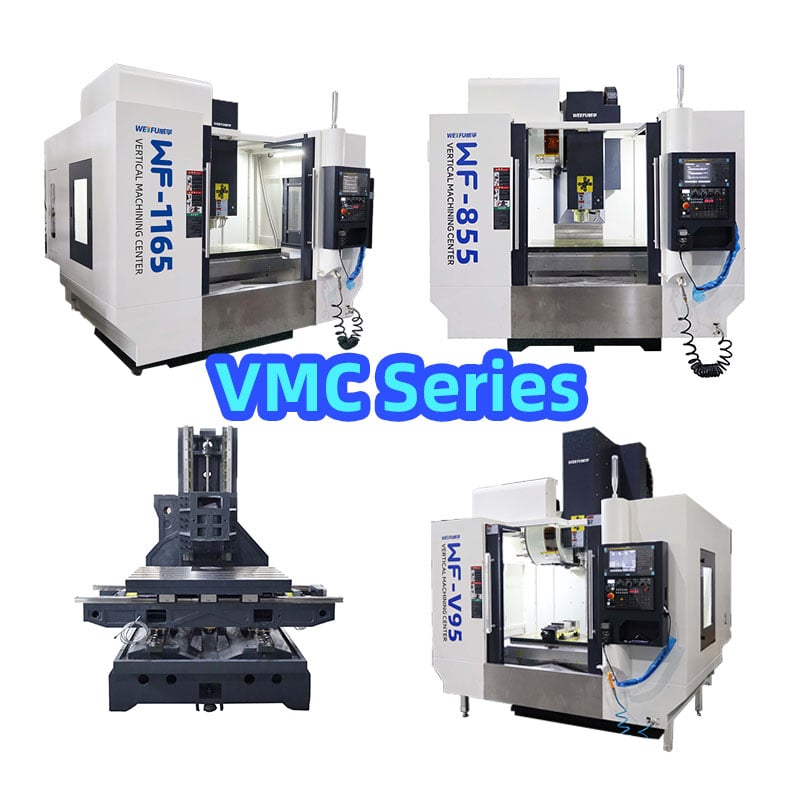
A vertical bridge milling machine represents one of the most versatile and robust solutions for high-precision industrial manufacturing. Whether you're machining large aerospace components, automotive structures, or heavy industrial parts, a vertical bridge configuration offers exceptional rigidity, accuracy, and production capacity that smaller machines simply cannot match. Understanding the capabilities and design principles of a vertical bridge milling machine is essential for manufacturers looking to optimize their production workflow and deliver consistent quality at scale.
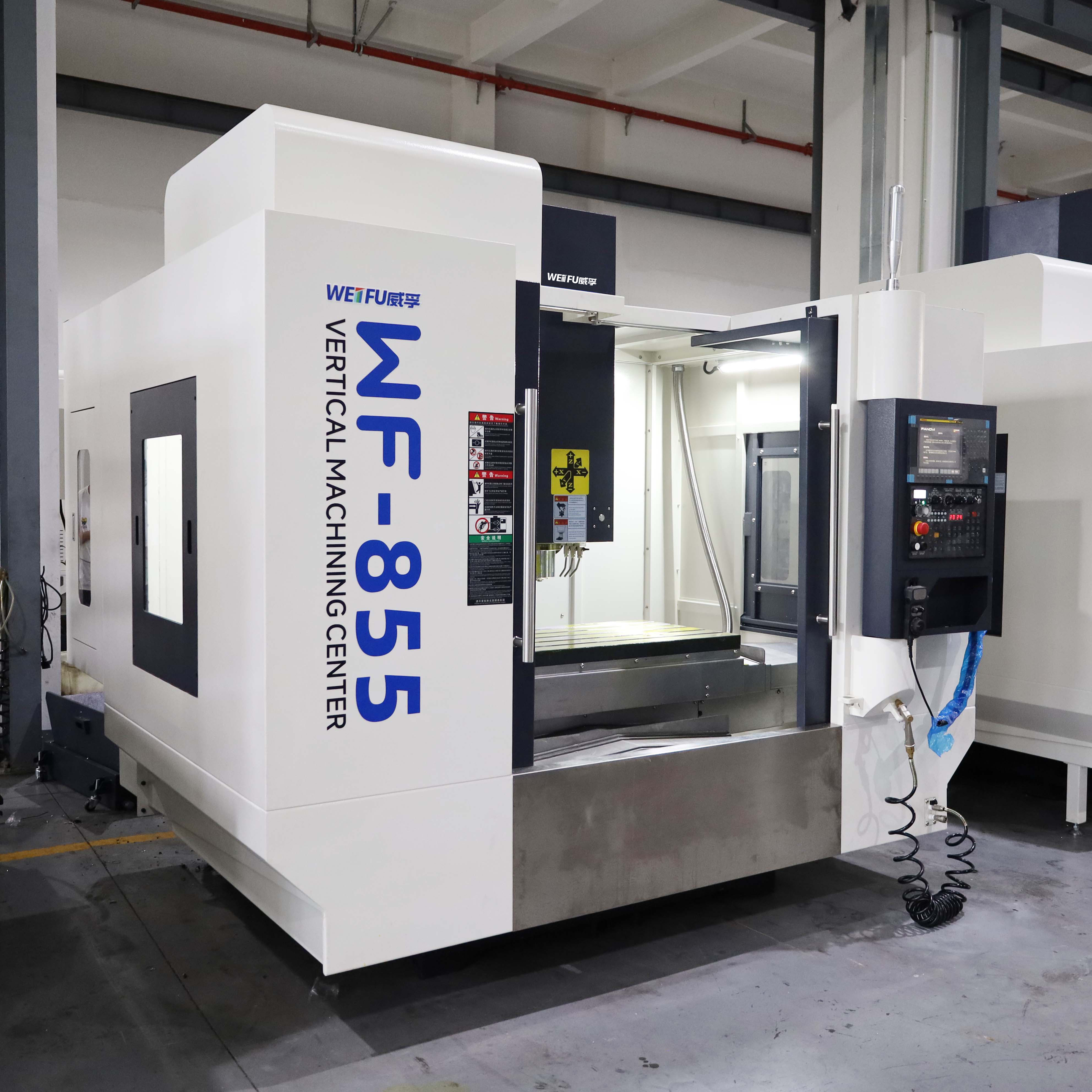
The vertical bridge milling machine has become the industrial standard for operations requiring both heavy cutting forces and fine dimensional tolerances. Unlike smaller vertical mills, a vertical bridge machine integrates a robust bridge structure that spans the full width of the table, creating a stable platform for massive workpieces. This architecture makes a vertical bridge ideal for batch production, toolroom operations, and job shops where flexibility, reliability, and precision cannot be compromised.
Core Design and Structural Features of Vertical Bridge Machines
Bridge Structure and Load Capacity
The defining characteristic of a vertical bridge milling machine is its substantial bridge framework that spans horizontally across the machine bed. This bridge carries the spindle head and moves vertically along the Y-axis, while the table beneath can move in the X and Z directions, or the workpiece remains stationary and the spindle position adjusts. The vertical bridge configuration creates enormous rigidity because load forces distribute evenly across the full span of the structure. A vertical bridge machine can handle workpieces weighing several tons and withstand cutting forces that would deflect or damage smaller machines. The structural mass of a vertical bridge directly contributes to thermal stability, which is critical for maintaining dimensional accuracy across extended production runs.
Spindle Design and Cutting Performance
Modern vertical bridge milling machines feature high-horsepower spindles capable of aggressive cutting parameters across diverse materials. A vertical bridge spindle typically offers variable speed ranges and often includes integrated cooling systems to manage heat during extended operations. The spindle mounting directly to the rigid bridge structure means vibration dissipates efficiently, enabling superior surface finish and extended tool life. High-precision spindle bearings in a vertical bridge ensure runout remains within tight tolerances, allowing you to hold dimensions consistently across large production quantities. The combination of spindle rigidity and machine mass makes a vertical bridge exceptionally effective for both roughing and finishing operations on the same machine without requiring setup changes.
Operational Advantages and Industrial Application Scope
Precision and Repeatability Standards
A vertical bridge milling machine delivers dimensional consistency that satisfies the most demanding aerospace and automotive specifications. Because the vertical bridge structure carries the cutting loads directly through its massive frame rather than through cantilevered arms, deflection remains minimal even under full cutting force. Thermal compensation systems and precision linear guide systems in modern vertical bridge machines hold tolerances to ±0.0005 inches or better across the working envelope. The repeatability of a vertical bridge makes it ideal for producing complex parts with tight geometric tolerances, especially when combined with CNC automation and real-time feedback control systems.
Production Efficiency and Tool Utilization
The vertical bridge milling machine maximizes tool life and production throughput by maintaining stable cutting conditions throughout the work cycle. Automatic tool changers integrated into vertical bridge systems enable lights-out machining, where multiple parts run sequentially without operator intervention. The rigidity of a vertical bridge means you can select aggressive feeds and speeds without risk of chatter or tool breakage, significantly reducing per-part machining time. A vertical bridge platform also accommodates multiple fixturing setups simultaneously, allowing you to load one part while another finishes, effectively doubling throughput compared to single-spindle machines. For job shops and contract manufacturers, this vertical bridge efficiency directly improves profit margins on high-precision work.
Advanced Features and Integration Capabilities
Automation and Control Integration
Contemporary vertical bridge milling machines integrate seamlessly with modern manufacturing execution systems and Industry 4.0 infrastructure. A vertical bridge equipped with advanced CNC controllers can execute complex multi-axis operations, simultaneous tool paths, and optimized cutting sequences programmed for maximum efficiency. Real-time data collection from the vertical bridge machine provides visibility into cycle times, tool wear rates, and spindle performance, enabling predictive maintenance scheduling. IoT connectivity transforms a vertical bridge into a connected asset that communicates machine status, production metrics, and diagnostic information to enterprise management systems. These digital capabilities make a vertical bridge valuable not just as a production tool but as a data source for continuous process improvement.
Customization and Accessory Options
A vertical bridge milling machine framework accommodates extensive customization to match specific application requirements. Rotary tables, vises with multiple stations, coolant delivery systems, and chip evacuation attachments mount directly to the vertical bridge work surface. Specialized clamping fixtures for oversized or irregular parts integrate into the vertical bridge table area without sacrificing cutting capacity. Advanced probe systems and in-process inspection tools can be incorporated into the vertical bridge spindle head to verify dimensions during the machining cycle, eliminating the need for secondary inspection operations. This modularity means a single vertical bridge investment scales across diverse product lines and production scenarios.
FAQ
What industries benefit most from vertical bridge milling machines?
Aerospace, automotive, defense, energy, and heavy equipment manufacturing rely on vertical bridge machines for high-precision production. Any industry requiring consistent dimensional accuracy on large workpieces, from jet engine housings to transmission cases, finds the vertical bridge architecture indispensable. Medical device manufacturers and tool and die shops also frequently deploy vertical bridge systems because the machine's precision supports complex geometry and tight tolerances essential to their products.
How does a vertical bridge differ from a standard knee-type vertical mill?
A standard knee mill features a vertically adjustable table supported by a column, which limits load capacity and rigidity. A vertical bridge spans the full width of the machine bed and carries the spindle head, distributing forces across the entire structure. This vertical bridge design eliminates the cantilevered deflection inherent in knee mills, delivering superior accuracy and enabling much heavier cutting forces and larger workpieces.
Can a vertical bridge milling machine handle multi-axis operations?
Yes, modern vertical bridge systems integrate rotary tables and advanced CNC controllers that enable simultaneous multi-axis machining. A vertical bridge foundation provides the rigidity necessary to execute complex angular cuts, simultaneous contouring, and high-precision indexing operations that would cause deflection or chatter on lighter machine platforms.

