
 EN
EN
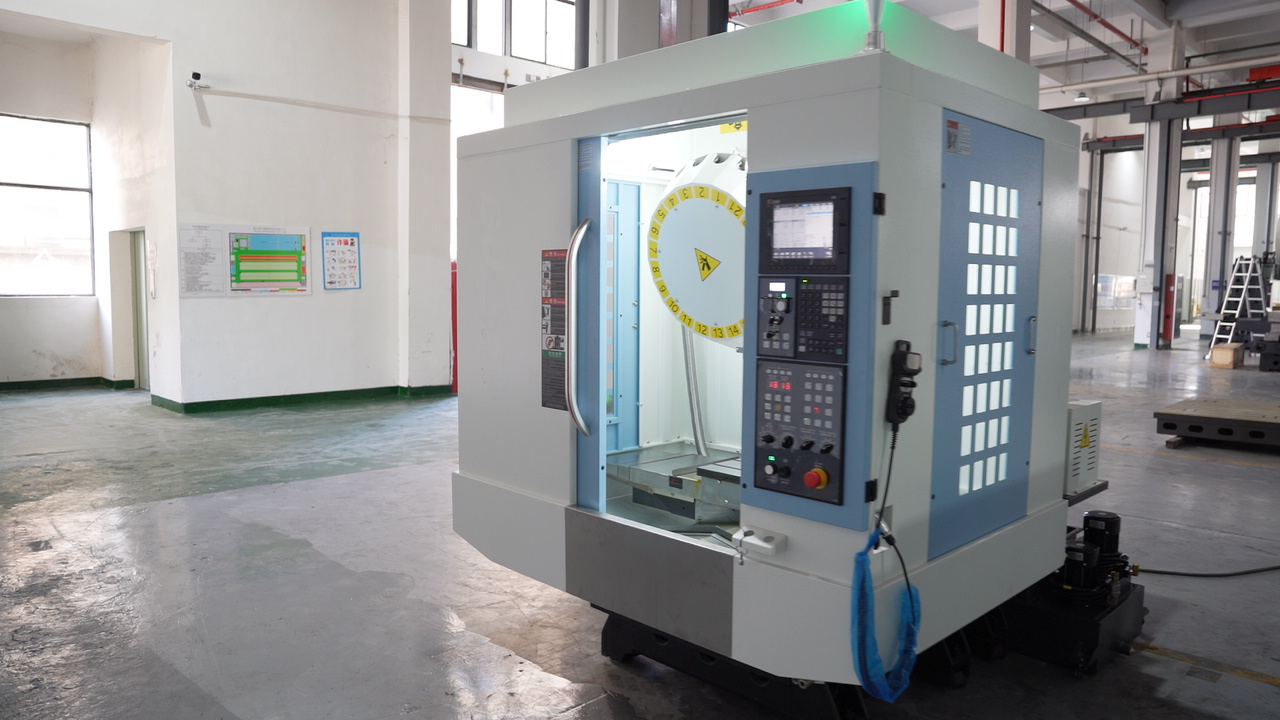
The vertical bridge represents a transformative technology in modern metalworking, enabling manufacturers to achieve unprecedented precision and throughput in complex component production. A vertical bridge machine combines rigid structural design with advanced spindle technology to deliver exceptional accuracy across high-volume and specialized machining applications. For industrial operations seeking to enhance productivity while maintaining tight tolerances, understanding the capabilities and strategic advantages of a vertical bridge becomes essential to competitive success.
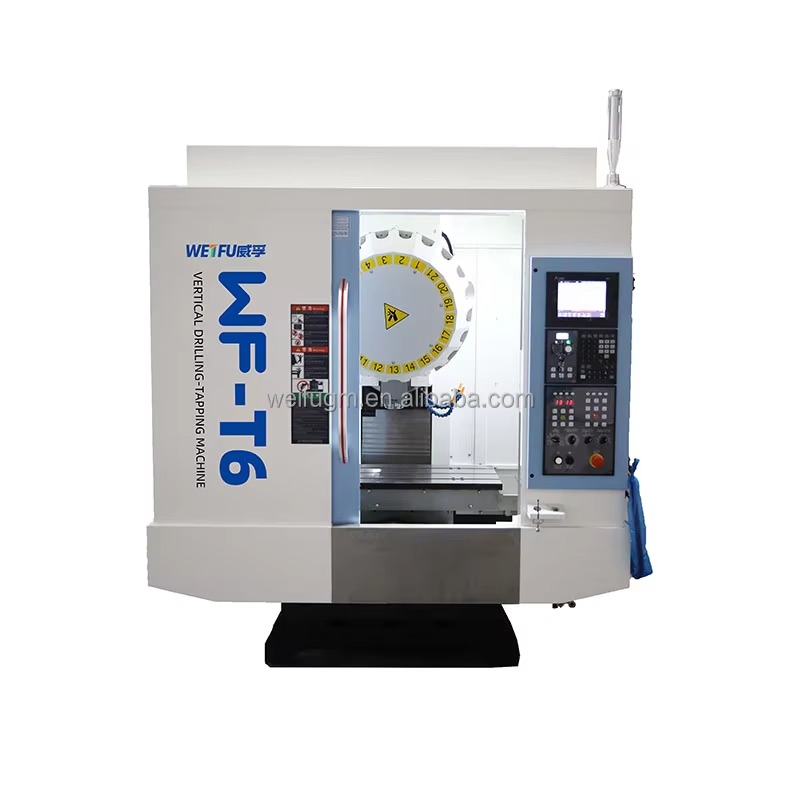
A vertical bridge machine integrates cutting-edge engineering principles to address the demanding requirements of contemporary manufacturing. The design focuses on minimizing deflection, maximizing rigidity, and enabling rapid tool changes, all while maintaining the structural integrity necessary for heavy-duty metalworking. By selecting an advanced vertical bridge system, manufacturers gain access to capabilities that significantly reduce cycle times, improve surface finish quality, and extend tool life across diverse materials and geometries.
Core Structural Advantages of Vertical Bridge Design
Rigidity and Precision in Heavy-Duty Operations
The vertical bridge architecture provides exceptional rigidity through its cantilever-free design and robust base construction. Unlike traditional configurations, a vertical bridge eliminates excessive overhang, resulting in minimal vibration and improved dynamic stability during demanding cutting operations. This structural integrity enables the vertical bridge to maintain dimensional accuracy even when processing hard materials such as cast iron, steel alloys, and exotic composites. Manufacturers benefit from tighter tolerance capabilities, reduced scrap rates, and consistent part quality across extended production runs. The rigid platform also supports higher spindle speeds and cutting forces, making the vertical bridge ideal for aggressive metalworking processes.
Thermal Stability and Compensation Systems
Temperature fluctuations present a critical challenge in precision machining, and the vertical bridge addresses this through advanced thermal management. Modern vertical bridge systems incorporate automatic temperature compensation, coolant circulation optimization, and structural materials selected for minimal thermal expansion. The vertical bridge maintains consistent accuracy throughout extended shifts by actively monitoring and adjusting thermal effects on axis positioning. This thermal compensation capability ensures that parts machined early in production maintain identical dimensional characteristics to those completed hours later, crucial for industries requiring high-volume consistency in aerospace, medical device, and automotive sectors.
Operational Efficiency and Productivity Enhancement
Rapid Tool Changes and Minimized Non-Cutting Time
Productivity directly correlates with reducing non-cutting time, and a vertical bridge excels through integrated automated tool management systems. Advanced vertical bridge models feature carousel tool changers capable of executing tool swaps in under six seconds, dramatically reducing idle periods between operations. The vertical bridge design allows tooling systems to be positioned for rapid access, and integrated verification ensures dimensional accuracy immediately after tool installation. These efficiency gains compound significantly in batch and production environments, where a vertical bridge can complete more parts per shift than conventional machines. The faster tool changeover translates directly to improved machine utilization rates and reduced manufacturing cost per component.
Multi-Axis Capability and Complex Geometries
Contemporary vertical bridge machines deliver five-axis and continuous-path capabilities, enabling manufacturers to machine intricate geometries in single setups. A vertical bridge with advanced CNC control systems eliminates the need for multiple repositioning steps, reducing setup time and improving part quality through reduced fixture-induced errors. The vertical bridge can simultaneously execute complex angular cuts, pockets, and contours while maintaining the rigidity necessary for precision. This multi-axis flexibility makes a vertical bridge particularly valuable for industries producing medical implants, aerospace components, and industrial tooling where design complexity demands sophisticated machining strategies. The ability to complete multi-sided components without remounting saves both time and material waste.
Industrial Applications and Material Processing Versatility
Aerospace and Defense Component Manufacturing
The aerospace industry demands uncompromising precision and reliability, making the vertical bridge an industry standard for critical component production. A vertical bridge enables manufacturers to machine titanium alloys, aluminum structures, and composite materials while maintaining the stringent tolerances required for flight-critical applications. The vertical bridge's thermal stability and rigidity ensure that complex parts like landing gear components, fuselage sections, and engine casings meet aerospace specifications consistently. Defense contractors rely on a vertical bridge to produce precision-engineered parts that withstand extreme operational stress while maintaining exact dimensional consistency. The machine's capability to handle demanding materials and maintain tight tolerances makes a vertical bridge essential for maintaining production schedules in regulated aerospace environments.
Automotive and Heavy Equipment Production
Automotive manufacturing demands high-volume production with exceptional quality control, and a vertical bridge delivers both capabilities efficiently. A vertical bridge supports rapid cycle times necessary for automotive suppliers while maintaining the dimensional consistency critical for assembly line compatibility. Engine blocks, transmission housings, suspension components, and structural elements all benefit from the precision and speed a vertical bridge provides. Heavy equipment manufacturers use a vertical bridge to machine large castings and forgings for excavators, loaders, and industrial machinery, where accuracy and repeatability directly impact equipment performance and longevity. The vertical bridge's capacity to handle large workpieces combined with multi-axis sophistication makes it invaluable for producing the diverse component portfolio required in automotive and heavy equipment sectors.
Medical Device and Precision Instrumentation
Medical device manufacturing requires exceptional cleanliness, material compatibility, and dimensional precision, all strengths of the vertical bridge platform. A vertical bridge equipped with specialized spindles and coolant systems enables production of implants, surgical instruments, and diagnostic equipment components with mirror-finish surface quality. The vertical bridge's precision capabilities allow manufacturers to produce intricate micro-features and complex geometries required for advanced medical devices. The machine's environmental control and thermal stability ensure that delicate materials maintain their structural properties throughout machining. For manufacturers producing implantable devices where tolerance deviations can impact patient outcomes, investing in a vertical bridge represents a commitment to quality that regulators and customers recognize.
Technical Specifications and Modern Feature Integration
Advanced Spindle Technology and Accuracy Standards
Modern vertical bridge machines incorporate spindle technology delivering runout accuracy measured in microns, enabling surface finishes that minimize secondary finishing operations. A vertical bridge equipped with high-frequency spindles supports rapid material removal rates while maintaining the precision necessary for demanding applications. Advanced vertical bridge systems feature spindle bearings selected for minimal thermal growth and maximum durability, extending intervals between maintenance and reducing production disruptions. The vertical bridge's spindle integration with CNC control systems enables adaptive feeds and speeds that optimize cutting performance across varying material conditions. Superior spindle technology embedded in a vertical bridge directly translates to higher-quality parts, faster production cycles, and reduced tool wear across diverse metalworking applications.
CNC Control Systems and Operational Optimization
A vertical bridge's effectiveness depends heavily on its CNC control system, which orchestrates movement, timing, and tool coordination with precision. Modern vertical bridge installations feature advanced CNC platforms offering predictive maintenance alerts, real-time production monitoring, and integration with manufacturing execution systems. The vertical bridge's control architecture enables operators to implement complex machining strategies, simulate tool paths before execution, and achieve rapid program optimization for new parts. Integration capabilities allow a vertical bridge to communicate with factory systems, feeding production data that informs inventory management and quality reporting. The intelligent software layer that controls a vertical bridge has become as important as its mechanical precision, enabling smart factory integration and continuous performance improvement.
FAQ
What makes a vertical bridge superior to horizontal machining centers?
A vertical bridge excels in applications requiring rapid tool changes, complex multi-sided features, and exceptional rigidity for heavy-duty cutting. While horizontal machining centers excel in high-volume production of simpler parts with excellent chip evacuation, a vertical bridge provides superior accuracy, easier setup for complex geometries, and better thermal stability. The vertical bridge's architecture minimizes vibration, enabling tighter tolerances and superior surface finishes. For manufacturers producing aerospace components, medical devices, or complex tooling, a vertical bridge offers capabilities that horizontal machines cannot match economically.
How does a vertical bridge maintain accuracy during extended production runs?
Advanced vertical bridge systems incorporate thermal compensation, precision linear guides with self-adjusting preload, and materials selected for dimensional stability. The vertical bridge's CNC system continuously monitors temperature sensors throughout the machine structure and automatically adjusts axis positioning to counteract thermal growth. Regular maintenance protocols ensure that a vertical bridge's guideways and spindle bearings remain in optimal condition, preventing accuracy drift. Many modern vertical bridge installations include automatic probing systems that verify part dimensions during production, triggering compensations if drift occurs. This combination of design sophistication and active monitoring allows a vertical bridge to maintain micron-level accuracy across entire shifts and multi-day production campaigns.
What industries benefit most from investing in a vertical bridge machine?
Aerospace, defense, automotive, medical device, and precision instrumentation sectors gain substantial competitive advantages from vertical bridge investments. Industries requiring high-tolerance components, complex geometries, or diverse material processing capabilities find that a vertical bridge delivers superior productivity and quality compared to alternatives. Companies serving regulated industries such as aerospace and medical device manufacturing often find that a vertical bridge enables them to meet stringent compliance requirements more efficiently. Any manufacturer producing complex, precision components in moderate to high volumes should evaluate whether a vertical bridge aligns with their production strategy, as the machine's capabilities often justify the capital investment through quality improvements and cycle time reductions.

