
 EN
EN
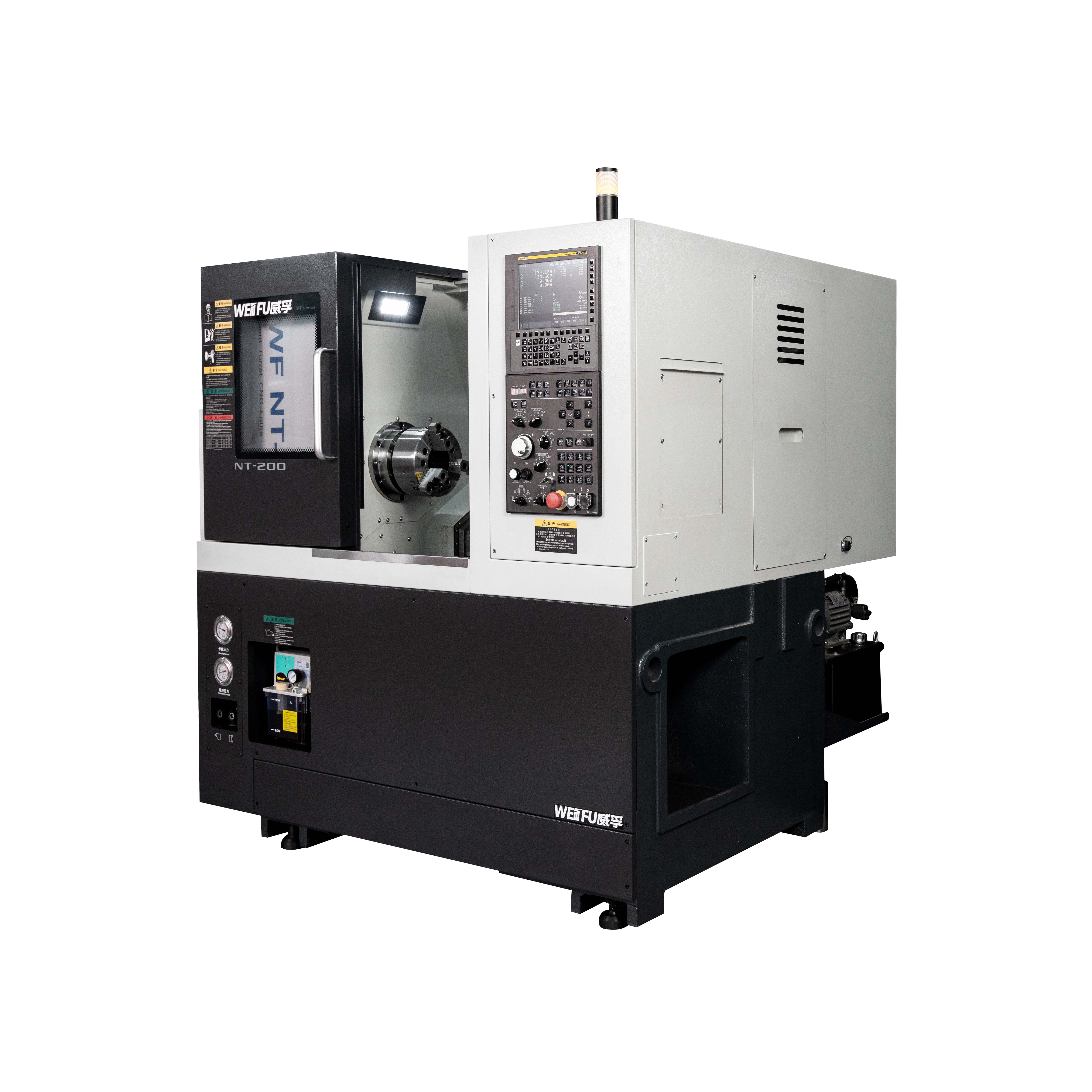
Precision and Consistency: How Drilling Machines Elevate First-Pass Yield
Operational precision directly correlates with reduced scrap rates in manufacturing workflows, where modern drilling machines deliver critical tolerance control.
Tolerance Control: Achieving ±0.01 mm Accuracy with Modern Drilling Machines
Advanced drilling machines achieve positional accuracy within ±0.01 mm through rigid spindle assemblies and thermal compensation systems—minimizing dimensional drift that causes fitment failures in assemblies. Industry benchmarks confirm this level of consistency reduces out-of-spec components by up to 30% compared to conventional drilling, a decisive factor in elevating first-pass yield.
Case Study: Aerospace Manufacturer Cuts Rework by 42% Using CNC Drilling Machines
An aerospace supplier reduced rework by 42% after deploying CNC drilling machines for wing spar components. Precise hole alignment eliminated fastener misalignment issues previously requiring manual correction. Quantified outcomes included 650 hours of annual labor savings and $290k in material waste reduction, underscoring how drilling accuracy drives measurable operational efficiency.
Speed and Automation: Boosting Throughput with Advanced Drilling Machines
Cycle Time Reduction: Multi-Spindle Drilling Machines Deliver Up to 65% Faster Operations
Multi spindle drilling machines can handle several operations at once across different axes, cutting down on cycle times significantly compared to traditional single spindle setups. Some shops report reductions as high as 65%, though actual results vary depending on the application. Take engine block manufacturing as a case in point. What used to need three separate machines running concurrently can now be done by a single operator working with these advanced systems. The automated tool changes and depth control features really cut down on those pesky measurement mistakes that happen when people have to measure manually. Most manufacturers find they maintain around 0.02 mm accuracy consistently without needing constant recalibration or extra staff time for adjustments. This makes a big difference in both quality control and overall productivity.
MES Integration: Real-Time Monitoring and Predictive Maintenance for Drilling Machines
When drilling machines get connected to Manufacturing Execution Systems (MES), they can track performance all the time thanks to those IoT sensors watching for things like vibrations, how much pressure is on the spindle, and temperature changes. The smart algorithms actually predict when drill bits will start wearing out somewhere around 12 to maybe even 18 hours ahead of time. This kind of foresight helps cut down on unexpected stoppages by roughly 40 percent according to some industry reports. Technicians see warnings on their screens whenever something goes off track, so they can jump in and tweak settings while production is still running. For problems that need fixing from afar, engineers look at patterns in torque readings and study how chips form during cutting operations. These insights let them fix alignment problems long before any actual defects show up in the finished products.
Scalable Quality Assurance: Drilling Machines as Enablers of Mass Production Excellence
The latest drilling machines have turned quality checks from a major roadblock into something that actually helps scale production. These machines handle all the precision work automatically, keeping everything within about 0.13 mm tolerance even when running thousands of parts straight through without breaks. This cuts down on those annoying defects that used to pop up when humans were involved, especially after long production shifts. According to research published in the Industrial Equipment Journal last year, factories that switched to these automated systems saw their quality problems drop by nearly 37%, and they could crank out more products at the same time. What makes this possible? Sensors built right into the machines constantly monitor how worn down tools get and track dimensions as things happen. All this information goes directly into SPC systems which can adjust settings on the fly before small issues become big problems. Instead of just catching mistakes after they happen, companies now build quality right into the process itself. This means mass producing goods isn't some second rate option anymore but actually gives businesses a real competitive edge.
Total Cost Optimization: Lowering Labor, Waste, and Downtime with Drilling Machines
Modern drilling machines deliver comprehensive cost reductions across labor, material waste, and unplanned downtime—translating automation into leaner budgets and stronger margins.
Labor Efficiency: One Operator Overseeing Multiple Drilling Machine Stations
With automated drilling systems in place, one tech can handle anywhere from three to five workstations all at once through central controls and live monitoring screens. The shift really brings down the need for hands-on labor, cutting it by as much as sixty percent when compared to old school methods. Take Ford's main parts supplier for instance—they saw their labor bills drop by nearly 37% once they set up these multi-station drilling setups. Now workers spend most of their time checking product quality and dealing with problems instead of actually running the machines themselves. Plus, having standard control panels across different stations means new hires pick things up faster without getting lost in complicated procedures.
Material and Tool Savings: Extended Drill Bit Life and Integrated Chip Management
Drill bits last around 40 to 50 percent longer when smart cooling systems work alongside adaptive torque controls. The precision of flute design combined with properly set feed rates keeps bits from wearing out too soon. Modern machines now come with built-in chip management systems that sweep away metal scraps as they form. This cuts down on wasted materials by roughly 18 percent and stops those expensive jam situations from happening. For most shops, these improvements translate to saving about twelve grand each year on replacement tools per machine. What's more, enclosed cutting areas trap nearly all the tiny metal particles flying around during operation. Instead of becoming hazardous waste, these captured particles get sent back for recycling, turning something that would otherwise go to landfill into actual cash flow for manufacturers.
| Cost Reduction Area | Traditional Process | Automated Drilling | Improvement |
|---|---|---|---|
| Labor Requirements | 3 operators/station | 1 operator/3 stations | 67% reduction |
| Drill Bit Replacement | Every 500 cycles | Every 750–800 cycles | 50%+ lifespan increase |
| Material Scrap Rate | 12–15% | 4–7% | 60% waste reduction |
FAQ
What is first-pass yield in manufacturing?
First-pass yield refers to the percentage of products that meet quality standards and specifications without needing any rework or repair. Achieving a high first-pass yield is a critical goal in manufacturing as it indicates efficiency and reduces production costs.
How do modern drilling machines improve tolerance control?
Modern drilling machines improve tolerance control by deploying rigid spindle assemblies and thermal compensation systems, which help in maintaining positional accuracy and minimizing dimensional drift that can result in assembly fitment issues.
What are the benefits of integrating drilling machines with MES?
Integrating drilling machines with Manufacturing Execution Systems (MES) allows for real-time monitoring and predictive maintenance. These systems can track numerous performance aspects and forecast issues such as tool wear, leading to reduced downtime and increased productivity.
Table of Contents
- Precision and Consistency: How Drilling Machines Elevate First-Pass Yield
- Speed and Automation: Boosting Throughput with Advanced Drilling Machines
- Scalable Quality Assurance: Drilling Machines as Enablers of Mass Production Excellence
- Total Cost Optimization: Lowering Labor, Waste, and Downtime with Drilling Machines
- FAQ

