
 EN
EN
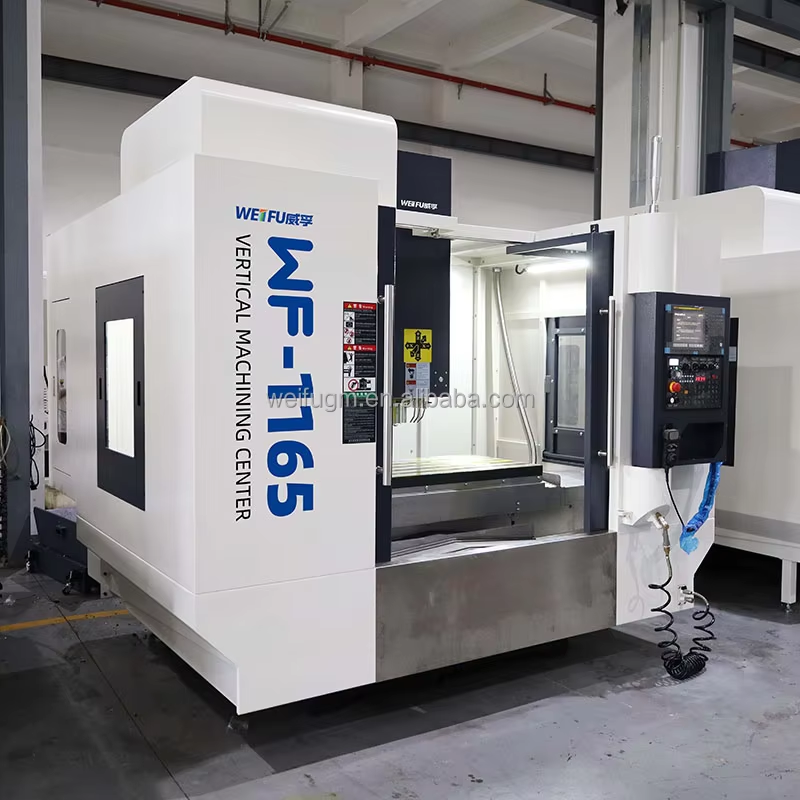
Power and Performance: Matching Motor Specifications to Your Drilling Needs
Horsepower, RPM Range, and Quill Travel for Material-Specific Efficiency
When picking out a drilling machine, it's important to match the motor specs with what kind of materials will be worked on. The horsepower matters a lot for getting through different stuff. Machines with at least 1.5 HP can tackle tough alloys and thick composite materials, but something around 0.75 HP works just fine for softer woods and thin sheet metal jobs. The RPM setting also plays a big role. For clean cuts in wood and plastic work, look for drills that go over 3,000 RPM. But when working with metals like steel or titanium, slower speeds between 600 to 1,200 RPM help keep the bits from wearing down too fast. Another thing to consider is quill travel, which basically means how far the spindle can move up and down. A 5 inch range handles most structural composites and castings, while 3 inches is usually enough for regular sheet metal and PCB drilling tasks. Getting this wrong leads to faster tool wear and all sorts of problems like splintering or parts breaking apart during drilling. Many top brands are starting to include digital RPM displays these days, making it much easier to adjust settings while actually using the machine.
Torque Consistency, Chuck Runout, and Swing Capacity Under Load
Maintaining consistent torque is essential for keeping rotational force steady when drilling through tough materials. Industrial grade brushless motors can handle around 150 Nm of torque without losing power, which matters a lot when working with concrete surfaces, thick wood pieces, or complex layered materials used in aerospace applications. The chuck runout refers to how much the drill bit wobbles side to side, and it needs to stay below 0.03 millimeters to avoid creating oval shaped holes and wearing out bits faster than expected. Swing capacity basically means the space between the machine's central column and where the drill spins, so this measurement has to match what kind of parts are being worked on.
| Material Thickness | Minimum Swing Capacity |
|---|---|
| ≤ 4 inches | 8 inches |
| 4–8 inches | 12 inches |
| > 8 inches | 16+ inches |
Inadequate swing capacity overloads motor bearings and column rigidity; excessive runout compounds alignment errors across multiple holes. Prioritize models with double-sealed chucks and reinforced cast-iron columns for long-term dimensional stability.
Precision Control: Speed, Feed, and Alignment Features for Reliable Drilling Machine Accuracy
Variable Speed Settings for Steel, Aluminum, Composites, and Hardened Alloys
The speed at which tools rotate has a major effect on how long they last and the quality of the finished product. For steel work, keeping speeds below 250 RPM is generally recommended. When working with harder alloys, things get even trickier since these materials need to stay under 150 RPM to avoid heat damage. Going past 180 RPM can really shorten tool life, according to research published in the Machining Science Journal last year, actually increasing failure rates by almost two thirds. Aluminum tells a different story altogether though. These materials actually perform better when spun at least 1,200 RPM to prevent surface issues. Composite materials fall somewhere in between, typically doing their best work around 800 to 1,000 RPM range where delamination and fraying problems tend to disappear. Modern machines equipped with digital speed controls let operators adjust settings on the fly, while preset programs help maintain consistency throughout entire production batches.
Laser Alignment, Depth Stop, and Integrated Lighting for Repeatable Results
The precision features actually tackle what goes wrong at the source when parts don't align properly something that accounts for around 34 percent of all drilling errors. With laser crosshairs projecting where holes should go on materials, there's only about half a millimeter of drift from target points. This kind of accuracy matters a lot for things like car engines or airplane parts where tolerances are really tight. The built in LED lights help see those dark spots better too, which cuts down alignment problems by roughly 40%. Depth stops that can be adjusted in tiny steps of just 0.05 mm ensure every hole is drilled to exactly the right depth so screws fit properly and everything stacks together correctly. Add an anti vibration base to the mix and most shops report getting within plus or minus 0.1 mm accuracy on nearly all their jobs according to data from Precision Engineering Council last year.
Safety, Ergonomics, and Compliance in Modern Drilling Machine Design
Emergency Stop, Guarding, and ISO 13857 Compliance for Workplace Safety
When companies integrate solid safety measures into their equipment, they see fewer accidents while keeping production levels steady. The emergency stop system can halt operations almost instantly when something gets stuck or starts kicking back, which matters a lot for heavy duty tasks such as drilling through structural steel. Guarding around machines keeps spinning parts contained and stops flying metal scraps from causing harm during those tough alloy jobs. Following the ISO 13857:2019 guidelines means manufacturers have checked off proper spacing between guards, tested how strong they need to be, and made sure there's no risk of getting caught in moving parts even when the machine is working hard. Better ergonomics matter too. Handles that absorb vibrations, workstations that adjust to different heights, and controls placed where operators can reach them easily all help workers stay comfortable longer and avoid those nagging repetitive strain issues. Putting all these elements together cuts down on workplace injuries by roughly 40 percent across factories and workshops, and best part is productivity doesn't drop because of it.
Drilling Machine Type and Structural Suitability: Benchtop, Radial, Vertical, and Magnetic Options
Picking out the correct drilling machine setup really comes down to what kind of structures need drilling, how much space is available, and whether the workpieces can be moved around easily. Benchtop models are great for tight spaces where precision matters most, especially when working on electronic components, doing small runs of parts, or fixing things up in maintenance shops. Radial drills shine in big fabrication jobs because those rotating arms and extendable quills let workers reach different angles on steel beams and thick metal plates. These machines become absolutely essential when erecting steel structures on construction sites. Vertical drilling machines sit on the floor and handle medium to heavy duty work without wobbling, giving consistent results whether drilling into iron or aluminum. For jobs that require moving from place to place or drilling upside down, magnetic base drills are the way to go. They stick firmly to metal surfaces using electromagnets, so they stay put even in awkward spots. While each machine addresses specific problems, none works perfectly everywhere, which is why understanding their strengths helps choose the right tool for the job at hand.
Durability and Innovation: Battery Life, Cooling, and Smart Features in Cordless Drilling Machines
Battery Runtime, Thermal Management, and Digital Display Integration
Today's cordless drills rely on those dense lithium-ion packs that give them longer run times between charges and let workers keep going through an entire shift without stopping. The way these tools handle heat is pretty smart too. They've got special air channels built in, plus housing materials that help dissipate heat, along with some kind of battery brain system that stops things from getting too hot when used all day long. This actually saves about 20% more energy than older brushed motor models, which makes sense when thinking about what happens over time. Most modern units come with screens showing how much charge remains, what torque level they're at, and even temperature warnings so users can tweak their approach before the drill starts losing power. Keep those batteries stored somewhere not too warm or damp and they'll last roughly twice as long as if left in bad conditions. And don't forget the brushless motors inside these tools reduce friction significantly, meaning the torque stays steady even when pushing against tough materials, which explains why these drills tend to outlast their competitors in real world situations.
FAQ
What is the importance of horsepower in drilling machines?
Horsepower is vital for drilling through various materials. Machines with at least 1.5 HP can handle tough alloys and thick composite materials, while 0.75 HP is sufficient for softer woods and thin sheet metals.
What RPM settings are optimal for different materials?
For clean cuts in wood and plastic, look for drills that exceed 3,000 RPM. Metals such as steel or titanium require slower speeds between 600 to 1,200 RPM to prevent rapid bit wear.
How does chuck runout affect drilling?
Chuck runout measures how much a drill bit wobbles. Keeping runout under 0.03 mm is essential to avoid oval-shaped holes and reduced bit lifespan.
What are the advantages of modern precision control features?
Modern drills come with features like laser alignment, depth stop, and integrated lighting, which improve accuracy by reducing errors in alignment and maintaining consistent hole depth.
Why are ergonomics and safety important in drilling machine design?
Incorporating ergonomics and safety features like emergency stops and appropriate guarding can reduce workplace accidents by approximately 40% while maintaining productivity.
Table of Contents
- Power and Performance: Matching Motor Specifications to Your Drilling Needs
- Precision Control: Speed, Feed, and Alignment Features for Reliable Drilling Machine Accuracy
- Safety, Ergonomics, and Compliance in Modern Drilling Machine Design
- Drilling Machine Type and Structural Suitability: Benchtop, Radial, Vertical, and Magnetic Options
- Durability and Innovation: Battery Life, Cooling, and Smart Features in Cordless Drilling Machines
- FAQ

