
 EN
EN
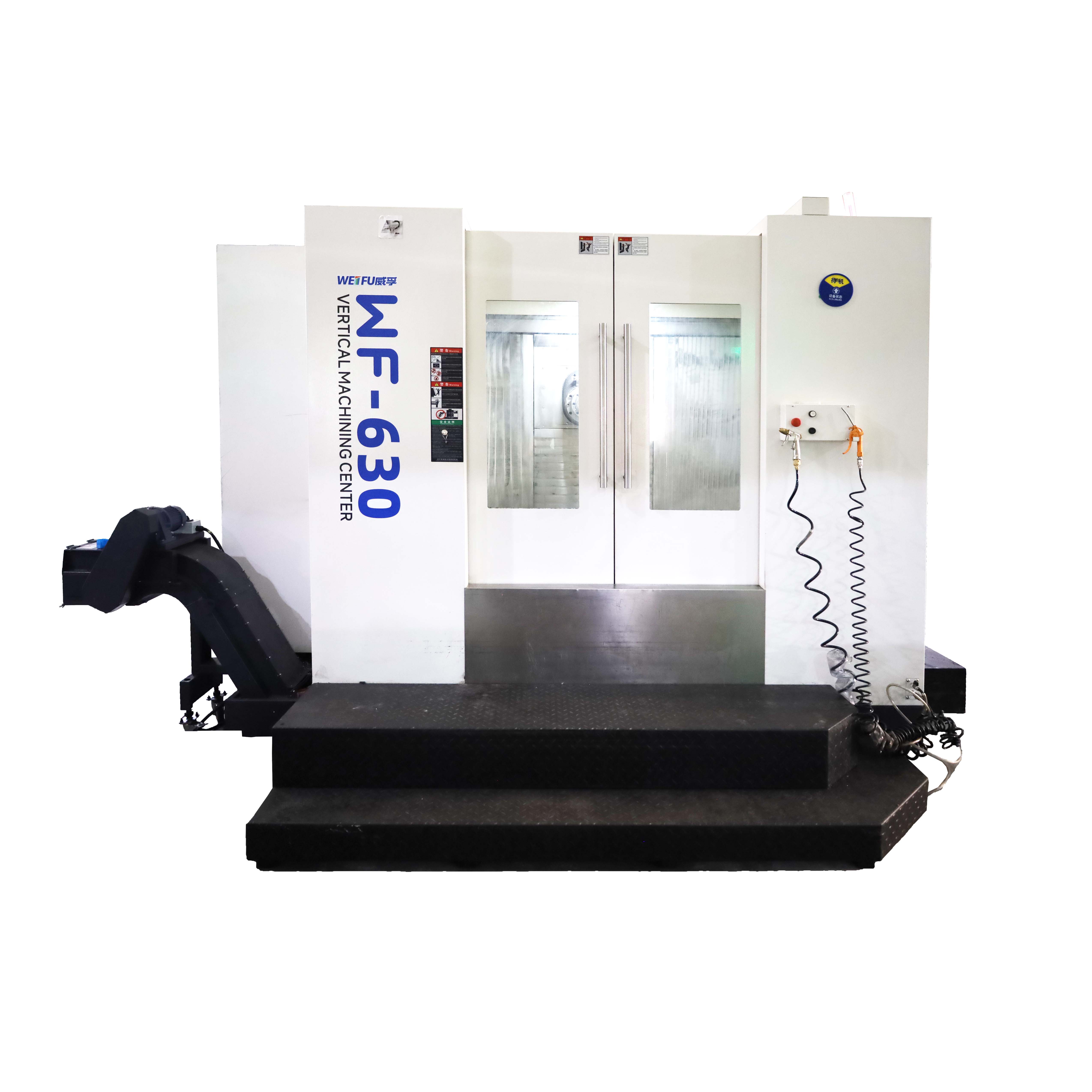
How a Drilling Machine Achieves Precision Hole Making
Rotational force, feed control, and axial rigidity: the triad of dimensional accuracy
When it comes to making precise holes, there are really three main things that work together: keeping the rotation steady, controlling how fast the tool feeds into the material, and having strong structural support along the axis. Getting the right balance between spindle speed measured in RPMs and feed rates in millimeters per revolution helps keep tools from bending out of shape while also letting chips clear away properly. This matters a lot for getting good surface finishes and consistent dimensions whether working with soft metals like aluminum or tough stuff like hardened steel. The frame's ability to resist vibration plays a big role too. Machines built with solid frames and proper damping systems cut down on those annoying little shakes that throw off measurements. Tests show this can reduce error rates by somewhere around 60%, though results do vary depending on setup and maintenance. All these elements combined mean manufacturers can produce holes that stay within about plus or minus 0.02 mm of their target size even when production conditions change throughout the day.
Critical components—spindle, chuck, table, and base—and their role in minimizing runout and deflection
Four core components directly govern positional fidelity:
- Spindles with −0.003 mm runout ensure tool concentricity and minimize cutting-force asymmetry
- Precision chucks reduce radial deviation by up to 70% versus standard models, improving repeatability
- Vibration-damped tables absorb machining harmonics that otherwise propagate into workpiece distortion
- Granite-epoxy bases deliver exceptional thermal stability (±1 μm/°C), mitigating expansion-induced alignment shifts
Proper fixturing on rigid bases cuts workpiece deflection by 45%, while thermally stabilized spindles counteract expansion errors during extended cycles—key for maintaining tight tolerances in high-precision applications.
Selecting the Right Drilling Machine for Your Precision Requirements
Radial, upright, and CNC drilling machines: tolerance capabilities (±0.01 mm to ±0.05 mm) and use-case alignment
Different types of drilling machines bring varying levels of precision to the table depending on what needs to get done in manufacturing shops. CNC drilling systems can achieve incredibly tight tolerances around plus or minus 0.01 millimeters thanks to their automated programming capabilities. These machines are practically indispensable when it comes to creating those tiny holes needed for airplane parts, medical devices, and even semiconductor packages where every fraction matters. For jobs that aren't quite so demanding but still require good accuracy, upright drills usually hit around 0.03 mm tolerance range. They work well enough for things like drilling into engine blocks or fabricating gear housings where absolute perfection isn't absolutely necessary. Radial drilling machines offer something different altogether. Their main advantage lies in being able to reach all sorts of awkward angles on big components, though they generally maintain about 0.05 mm accuracy. This works fine for connecting structural steel pieces together but falls short when working on microscopic machining projects. Getting the right match between machine specs and actual job requirements saves money in the long run and keeps quality issues at bay.
Drill press vs. deep-hole drilling machine: when depth-to-diameter ratio and straightness dictate the choice
The shape of a hole matters far more than just its size when choosing the right equipment. Regular drill presses can keep holes reasonably straight only when the depth compared to diameter (D:d) stays under about 10:1. These work fine for things like woodshop jigs or basic metal projects around the shop. But problems arise when we need deeper holes relative to their width. Think about those long bores inside hydraulic cylinders, the inner walls of gun barrels, or even tiny cooling passages in turbine blades. That's where deep hole drilling machines come into play. With special guiding systems, powerful coolant feeds, and extra support structures, these machines handle ratios over 30:1 while keeping straightness within roughly 0.1 mm every 300 mm run and angle deviations no worse than half a degree either way. For parts that carry fluids or spin at high speeds, getting this kind of precision isn't optional—it's absolutely essential for proper function and safety.
Key Operational Factors That Compromise or Enhance Drilling Machine Accuracy
Workpiece fixturing, toolholder concentricity, and thermal stability—measurable impacts on positional deviation
When it comes to getting accurate holes, three main factors stand out: how the workpiece is held in place, the concentricity of the toolholder, and managing heat during operation. Workpieces that aren't properly secured tend to vibrate more, which can actually move the position of the hole by as much as 0.1 mm. But when manufacturers invest in good clamping systems, they typically see about a 60% reduction in this problem. Even small issues with toolholder concentricity matter a lot. If the spindle has runout above 0.005 mm, it creates uneven forces that lead to bigger variations in hole size and rougher surfaces. Heat is another big concern for machinists. Just a 10 degree Celsius increase in spindle temperature can throw off alignment between 0.03 and 0.08 mm because materials expand differently when warm. That's why many shops now use precision ground toolholders that keep concentricity under 0.001 mm, along with cooling systems for spindles. These improvements help maintain around +/- 0.02 mm accuracy throughout long production runs. Getting these basics right makes all the difference between machines that consistently produce quality parts or ones where errors build up hole after hole.
Modern Advancements Reinforcing Drilling Machine Precision
Getting down to the micron level of consistency has really pushed engineers to come up with new ideas in how drilling machines are built and controlled. Automated systems take out all those little variations because robots can position themselves exactly where they need to be, and their motion systems repeat movements within fractions of a micron. The machines now have sensors all over them watching things like how much the spindle vibrates, what kind of force is being applied during cutting, and how temperature changes happen in real time. All this information gets sent to smart controllers that tweak the feed rate and speed while the machine is actually working so everything stays within tight tolerances. Most modern systems can hold onto a +/- 0.005 mm accuracy even after running for hours on end. Tool makers have also made big improvements lately. They're using stuff like polycrystalline diamond composites which last about 40% longer before wearing out and don't bend as easily when pressure builds up. And there's this new generation of coolants engineered at the nano level that gets rid of heat twice as fast as regular coolants do, keeping parts from warping and surfaces smooth. When all these pieces work together, what used to be just basic drilling turns into something almost like surgery. A difference of just a few microns can mean the difference between a product that works perfectly and one that fails completely, affecting not just performance but also safety standards and whether companies meet regulations.
FAQ
What are the main components that contribute to the precision of a drilling machine?
The main components include the spindle with minimal runout, precision chucks, vibration-damped tables, and granite-epoxy bases. Each plays a crucial role in minimizing runout and deflection, ensuring high precision.
How do different drilling machines vary in their precision capabilities?
CNC drilling machines offer the highest precision with tolerances around ±0.01 mm, while upright drills achieve about ±0.03 mm, and radial machines have ±0.05 mm accuracy. Their precision variations suit different manufacturing needs.
Why does the depth-to-diameter ratio matter in choosing a drilling machine?
Depth-to-diameter ratio is crucial as it dictates hole straightness. Drill presses work well with a 10:1 ratio, but deeper holes require deep-hole drilling machines for precision, maintaining straightness even for ratios over 30:1.
What modern advancements improve drilling machine precision?
Modern advancements include automated systems, precision sensors, and advanced materials like polycrystalline diamond composites and nano-engineered coolants, all contributing to improved accuracy and reduced error rates.

