
 EN
EN
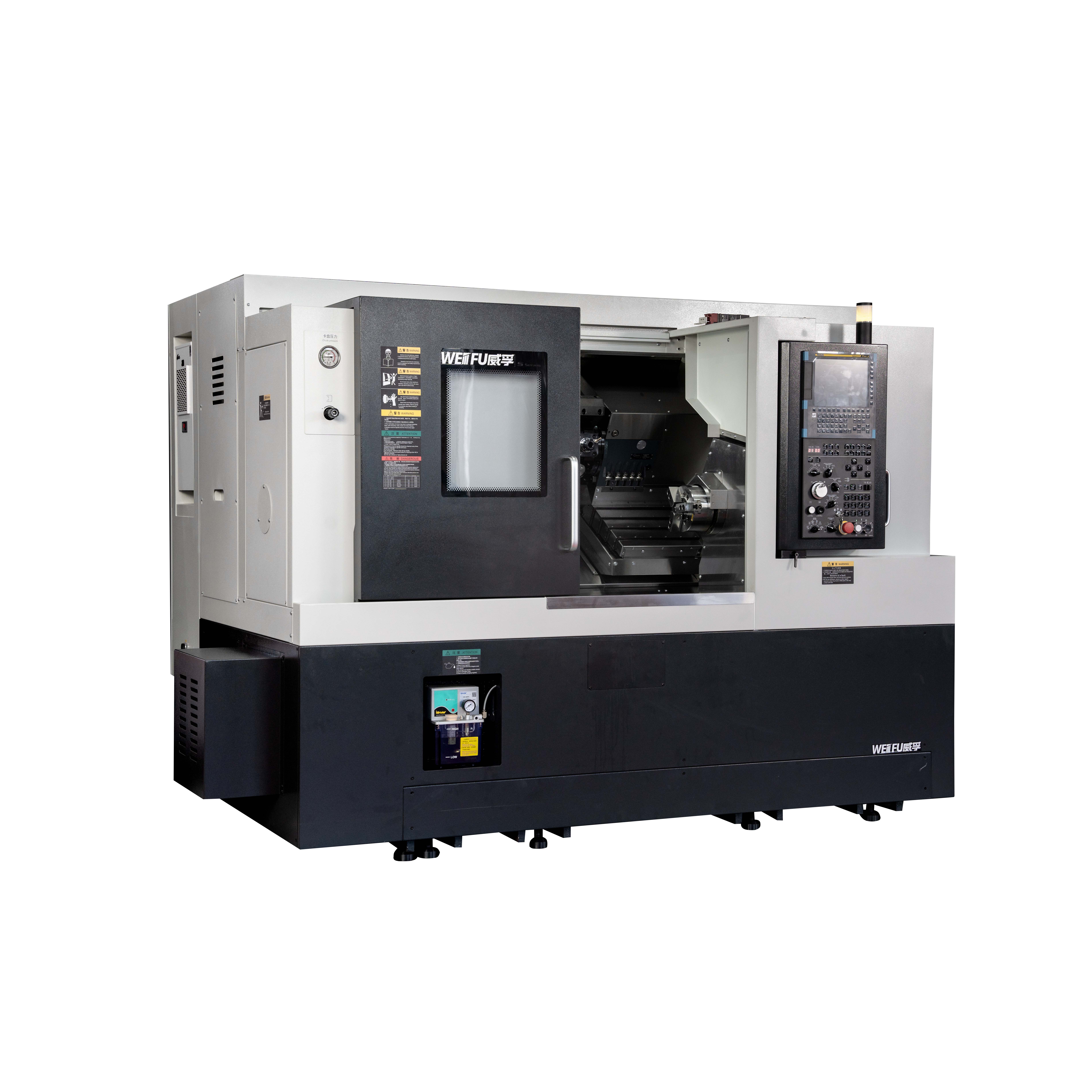
Cylindrical Grinder Fundamentals: Process, Machine Types, and Cost-Efficiency Drivers
How the cylindrical grinding process enables tight tolerances with minimal rework
In cylindrical grinding, workpieces spin against super fast abrasive wheels to get incredibly accurate dimensions. Most shops can hold tolerances around ±0.0001 inches and surface finishes under 8 µin Ra regularly. Such tight specs matter a lot for parts that cannot fail, think engine crankshafts, hydraulic rods, those bearing journals in industrial equipment. Even small errors there could mean big problems down the road. The machines typically rotate both the workpiece and the grinding wheel at the same time, which helps remove material evenly all around the cylinder. Good machines have solid frames and temperature control systems too, so they stay consistent during long production cycles. When everything works right, this setup cuts down on wasted materials, reduces the need for rework, and speeds up quality checks. Shops with properly maintained equipment often see over 98% success rate on their first pass through the process.
TCO comparison: conventional vs. CNC vs. adaptive cylindrical grinder systems
Total Cost of Ownership (TCO) analysis reveals stark differences in long-term value—not just purchase price:
| System Type | Initial Cost | Labor Cost | Scrap Rate | Long-Term Efficiency |
|---|---|---|---|---|
| Conventional | Low | High | High | Limited |
| CNC | Medium | Medium | Medium | Moderate |
| Adaptive | High | Low | Low | High |
Old school grinding machines depend heavily on skilled operators who manually dress wheels, tweak feeds, and judge when sparks stop flying from the workpiece. This hands-on approach naturally leads to inconsistencies and makes these operations quite labor intensive. While CNC systems do take care of moving parts around automatically, they still can't react fast enough when things change during actual cutting - think worn down grinding wheels or metal expanding as it heats up. That's where adaptive cylindrical grinders come into play. These modern machines pack sensors right into the process itself along with feedback loops that constantly monitor what's happening. They'll adjust how fast material gets removed, spin the grinding wheel at just the right speed, and even control how long each cut lasts based on real time data. The results? Manufacturers report seeing roughly 14.5% less wasted material when making shafts for cars and trucks. Wheels last between 22 to 35% longer too, which means fewer replacements needed. And companies save about $22 on consumables for every hundred parts produced. Sure, the initial price tag is steeper than conventional equipment, but most shops find that these savings add up significantly within five to seven years of operation.
Automation and Smart Control: Cutting Downtime and Boosting Uptime
Real-time monitoring and predictive maintenance in modern cylindrical grinder setups
Today's cylindrical grinders come equipped with internet connected sensors that keep track of things like spindle vibrations, motor current levels, coolant temps, and even sounds made during operation. All these different data points get fed into prediction software which spots problems long before they become serious issues. Take bearing wear for example it starts showing up as subtle changes in how the machine behaves. Coolant pumps start acting odd too when they're wearing out, and wheels can get unbalanced without anyone noticing until it's too late. Thermal sensors placed inside the spindle housing actually catch temperature spikes that signal bad lubrication conditions. When this happens, the system automatically slows down operations and sends alerts so maintenance crews know exactly what needs fixing during their regular scheduled breaks. According to recent studies published last year in Manufacturing Efficiency Journal, factories implementing these smart monitoring systems saw around 43 fewer days of unexpected stoppages each year compared to those still relying on old fashioned repair methods after something breaks. That translates into roughly 20 extra units produced per month without needing any new machines or investments. Instead of waiting for breakdowns to happen and scrambling to fix them, manufacturers now plan maintenance based on actual condition data turning reliable machinery into something that directly impacts bottom line results.
Optimized Consumables and Yield: Extending Wheel Life and Slashing Scrap Rates
Abrasives intelligence: selecting and managing grinding wheels for cost-per-part efficiency
Getting the most out of each part starts with picking the right abrasives and managing them properly. The composition of grinding wheels matters a lot - things like grit type (aluminum oxide works for many metals, cubic boron nitride is better for harder materials), bond structure (vitrified bonds hold up well but resinoid ones cool better), and how porous the wheel is all impact how fast parts get finished, what kind of surface they end up with, and how long the wheel lasts before needing replacement. Newer engineered wheels come with built-in wear indicators so operators know when they're getting close to the end of their useful life. These wheels perform consistently throughout their entire thickness too. Combine this with systems that monitor wheel condition and cutting forces in real time, and shops can cut down on premature wheel changes by around 30% while still keeping surface finishes below 0.8 microns. According to shop floor experience and industry data, this comprehensive method typically saves about $22 on consumables for every 100 parts produced without compromising accuracy requirements.
Validated impact: 14.5% scrap reduction in automotive shaft production using adaptive cylindrical grinder control
When it comes to getting better results in those big volume, precision manufacturing setups, adaptive control really makes a difference. Take for instance what happened on an actual automotive transmission shaft production line where they implemented sensor based adjustments. They compensated for things like thermal drift, wheel wear issues, and part deflections, which cut down their scrap rate by around 14.5%. The system keeps checking those important diameters while grinding is happening, making real time tweaks to how long sparks last and adjusting feed rates so bearing journals stay within that tight ±5 micrometer range. What this does is stop those pesky out of tolerance rejects that happen when small errors build up over time. Less wasted raw materials means money saved, and there's also less need for all that extra quality inspection work. And let's be clear, this wasn't just a minor improvement either. We're talking about a major leap forward in how well the process works overall, with capability indices jumping from 1.3 to 1.9. That kind of jump shows exactly why adaptive control has become such a game changer for achieving those six sigma standards in cylindrical grinding operations.
Material and Energy Efficiency: Maximizing Output per Unit Input
The latest cylindrical grinding tech has really boosted how efficiently resources get used thanks to all sorts of built-in efficiency improvements. Take variable frequency drives or VFDs for instance. These things basically adjust motor power when the machine isn't actually cutting anything, which cuts down on wasted energy during downtime. According to some recent research from Ponemon Institute, this can save anywhere between 18 to 24 percent of energy normally consumed when machines just sit there idling. Coolant systems have gotten smarter too. They now constantly check things like pressure levels, filter condition, and how dirty the coolant gets before deciding exactly how much needs to go where. This approach means factories can cut their coolant usage by around 35 percent and naturally spend less money getting rid of old fluids. When it comes to materials, newer abrasive wheels are making a big difference. With better shaped grains and stronger bonds holding them together, these wheels remove material faster without damaging surfaces. This supports what's called near-net-shape finishing, meaning companies waste about 30 percent less raw material overall. Plus quick change workholding setups help reduce scrap during setup times. All these improvements combined bring down total cost of ownership while helping manufacturers meet their green goals. And let's face it, energy alone eats up almost 40 percent of running costs in precision grinding shops, so any savings here matter a lot.
FAQ Section
What is the primary advantage of using adaptive cylindrical grinders over conventional ones?
Adaptive cylindrical grinders offer real-time adjustments based on sensor feedback, leading to reduced material wastage, extended wheel life, and overall cost savings over time.
How do smart monitoring systems contribute to reduced downtime?
Smart systems predict and alert operators to potential issues before they lead to breakdowns, enabling scheduled maintenance and minimizing unexpected stoppages.
Why are newer abrasive wheels more efficient?
The latest abrasive wheels are designed with better grain shapes and bonds, allowing for faster material removal and reduced raw material wastage.
What is the impact of variable frequency drives (VFDs) on energy consumption?
VFDs adjust motor power when machines are idle, reducing energy consumption by 18 to 24 percent.
Table of Contents
- Cylindrical Grinder Fundamentals: Process, Machine Types, and Cost-Efficiency Drivers
- Automation and Smart Control: Cutting Downtime and Boosting Uptime
- Optimized Consumables and Yield: Extending Wheel Life and Slashing Scrap Rates
- Material and Energy Efficiency: Maximizing Output per Unit Input
- FAQ Section

