
 EN
EN
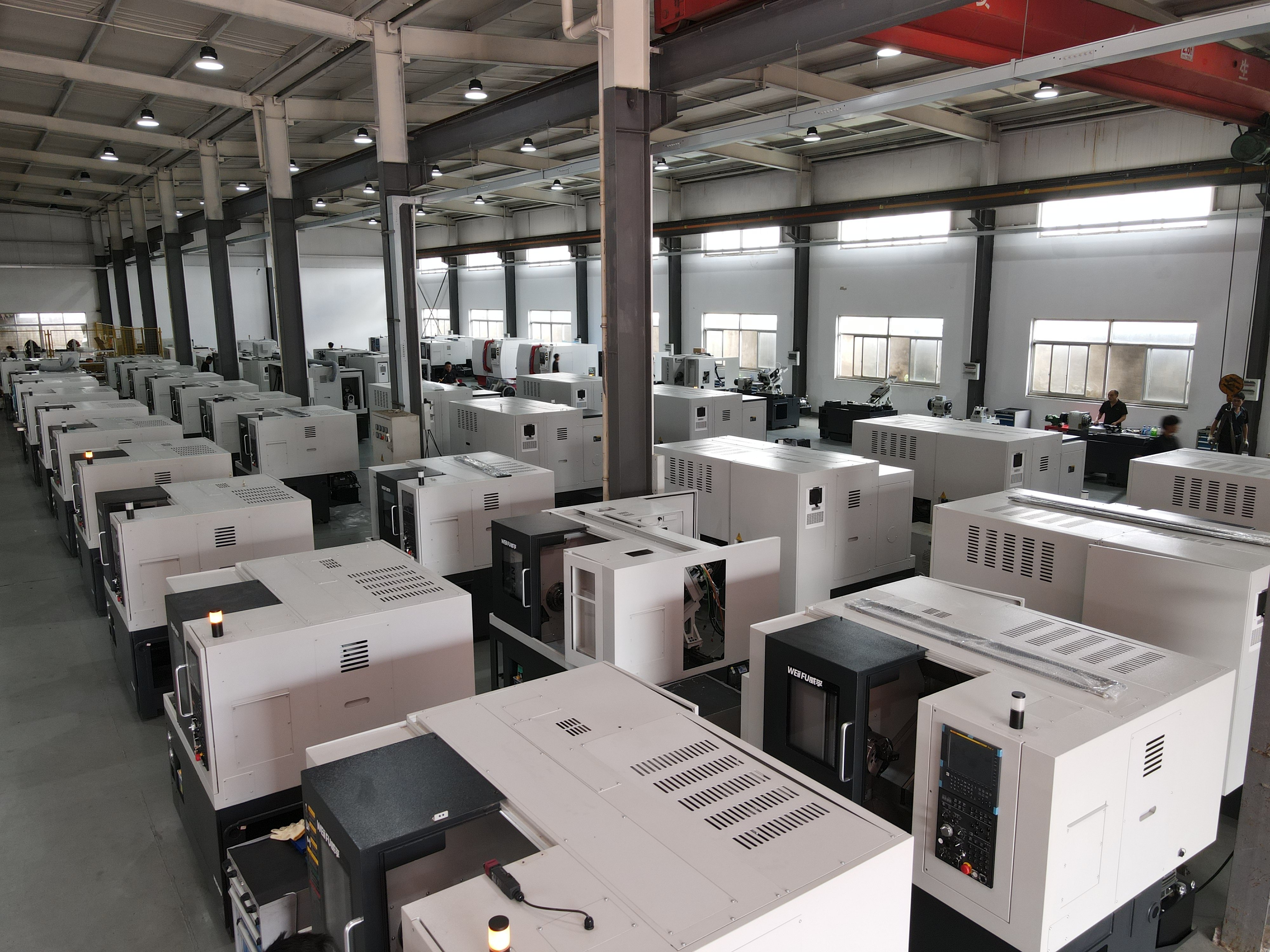
Aerospace manufacturing demands uncompromising precision, and a cnc lathe stands as one of the most critical tools for producing components that meet these exacting standards. When engineering parts for aircraft engines, landing gear, and structural assemblies, manufacturers cannot afford tolerances in the hundreds of a millimeter. A cnc lathe enables the consistent, repeatable accuracy that aerospace certification bodies demand, transforming raw materials into mission-critical components with the reliability that flight safety requires.
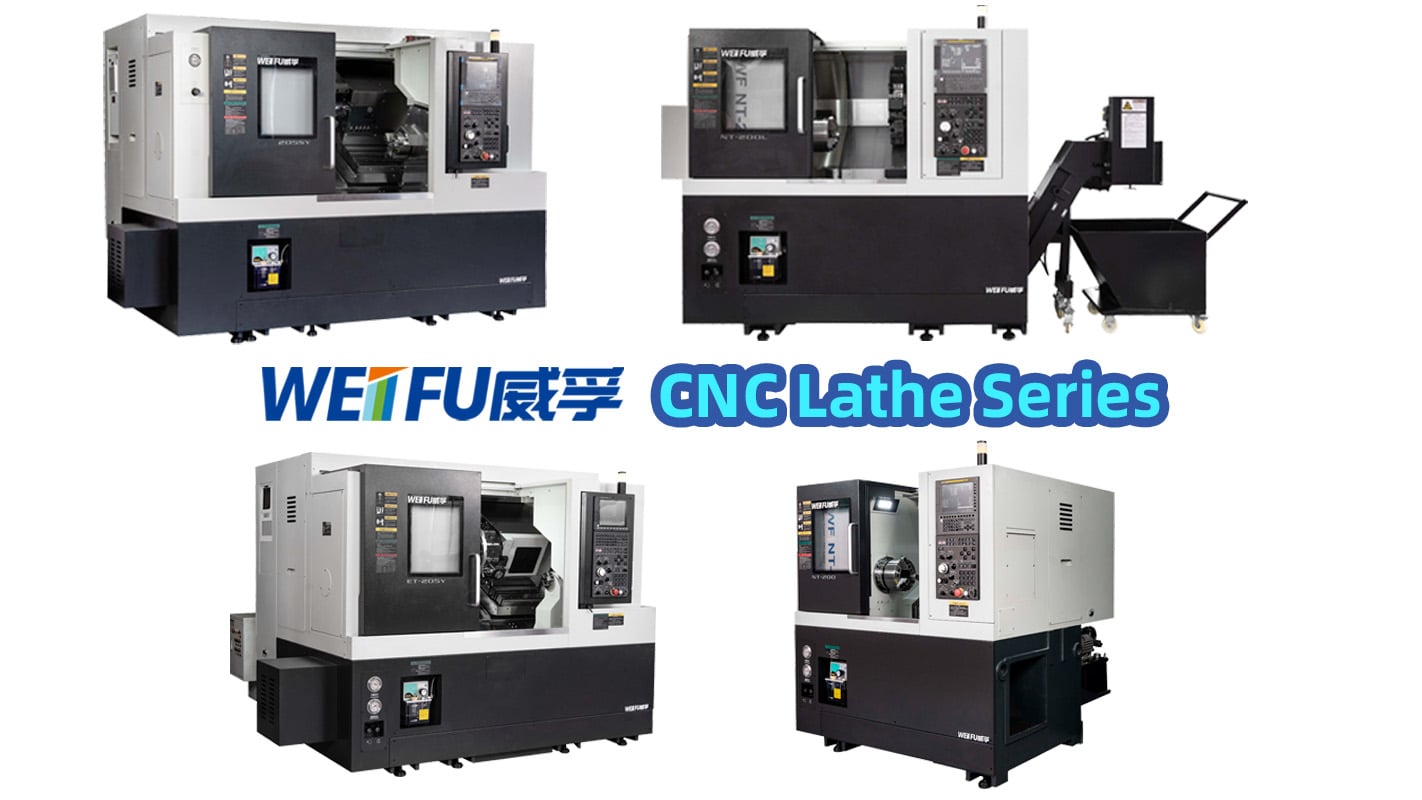
The aerospace industry operates under strict regulatory frameworks including AS9100 certification, which sets quality management standards far beyond conventional manufacturing. A cnc lathe designed for aerospace work must deliver repeatability within microns, integrate advanced tool-path programming, and provide real-time monitoring capabilities that document every cut for compliance audits. Understanding how a cnc lathe achieves these precision levels, manages material properties under extreme conditions, and maintains traceability throughout production is essential for manufacturers pursuing aerospace contracts.
How a CNC Lathe Delivers Aerospace Precision Standards
Spindle Accuracy and Thermal Stability in CNC Lathe Systems
A cnc lathe used in aerospace manufacturing must maintain spindle runout tolerances measured in thousandths of an inch over extended production runs. Thermal growth in the spindle, caused by friction and cutting heat, directly affects dimensional accuracy. Premium cnc lathe systems incorporate precision roller bearings, temperature-control systems, and spindle designs that minimize runout drift throughout the machining cycle. When a cnc lathe is properly tuned and maintained, the spindle remains concentric to within 0.0005 inches, ensuring that diameter tolerances remain consistent across batches of 100 or 1,000 identical parts.
The mechanical design of a cnc lathe also determines how effectively it resists vibration and chatter, which destroy surface finish and accelerate tool wear. Aerospace parts often feature thin walls, complex shoulders, and internal galleries that amplify chatter risk. A cnc lathe with robust bed casting, preloaded spindle bearings, and optimized cutting geometry absorbs vibration energy and maintains surface roughness within the Ra 0.8 to Ra 3.2 microinch range that aerospace drawings specify. This stability transforms tool life from dozens of parts to hundreds, directly reducing per-unit production cost.
CNC Lathe Programming and Adaptive Cutting Strategies
Programming a cnc lathe for aerospace production goes beyond simple tool-path generation. Each program must account for material variations in titanium alloys, nickel-based superalloys, and aluminum aerospace forgings, all of which exhibit different work-hardening characteristics and chip-breaking behavior. Skilled programmers write cnc lathe code that includes adaptive feedrate control, which monitors cutting forces and automatically reduces spindle speed or feed rate if tool deflection exceeds acceptable limits. This real-time adjustment prevents tool breakage, maintains dimensional accuracy, and eliminates the scrapped parts that result from tool chatter or sudden load spikes.
Modern cnc lathe control systems also integrate tool-offset management and wear compensation, allowing a cnc lathe to automatically adjust cutting geometry as tool edges wear. In aerospace production, this means one cnc lathe setup can produce dozens of parts while maintaining tolerance stack throughout the production run. The control system logs every tool change, every dimensional measurement, and every spindle load, creating the digital traceability record that aerospace quality auditors demand. A cnc lathe equipped with this level of process control becomes a machine that manufactures not just parts, but compliance documentation.
Material Selection and Cutting Optimization for CNC Lathe Aerospace Work
Titanium and Superalloy Machining on a CNC Lathe
Titanium alloys and nickel-based superalloys present extreme challenges for any cnc lathe. These materials exhibit low thermal conductivity, which concentrates heat in the cutting zone rather than dissipating it through the chip or workpiece. A cnc lathe attempting titanium with standard speeds and feeds will generate catastrophic built-up edge conditions, where material welds to the tool flank and destroys surface finish. Aerospace-grade cnc lathe programming uses aggressive cutting speeds for titanium—often exceeding 100 surface feet per minute—combined with positive-rake carbide inserts and through-spindle coolant delivery that floods the cutting zone with high-pressure aerospace fluids.
Superalloys used in jet engines operate at 1,800 degrees Fahrenheit when installed, and a cnc lathe must machine these materials in their annealed condition without introducing work-hardening or microstructural damage that reduces in-service fatigue life. The cnc lathe operator monitors cutting forces, spindle vibration, and chip formation color in real time, because superalloy machining failures often signal through subtle sensory cues before they produce scrap parts. Selecting tool geometry, coolant chemistry, and feed rates specifically for superalloys transforms a cnc lathe from a general machine into a specialized instrument capable of producing aerospace-critical rotating parts.
Tool Selection and Coolant Systems in CNC Lathe Setups
The cnc lathe cutting tool represents the boundary between precision and scrap. Aerospace manufacturers specify tungsten-carbide inserts with specific geometries, coatings, and edge radii tailored to each material and operation. A cnc lathe setup might employ PVD-coated finishing inserts for aluminum, uncoated or TiN-coated roughing inserts for titanium, and specialized super-hard ceramic inserts for high-temperature cast-iron turbine housings. Each insert type integrates differently with the cnc lathe's feed mechanics and cutting-force balance, so operators must verify tool orientation, insert seat quality, and holder runout before running production.
The coolant system integrated into a cnc lathe is equally critical to achieving aerospace standards. Through-spindle coolant delivery on a cnc lathe ensures that cutting fluid reaches the tool-workpiece interface without entrapment, cooling the tool and flushing chips away from the cutting zone. Aerospace facilities often employ specialty fluids formulated to reduce alloy-specific machining challenges; a cnc lathe running titanium might use coolant with extreme-pressure additives that prevent galling, while aluminum operations use coolants optimized for chip evacuation. The cnc lathe coolant tank must maintain filtration to 3 microns, preventing particle contamination that could embed in workpiece surfaces and compromise fatigue performance.
Quality Control and Traceability in CNC Lathe Aerospace Manufacturing
Dimensional Verification and Statistical Process Control on a CNC Lathe
A cnc lathe in aerospace production is not a standalone machine but a component of a documented quality system. Every cnc lathe workstation must include calibrated measuring equipment—air gauges, micrometers, or coordinate measuring machines—to verify that parts conform to print before they leave the machine. Aerospace drawings typically specify multiple critical dimensions, each with bilateral or unilateral tolerances, and a cnc lathe operator must verify first-article inspection parts against each specified feature before authorizing production of the remaining lot.
Statistical process control on a cnc lathe shifts quality verification from 100-percent measurement to statistical sampling, reducing labor while maintaining confidence. By measuring every fifth or tenth part from a cnc lathe batch and plotting results on control charts, manufacturers identify process drift before scrap occurs. If a cnc lathe dimension trends toward the tolerance limit over 20 parts, the control chart signals an intervention point, allowing the operator to make fine tool-offset adjustments and prevent out-of-tolerance production. This preventive approach transforms a cnc lathe from a reactive tool into a proactive system that maintains aerospace standards through continuous process discipline.
Documentation, Traceability, and AS9100 Compliance Through CNC Lathe Records
Aerospace regulations require complete traceability from raw material receipt through finished-part shipment. A cnc lathe equipped with modern CNC controls automatically logs spindle speed, feed rate, tool life, cutting-force data, and cycle time for every part produced. This digital record becomes the production proof that a cnc lathe ran under controlled parameters, and when combined with measurements and material certifications, it creates the compliance file that auditors demand. Some cnc lathe systems integrate barcode scanning, allowing automatic linkage between specific tools used, coolant lot numbers, and individual part serial numbers.
AS9100 certification requires that a cnc lathe operator document tool changes, verify tool calibration, and confirm that work-holding devices are within calibration intervals before each production run. Many aerospace shops employ cnc lathe tool-management software that prevents a cnc lathe from executing a program unless pre-production verification steps are logged and approved. This human-machine integration ensures that a cnc lathe cannot bypass quality checkpoints, transforming procedural requirements into automated constraints. The result is a cnc lathe environment where compliance becomes the default rather than an after-production inspection activity.
FAQ
What specific tolerances can a cnc lathe achieve for aerospace components?
A cnc lathe in aerospace production typically maintains tolerances of plus-or-minus 0.0005 inches on critical dimensions and can achieve tighter limits of plus-or-minus 0.0001 inches with optimized setup and premium tooling. Surface finish on a cnc lathe averages Ra 0.8 to Ra 3.2 microinches for finishing cuts, meeting or exceeding aerospace drawing requirements. Runout on a cnc lathe typically measures within 0.001 inches for diameter features, and bore concentricity remains within 0.0002 inches when using precision boring bars and proper work-holding.
How does a cnc lathe maintain quality during long production runs?
A cnc lathe maintains quality through tool-wear compensation, real-time adaptive cutting control, and scheduled tool changes based on insert-life models rather than time intervals. The cnc lathe control system monitors cutting forces and automatically adjusts tool offsets every few parts, keeping dimensions consistent across batches of 500 or more parts. Preventive maintenance on a cnc lathe includes spindle thermal compensation, coolant filtration, and periodic runout verification, ensuring that the machine does not drift out of statistical control.
Why is coolant management critical for a cnc lathe in aerospace work?
Coolant on a cnc lathe serves three functions: cooling the tool and workpiece, flushing chips away from the cutting zone, and providing lubrication that prevents built-up edge on difficult materials like titanium. Aerospace-grade coolants are formulated specifically for superalloys and titanium, and a cnc lathe coolant system must maintain 3-micron filtration to prevent particle contamination that could cause scrap or reduce part fatigue life. Contaminated or degraded coolant can turn a precision cnc lathe into a scrap-producing machine in hours.

