
 EN
EN
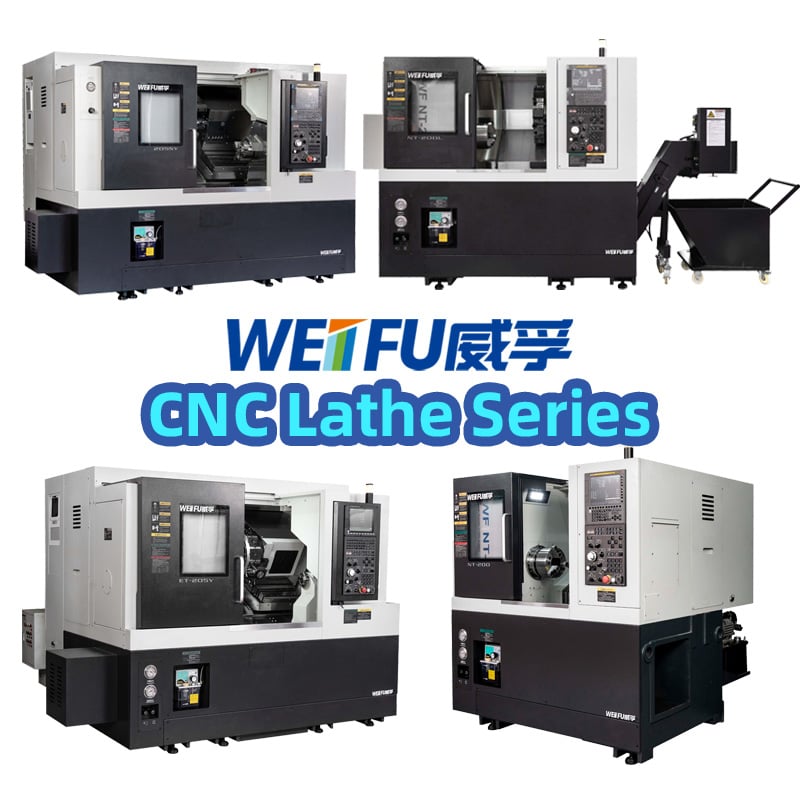
The manufacturing landscape is undergoing a fundamental transformation, and the cnc lathe stands at the forefront of this revolution. When paired with robotic automation systems, the cnc lathe becomes far more than a traditional machining tool. It evolves into an intelligent production asset that operates with minimal human intervention, dramatically improving throughput, consistency, and profitability. This convergence of cnc lathe technology and collaborative robotics represents the future of smart manufacturing, enabling facilities to compete in an increasingly demanding global market.
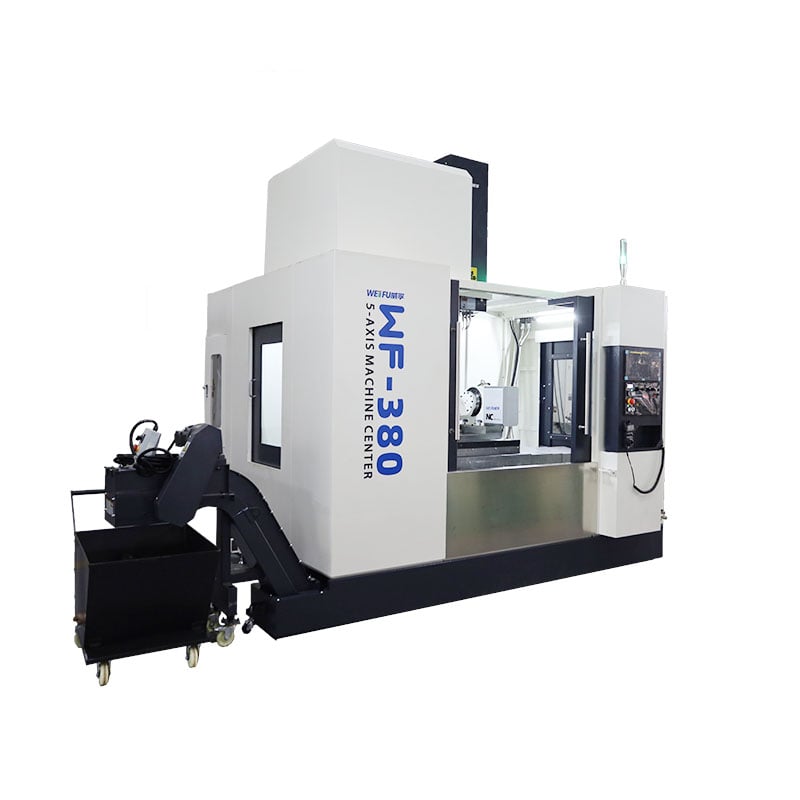
Organizations that implement an automated cnc lathe solution gain immediate competitive advantages in cycle time reduction, labor cost optimization, and product quality consistency. The cnc lathe paired with robotic loading and unloading systems can operate continuously, handling complex turning operations without fatigue or performance degradation. Industries ranging from aerospace to automotive to medical device manufacturing are already leveraging this technology to achieve production targets that were impossible with conventional setups. Understanding how a cnc lathe integrates with robotic systems is essential for any manufacturing leader seeking to stay relevant in the era of Industry 4.0.
How Robotic Automation Enhances CNC Lathe Performance
Continuous Operation and Throughput Maximization
A cnc lathe equipped with robotic automation can operate on a 24/7 cycle without operator fatigue, scheduling breaks, or shift transitions. The robot handles material loading, part removal, and workpiece repositioning with absolute consistency, ensuring that every cycle meets the same timing specifications. Where a traditional cnc lathe requires an operator to load stock, monitor the cutting cycle, and unload finished parts, the automated cnc lathe eliminates these manual steps entirely. This seamless integration translates to significantly higher pieces per hour, reducing time-to-delivery and allowing manufacturers to fulfill orders faster. The cnc lathe's spindle utilization jumps from perhaps 65–70% in manual operation to 90% or higher with robotic tending, fundamentally changing production economics.
Precision and Consistency in Every Part
Robotic systems eliminate human variables that naturally occur in manual cnc lathe operation. Tool changes, spindle speeds, feed rates, and coolant application are all performed identically on every cycle by the cnc lathe controller and robotic arm. This consistency dramatically reduces scrap rates and rework requirements, directly impacting the bottom line. A cnc lathe working with a robot delivers parts that meet design tolerances cycle after cycle, which is especially critical in regulated industries such as aerospace and medical devices. The elimination of operator-induced variation means higher first-pass quality rates and reduced inspection overhead. Every cnc lathe cycle becomes a reliable, predictable event rather than dependent on individual skill or attention levels.
Implementation Strategy for Automated CNC Lathe Systems
Assessment and Integration Planning
Before deploying a cnc lathe with robotic automation, manufacturers must conduct a thorough production analysis. Key questions include part complexity, production volume, material types, and existing cnc lathe capability. Not every cnc lathe is equally suited for automation, and not every production scenario justifies the investment. However, high-volume, repetitive turning operations on a cnc lathe are ideal automation candidates. Integration planning should address tooling compatibility, safety zoning around the cnc lathe cell, and material handling logistics. Successful implementation of an automated cnc lathe requires collaboration between production engineering, maintenance teams, and integrators who understand both cnc lathe mechanics and robotic programming. This upfront planning determines whether the cnc lathe automation investment delivers the expected return.
Workflow Optimization and Changeover Management
An efficient automated cnc lathe system requires streamlined workflow design. Material staging areas must position stock within the robot's reach envelope, and finished part removal must happen quickly to prevent bottlenecks. The cnc lathe programming should be optimized for robotic handling, including tool changes and spindle orientation that minimize cycle time. When product changeovers are necessary, the cnc lathe tooling, fixtures, and robotic pick-and-place routines should be standardized to reduce downtime. Many modern cnc lathe cells include quick-change tooling and part fixtures, allowing the robot to reconfigure the cnc lathe setup in minutes rather than hours. This flexibility amplifies the value proposition of automating a cnc lathe, enabling it to handle multiple part families without long idle periods.
Business Impact and Return on Investment
Cost Reduction Through Labor Optimization
The most immediate cnc lathe automation benefit is labor reduction. One operator can now supervise multiple cnc lathe cells instead of tending a single machine. Raw material staging, quality sampling, and finished goods handling become the operator's focus rather than repetitive loading and unloading tasks. This labor redeployment typically reduces direct machining labor by 60–75% per cnc lathe cell. When applied across a facility with multiple cnc lathe machines, the cumulative labor savings often justify automation investment within 18–36 months. Beyond wages, the cnc lathe operator no longer experiences repetitive strain injuries associated with manual loading and unloading, reducing workers' compensation costs and improving workplace safety metrics. These tangible savings make the cnc lathe automation case compelling to CFOs and plant managers alike.
Revenue Growth and Market Responsiveness
Increased cnc lathe throughput directly enables revenue growth without proportional increases in facility footprint or overhead. A manufacturer can bid on larger customer orders knowing that an automated cnc lathe system can reliably meet delivery timelines. Faster cnc lathe cycle times reduce lead times, improving competitiveness against both domestic and offshore suppliers. In industries where time-to-market is critical, such as medical device or automotive component manufacturing, the cnc lathe automation advantage becomes a market differentiator. Customers increasingly require delivery reliability and consistent quality, criteria that an automated cnc lathe excels at meeting. The cnc lathe investment thus enables business growth that might otherwise require facility expansion, warehouse infrastructure, or hiring additional management personnel.
Addressing Implementation Challenges
Safety and Regulatory Compliance
Integrating a cnc lathe with robotic automation requires careful attention to workplace safety standards and equipment guarding. The cnc lathe cell must be protected by safety fencing or light curtains to prevent operator contact with moving parts or rotating spindles. Emergency stop buttons must be accessible and functional, and the cnc lathe programming must include safe shutdown protocols. Regulatory compliance varies by jurisdiction but generally requires risk assessments, operator training, and documented maintenance procedures for the cnc lathe system. Many modern robotic platforms include built-in safety features such as force-limiting and collaborative operation modes, which can simplify the automation of a cnc lathe. Proper implementation ensures that the cnc lathe automation delivers both productivity and safety benefits.
Maintenance and Technical Support
An automated cnc lathe system introduces additional complexity compared to standalone machine tool operation. Both the cnc lathe and the robotic system require preventive maintenance, and integration points between the two systems must be monitored for wear or misalignment. Establishing clear maintenance protocols for the cnc lathe, robot, tooling, and fixtures is essential to minimize unplanned downtime. Many manufacturers partner with system integrators who provide ongoing support, training, and spare parts logistics for the cnc lathe automation package. Having access to technical expertise ensures that when issues arise, the cnc lathe system can be diagnosed and repaired quickly, minimizing production interruption. Investment in technician training and documentation is part of the true cost of cnc lathe automation and should not be overlooked.
FAQ
What types of parts are best suited for automated cnc lathe production?
Parts with repetitive turning operations, consistent material properties, and moderate to high production volumes are ideal candidates for automated cnc lathe systems. Cylindrical components such as shafts, bushings, and threaded connectors are commonly produced on an automated cnc lathe. Medical device components, automotive fasteners, and industrial valve bodies are practical examples where cnc lathe automation delivers strong ROI. Parts requiring complex tooling or frequent setup changes may not be as well-suited to cnc lathe automation unless the production volume is very high.
How long does it typically take to implement a cnc lathe automation system?
Implementation timeline for a cnc lathe automation project typically ranges from three to six months, depending on system complexity and production requirements. The cnc lathe assessment and planning phase may take four to eight weeks, followed by equipment procurement and site preparation. Once the cnc lathe robot arrives, integration and testing usually require six to twelve weeks of hands-on engineering work. Full production ramp-up and operator training can add another four to eight weeks to the timeline. Engaging experienced integrators familiar with cnc lathe automation can help keep the cnc lathe project on schedule and within budget.
What is the typical return on investment for a cnc lathe automation system?
Most cnc lathe automation investments achieve payback within two to three years through labor savings, increased throughput, and reduced scrap rates. A well-designed cnc lathe system that increases production capacity by 40–60% and reduces labor requirements by 60–75% typically generates compelling financial returns. Secondary benefits such as improved product quality, reduced workplace injuries, and enhanced scheduling flexibility add additional value beyond the direct ROI calculation. Financial performance of each cnc lathe automation project varies based on production volume, part complexity, and baseline labor costs.

