
 EN
EN
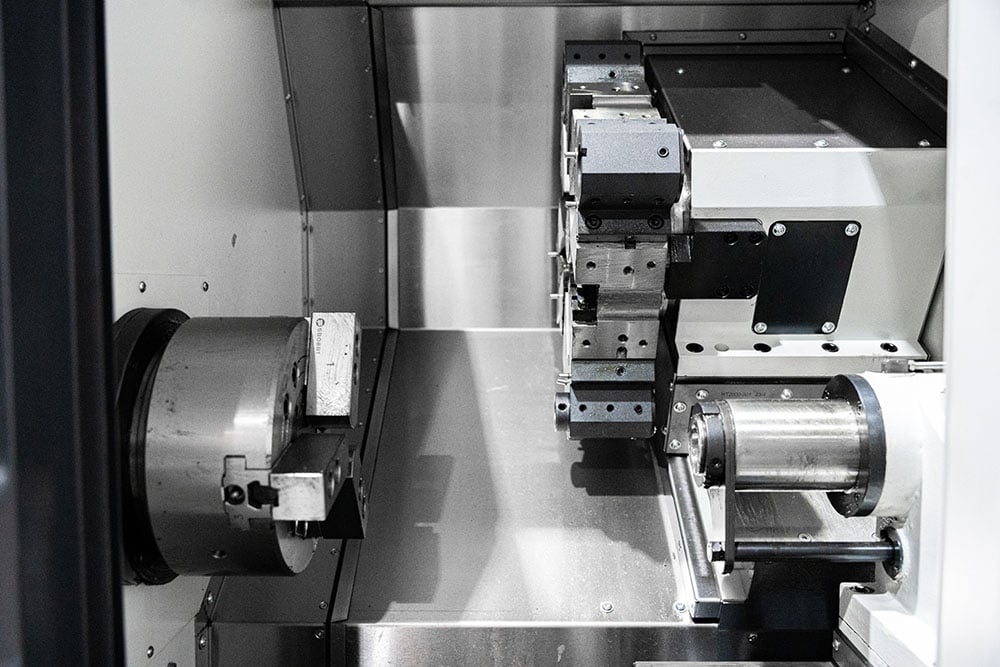
Modern manufacturing demands precision, reliability, and efficiency when producing large diameter shafts and complex industrial components. A cnc lathe stands as the cornerstone technology for achieving these objectives in heavy-duty production environments. Whether you operate in automotive, energy, aerospace, or heavy machinery sectors, investing in a robust cnc lathe directly impacts your operational capacity, product quality, and competitive positioning. This article explores how a cnc lathe engineered for heavy-duty applications delivers measurable value for organizations handling demanding shaft machining and component production.
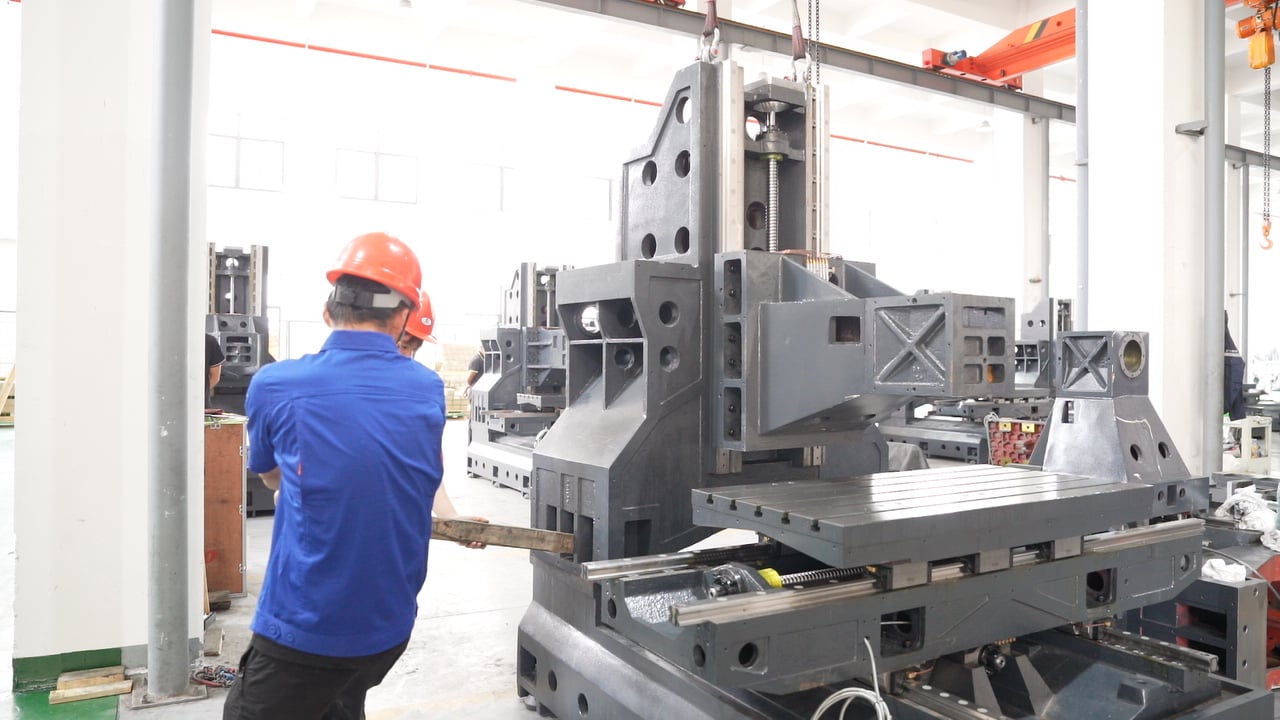
The evolution of cnc lathe technology has transformed how industrial manufacturers approach large diameter shaft production. Unlike conventional lathes, a modern cnc lathe integrates advanced control systems, precision spindle designs, and rigid construction that work together to eliminate manual intervention and human error. Industrial facilities choosing a cnc lathe for their operations report significant improvements in cycle time reduction, tool life extension, and dimensional consistency. Understanding the core capabilities and practical advantages of a cnc lathe helps decision-makers select equipment that aligns with their production requirements and long-term business goals.
Understanding Heavy-Duty CNC Lathe Capabilities
Spindle Power and Rigidity Requirements
A heavy-duty cnc lathe designed for large diameter shafts must deliver exceptional spindle power and structural rigidity to manage the forces generated during deep cutting operations. The spindle horsepower directly determines your ability to remove material efficiently without thermal distortion or accuracy loss. A professional-grade cnc lathe typically features spindle power ranging from 15 to 40 horsepower, depending on workpiece diameter and material hardness. The bed structure of a cnc lathe must resist deflection during interrupted cuts and rapid tool changes, which is why cast iron construction and precision-ground slideways define modern cnc lathe engineering.
Chuck and Workholding Systems
The workholding capability of a cnc lathe directly affects your maximum workpiece diameter and clamping stability. A cnc lathe equipped with hydraulic chuck systems ensures repeatable clamping pressure and minimal runout, which is critical for maintaining tolerance bands on large diameter shafts. Many modern cnc lathe installations feature power chuck options with through-hole capacity, allowing your facility to machine long shafts without manual repositioning. The chuck diameter and clamping force specifications of your chosen cnc lathe should exceed your largest anticipated workpiece by a safety margin to accommodate future production expansion.
Production Benefits of Heavy-Duty CNC Lathe Systems
Precision and Repeatability Performance
Manufacturing tight tolerances on large diameter shafts demands exceptional machine accuracy, which a purpose-built cnc lathe delivers consistently across production runs. A cnc lathe with precision ball-screw drives and closed-loop servo feedback maintains dimensional accuracy within 0.0005 inches, enabling your facility to machine complex features without requiring post-machining grinding operations. The repeatability advantage of a cnc lathe eliminates tool offset drift and operator variability, which are common challenges with manual turning operations. When you compare scrap rates and rework costs between manual and cnc lathe production, the precision gains typically justify equipment investment within eighteen to thirty-six months of operation.
Cycle Time Reduction and Production Throughput
Operational efficiency represents one of the most compelling reasons to implement a heavy-duty cnc lathe in your manufacturing facility. A modern cnc lathe reduces cycle times by fifty to seventy percent compared to manual lathe operations, primarily through simultaneous multi-axis machining and rapid tool positioning. Automated tool changers on a professional cnc lathe eliminate manual tool swapping delays, allowing operators to load multiple workpieces while the machine executes unattended operations. The productivity gain from deploying a cnc lathe multiplies over production runs, enabling your facility to fulfill larger customer orders and reduce lead times significantly.
Selection Criteria and Application Fit
Material Compatibility and Cutting Speeds
Selecting the right cnc lathe requires matching machine specifications to your primary material workload, whether steel alloys, cast iron, aluminum, or exotic materials like titanium and nickel-based superalloys. A cnc lathe designed for high-speed aluminum production differs fundamentally from equipment optimized for heavy interrupted cuts on hardened steel. The spindle speed range, tool holder configuration, and coolant system capacity of your cnc lathe must align with material properties and surface finish requirements. Industrial facilities processing diverse materials benefit from selecting a cnc lathe with variable spindle speeds ranging from 50 to 3000 RPM, ensuring optimal cutting parameters across material types.
Facility Integration and Support Requirements
Deploying a heavy-duty cnc lathe involves more than purchasing equipment; it requires planning electrical infrastructure, coolant management systems, and operator training protocols. Your facility must supply appropriate three-phase power and machine grounding to ensure safe operation and optimal precision from your cnc lathe. The foundational considerations for a cnc lathe installation include sufficient floor space for workpiece material staging, chip conveyor systems, and routine maintenance access. Establishing preventive maintenance schedules and securing technical support contracts with your cnc lathe provider protects equipment performance and minimizes production interruptions.
FAQ
What maximum workpiece diameter can a heavy-duty cnc lathe accommodate?
A typical industrial-grade cnc lathe designed for heavy-duty work accommodates workpiece diameters ranging from 6 inches to 24 inches over the ways, depending on specific machine configuration. Some specialized cnc lathe models with extended beds support even larger diameters up to 40 inches or more. Maximum swing diameter always represents a critical specification when evaluating a cnc lathe for your application, as it directly determines your production capability and market competitiveness for large shaft contracts.
How does a cnc lathe improve tool life compared to manual operations?
A cnc lathe extends tool life through consistent cutting speed maintenance, optimized feed rates, and reduced thermal stress compared to manual lathe operation where operators frequently adjust parameters. The precision speed control on a cnc lathe prevents the rapid flank wear that occurs when cutting speeds fluctuate during manual operation. Additionally, automated tool positioning and programmable tool offsets on a cnc lathe eliminate crash risk and collision damage, preserving tool edges for longer productive service intervals.
Can a cnc lathe handle interrupted cutting on cast iron components?
Yes, a properly specified heavy-duty cnc lathe with adequate spindle rigidity and power handles interrupted cuts on cast iron effectively when equipped with appropriate inserts and cutting strategies. The structural rigidity of a cnc lathe bed, combined with controlled spindle deceleration, prevents the vibration and chatter that would damage tools during interrupted cutting. Modern control systems on a cnc lathe allow programmable spindle load monitoring, enabling the machine to adjust feed rates automatically and protect both tooling and workpiece quality during challenging interrupted cuts.

