
 EN
EN
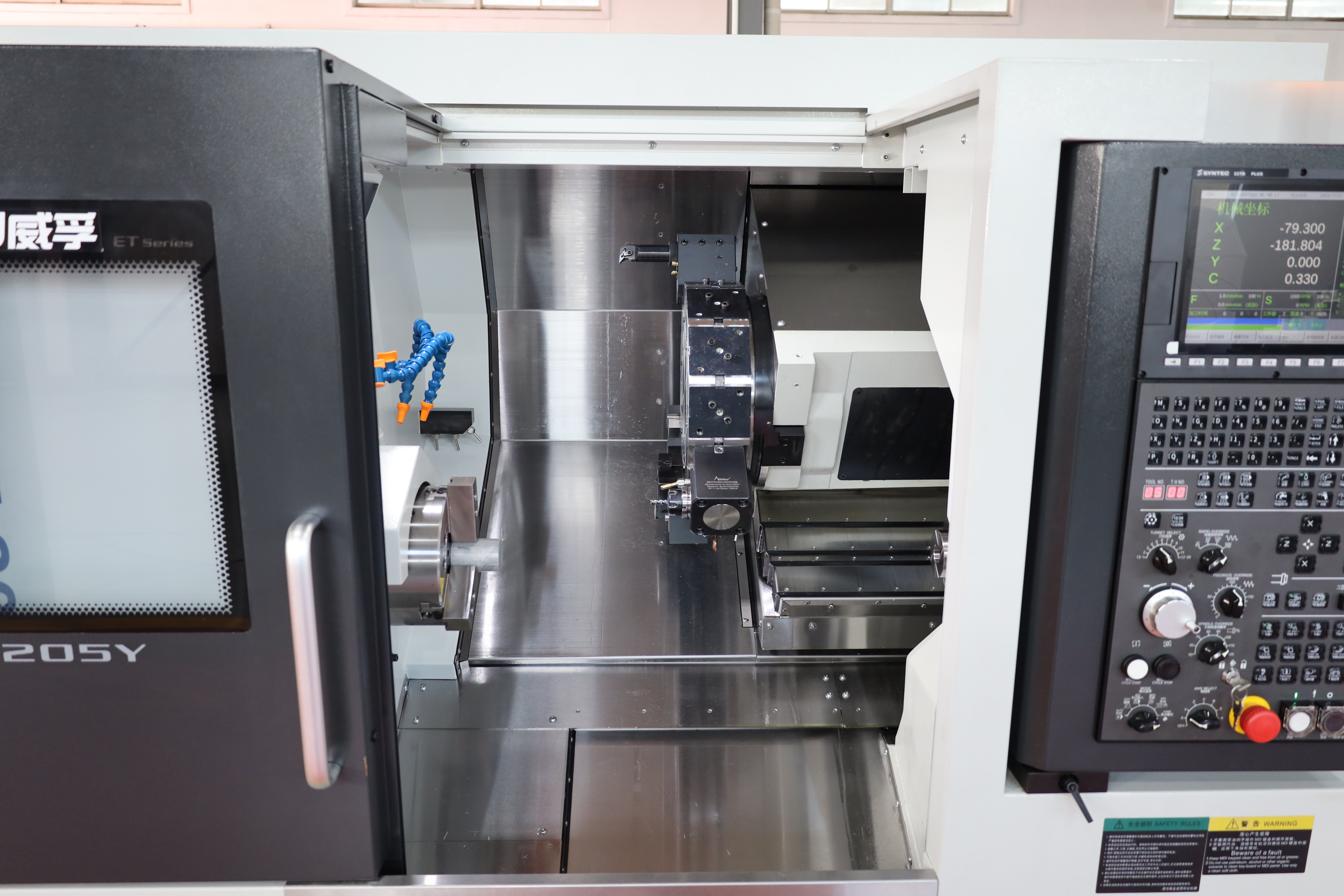
Small workshops face unique manufacturing challenges that demand both precision and practical space solutions. A cnc lathe engineered for compact environments delivers industrial-grade machining capabilities without consuming excessive floor space. These specialized machines bridge the gap between manual turning equipment and full-scale industrial cnc lathe systems, making them the natural choice for shops that refuse to compromise on quality while managing real-world constraints.
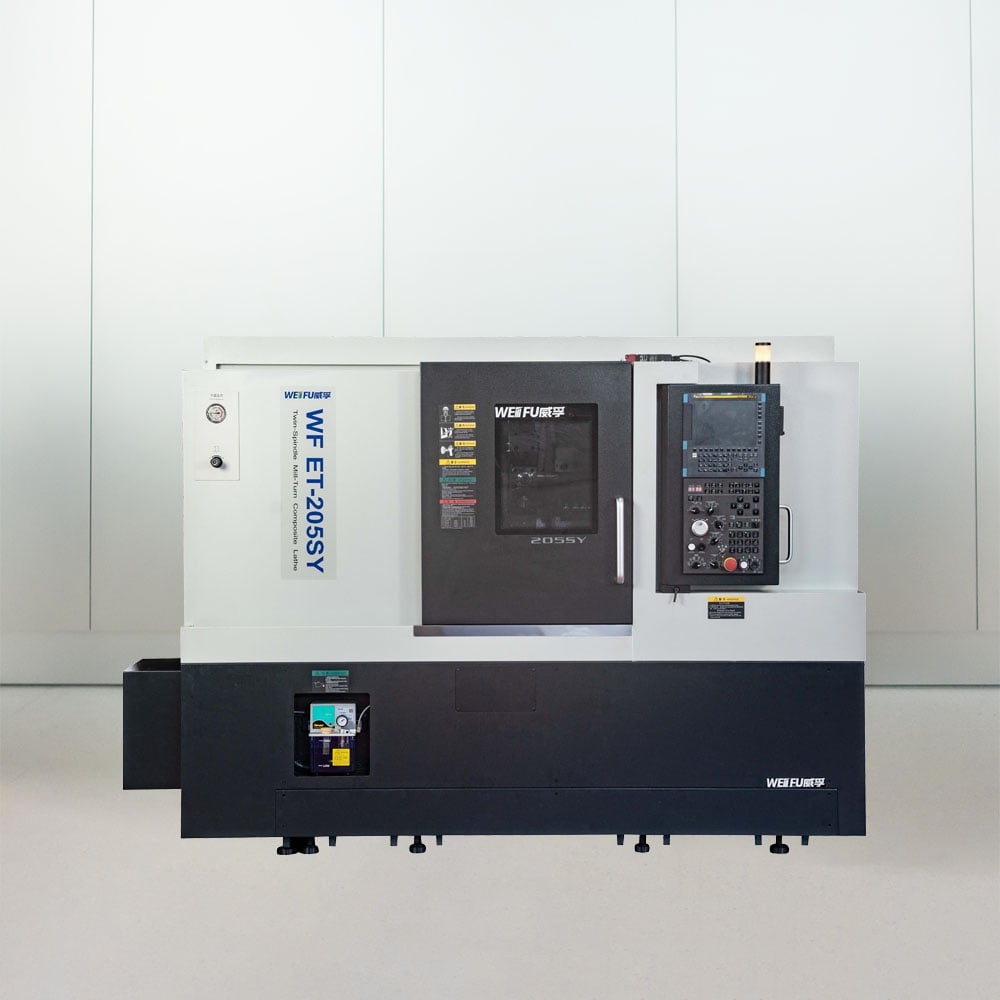
The demand for compact manufacturing solutions continues to rise as small-scale production, prototype development, and specialized job shops require consistent precision without warehouse-scale infrastructure. A cnc lathe designed for workshop environments combines affordability, operator accessibility, and measurable output capacity into a single system. Understanding when and why a cnc lathe is the right investment directly impacts workshop profitability, product quality, and long-term operational strategy.
Space Efficiency and Practical Integration
Footprint and Workshop Layout Optimization
Compact cnc lathe machines occupy roughly one-third to one-half the floor space of traditional industrial cnc lathe models while maintaining spindle power and precision tolerances. This spatial advantage allows workshop owners to integrate a cnc lathe into existing production environments without costly facility renovations or relocations. The reduced footprint also improves material flow, worker safety, and accessibility to adjacent equipment, making the cnc lathe a practical addition rather than a disruptive installation.
Power Requirements and Infrastructure
A cnc lathe tailored for small workshops typically operates on standard three-phase or single-phase electrical service found in most commercial spaces. This eliminates the need for specialized power conditioning, dedicated transformers, or facility upgrades that would add thousands to project costs. The cnc lathe's modest thermal load also reduces cooling system strain, allowing shop managers to deploy the machine immediately without environmental control modifications.
Precision Performance and Economic Value
Accuracy Metrics and Tolerance Capability
Despite their compact form, modern cnc lathe systems achieve repeatable tolerances of plus-or-minus 0.0005 inches or better, meeting aerospace, medical device, and automotive component specifications. A cnc lathe with this precision level produces parts that require minimal secondary finishing, directly reducing labor time and material waste. Workshop managers report that investing in a quality cnc lathe recovers its capital cost within eighteen to thirty-six months through scrap reduction alone.
Production Rate and Labor Efficiency
A cnc lathe programmed for specific jobs runs unattended during cutting cycles, freeing operators to prepare material, load finished parts, or program subsequent jobs. For small shops with limited staffing, this cnc lathe efficiency gain translates to higher output per employee and faster turnaround times on customer orders. The cnc lathe also reduces operator fatigue and human error, which are primary sources of rework and customer dissatisfaction in manual turning operations.
Tool Versatility and Application Range
Workpiece Diameter and Length Capacity
Compact cnc lathe models typically accommodate workpieces from one-half inch to four inches in diameter and up to twelve inches in length, covering the vast majority of small-lot and prototype production. A cnc lathe in this capacity range handles fasteners, bushings, shafts, couplings, and custom components across diverse industries. The cnc lathe's ability to perform facing, threading, knurling, and boring in a single setup eliminates secondary operations and reduces part handling.
Tooling and Accessory Ecosystem
The cnc lathe market offers extensive aftermarket tooling, collets, chucks, and live-tool attachments that expand capability without major equipment upgrades. A cnc lathe operator can transition from producing small shafts to complex aerospace fittings by changing tool inserts and running a new program, making the cnc lathe remarkably versatile for job-shop environments. This adaptability ensures that a cnc lathe investment remains relevant as customer requirements and market demands evolve.
Decision Factors and Implementation Strategy
Capital Investment and Return Timing
A compact cnc lathe entry-level system costs between fifteen thousand and thirty-five thousand dollars, compared to sixty thousand to one hundred fifty thousand for mid-size industrial models. This price point makes a cnc lathe accessible to workshops operating on modest budgets while still delivering professional-grade results. Financial analysis should include tool inventory, setup labor, and operator training, which collectively add five to ten thousand dollars to the true cnc lathe deployment cost.
Workforce Capability and Training Requirements
Operators transitioning from manual lathes to a cnc lathe require four to eight weeks of structured training to reach production competency. A cnc lathe programming interface varies between manufacturers, so experienced programmers command premium wages. Many shops address this through vendor training programs or hiring operators with prior cnc lathe experience, ensuring that the cnc lathe becomes productive quickly rather than sitting idle during a lengthy learning curve.
FAQ
What makes a cnc lathe better than a manual lathe for small workshops?
A cnc lathe produces identical parts batch after batch with minimal operator intervention, whereas manual lathes require skilled operators to make real-time adjustments and measure each piece individually. The cnc lathe also completes complex geometry, threading, and multiple operations in a single setup, reducing part handling and setup time significantly compared to manual equipment.
Can a compact cnc lathe handle production orders from large customers?
Yes, a cnc lathe can run continuously with minimal downtime, producing thousands of consistent parts over weeks or months. A cnc lathe's repeatability ensures that initial samples and final-run parts meet identical specifications, which is essential for supply chain partners who demand consistent quality throughout long production runs.
How long does it take to see return on investment from a cnc lathe purchase?
Most small workshops report break-even on a cnc lathe within eighteen to thirty-six months when factoring in reduced scrap, faster cycle times, and labor efficiency gains. A cnc lathe that runs two shifts or processes high-value components often achieves payback within twelve months, making it one of the highest-return capital investments available to small manufacturers.

