
 EN
EN
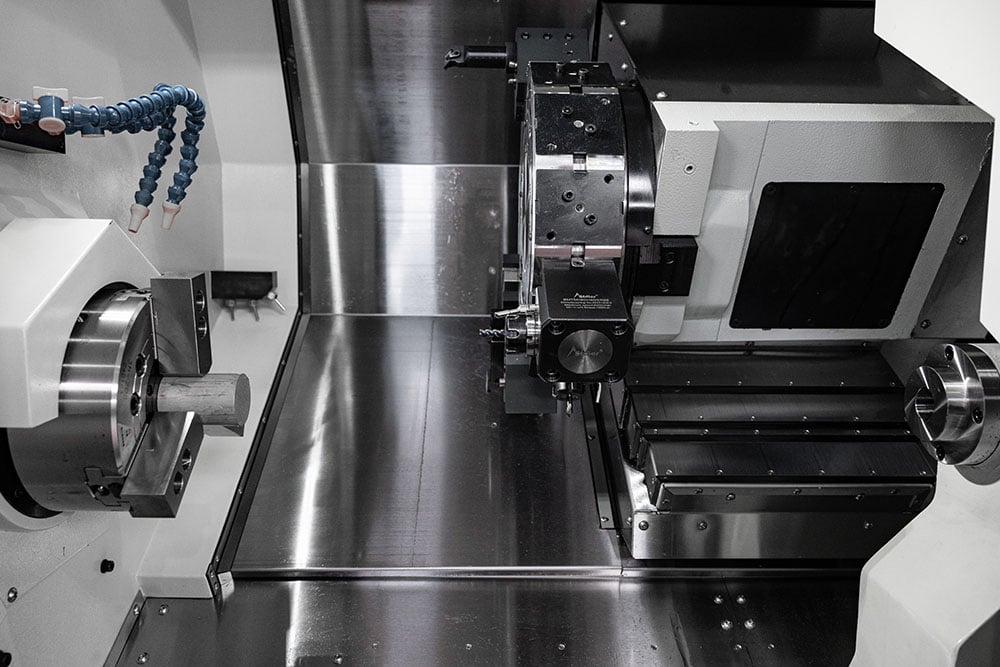
Stainless steel machining demands precision, consistency, and exceptional attention to surface quality. A cnc lathe stands as the cornerstone technology for achieving both superior surface finish and dimensional accuracy on this challenging material. Unlike manual turning or older equipment, a modern cnc lathe combines programmable control, high spindle speeds, and optimized tool paths to deliver results that meet the strictest industrial standards. Whether you're manufacturing medical implants, aerospace components, or pharmaceutical equipment, understanding how a cnc lathe performs on stainless steel is essential for making informed investment decisions.
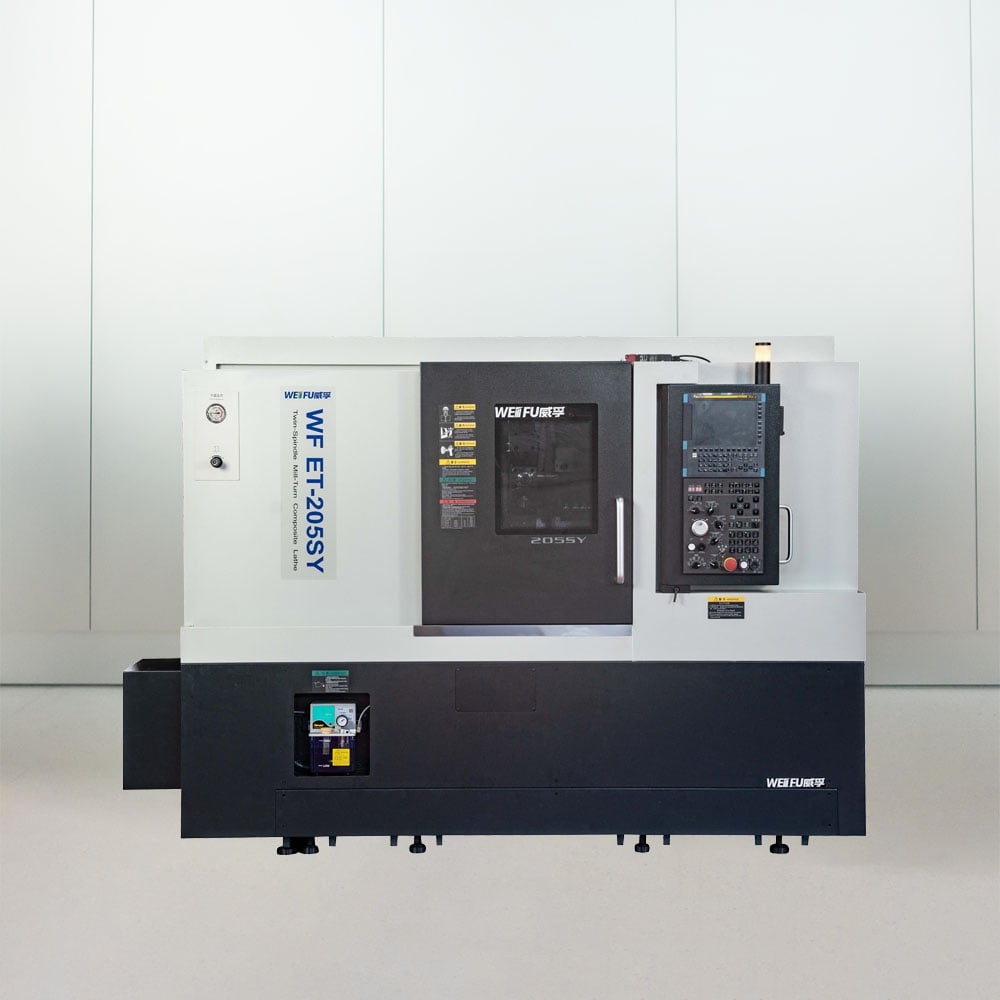
The relationship between machine capability and material behavior directly determines your final part quality. Stainless steel presents unique machining challenges: work hardening, heat generation, and material stringiness require a cnc lathe with sufficient rigidity, thermal stability, and intelligent feed rate management. This guide explores the fundamental mechanisms that enable a cnc lathe to achieve outstanding surface finish and accuracy on stainless steel, the critical factors that influence performance, and the practical strategies that separate premium results from mediocre outcomes.
Understanding CNC Lathe Performance on Stainless Steel
Material Characteristics and Machining Challenges
Stainless steel's austenitic structure creates machining complexity that a standard cnc lathe must address through precision control. The material exhibits low thermal conductivity, which causes heat to concentrate at the tool-workpiece interface rather than dissipating into the part. A capable cnc lathe compensates through optimized spindle speeds, coolant delivery systems, and tool geometry that manages thermal loads effectively. Work hardening represents another critical challenge; as the tool cuts stainless steel, the subsurface material becomes harder and more difficult to machine. Without proper tool path programming and chip evacuation, a cnc lathe may experience tool deflection, chatter, and surface roughness degradation.
Spindle Speed and Surface Quality Correlation
A high-performance cnc lathe achieves superior surface finish by maintaining optimal spindle speed across varying cut depths and material conditions. Higher speeds generally produce finer finishes on stainless steel because they reduce chip thickness and tool pressure per revolution. However, excessive speed without corresponding tool material upgrade leads to thermal breakdown and faster tool wear. A modern cnc lathe features variable frequency drives and adaptive speed control that automatically adjust spindle rotation based on real-time cutting forces. This dynamic approach ensures that your cnc lathe operates within the material's optimal machining window, delivering consistent surface finish even as tool wear progresses incrementally.
Precision Accuracy Mechanisms in CNC Lathe Design
Machine Geometry and Thermal Stability
Achieving dimensional accuracy on a cnc lathe depends fundamentally on machine bed rigidity and thermal behavior. Stainless steel machining generates sustained cutting forces and elevated temperatures that cause differential thermal expansion in the machine structure. A precision cnc lathe employs cast iron or ductile iron beds with high damping capacity to absorb vibration and maintain positioning accuracy. Thermal compensation systems continuously monitor spindle and bed temperatures, automatically adjusting tool offsets to maintain tight tolerances as the machine thermally expands. When a cnc lathe lacks this integration, stainless steel parts often exhibit positional drift: diameters that grow progressively larger as the machine heats up, or length variations that reflect thermal creep in the spindle nose.
Tool Offset Management and Predictive Compensation
Advanced cnc lathe control systems use sophisticated offset logic to maintain accuracy throughout production runs. The system measures tool wear through direct measurement or indirect force-sensing algorithms, then applies compensatory adjustments to keep finished dimensions within specification. When machining stainless steel, a cnc lathe equipped with predictive tool wear monitoring reduces scrap rates by preventing the tool from reaching failure condition. Real-time feedback from cutting force sensors allows your cnc lathe to reduce feed rates automatically when forces exceed safe thresholds, preventing tool breakage and tool deflection that would compromise surface finish. This closed-loop approach transforms a cnc lathe from a semi-automated machine into an intelligent manufacturing partner.
Optimization Strategies for Superior Results
Cutting Fluid Selection and Coolant Delivery
The cutting fluid applied during cnc lathe operation dramatically influences both surface finish and tool life on stainless steel. Synthetic or semi-synthetic fluids with high lubricity reduce friction at the tool-workpiece interface, lowering cutting temperatures and extending tool intervals. A cnc lathe with flood coolant capabilities maintains consistent fluid delivery, preventing thermal shock and built-up edge formation on the cutting tool. Through-spindle coolant delivery in premium cnc lathe designs channels coolant directly to the cutting edge, maximizing heat removal and chip evacuation efficiency. When operating your cnc lathe on stainless steel without adequate coolant management, you sacrifice both part quality and production economics through accelerated tool wear and increased spindle load.
Tool Selection and Insert Geometry Optimization
Matching tool material and edge geometry to your specific stainless steel grade and surface finish requirement is essential for cnc lathe performance. Tungsten carbide inserts with titanium-aluminum-nitride coatings provide superior hardness and thermal resistance compared to uncoated tools, enabling a cnc lathe to maintain sharp edges throughout longer cutting runs. Positive rake angle geometries reduce cutting forces and heat generation, allowing a cnc lathe operator to maximize cutting speeds without sacrificing finish quality. The right tool for your cnc lathe application balances aggressive material removal with surface finish preservation; selecting an insert designed for steel casting when your cnc lathe processes stainless steel creates unnecessary friction, heat, and part defects.
Programming Techniques for Consistency
Modern cnc lathe software enables programmers to embed surface finish optimization directly into machine control logic. Constant surface speed algorithms automatically vary spindle rpm as the tool moves radially, ensuring consistent chip load and surface velocity across the workpiece diameter. Ramping entry strategies employed by advanced cnc lathe programs gradually introduce the tool to full depth, reducing initial shock loads that cause deflection and tool breakage. When your cnc lathe program includes adaptive feedrate adjustment based on cutting force feedback, the machine responds intelligently to material variation, tool wear, and workholding inconsistencies that would otherwise degrade accuracy. A well-structured cnc lathe program transforms machine capability into repeatable, high-quality stainless steel components.
FAQ
What specific spindle speed range produces optimal surface finish on stainless steel with a cnc lathe?
Optimal spindle speed on a cnc lathe for stainless steel typically ranges between 400 and 1200 rpm, depending on workpiece diameter, tool material, and desired finish. Larger diameter workpieces require lower speeds to maintain consistent surface velocity at the tool tip. Carbide-tipped tools on a cnc lathe tolerate higher speeds than high-speed steel, enabling finer chip control and superior surface finish. Always consult material-specific cutting data and your cnc lathe manufacturer guidelines to establish the starting point, then conduct trial runs to confirm optimal parameters for your exact application.
How does a cnc lathe prevent tool deflection when machining stainless steel?
A cnc lathe prevents tool deflection through machine bed rigidity, tool holder stiffness, and cutting force management. Premium cnc lathe designs feature rigid spindle noses and cantilever tool holders that minimize overhang and vibration. Reducing cutting forces through optimized feed rates, proper tool geometry, and adequate coolant application keeps tool loads within safe deflection limits. Advanced cnc lathe controls monitor cutting forces in real time and automatically reduce feed rates if forces exceed thresholds, preventing the deflection that would compromise dimensional accuracy and surface finish on stainless steel components.
Can a cnc lathe achieve sub-micron surface finish on stainless steel?
Yes, a high-precision cnc lathe equipped with rigid spindles, precision tool holders, and advanced cutting strategies can achieve surface finishes below 0.5 micrometers on stainless steel. Achieving such tight surface finish requires optimization across multiple parameters: ultra-fine feed rates, high spindle speeds, premium cutting inserts with micro-edge preparation, and continuous coolant delivery through the spindle. Your cnc lathe's thermal stability and vibration isolation become critical; even minor spindle runout or machine resonance will degrade surface finish quality. Many precision applications demand that your cnc lathe operator verify machine condition regularly and invest in scheduled maintenance to sustain sub-micron capability over extended production runs.

