
 EN
EN
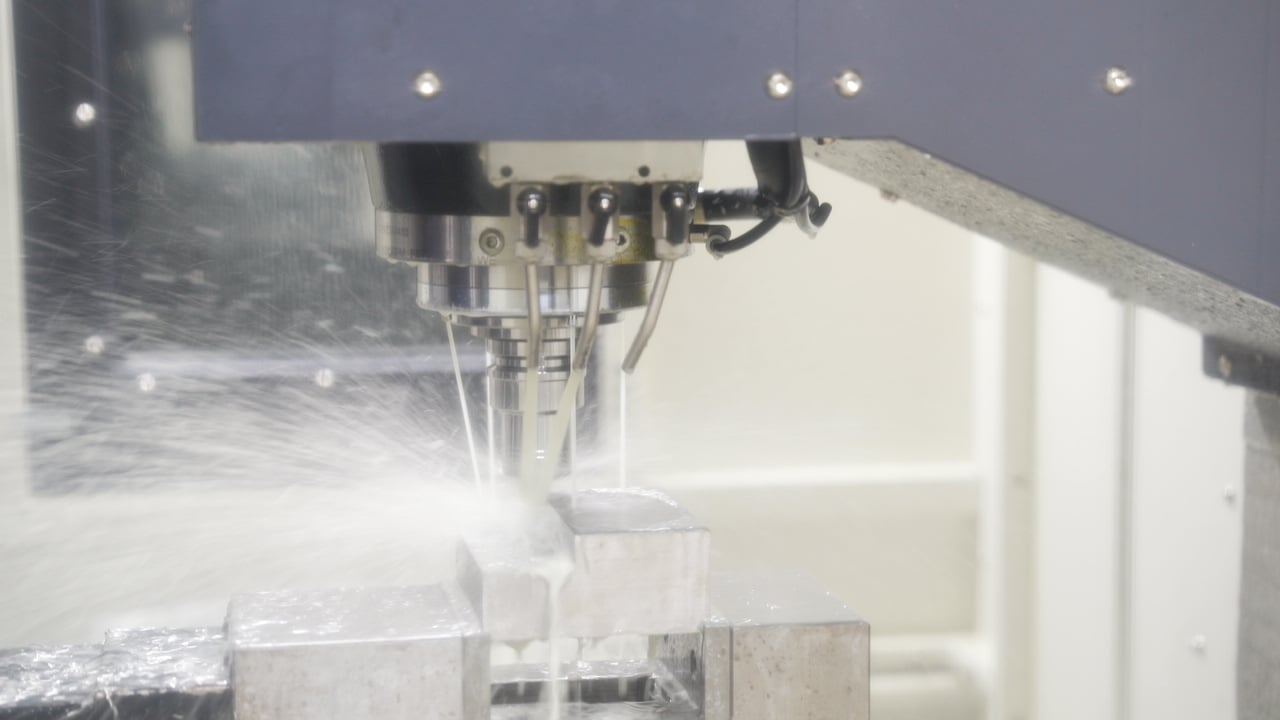
High-volume manufacturing demands precision, speed, and consistency that manual operations simply cannot deliver reliably. An automatic cnc lathe has become essential for industries producing thousands of identical parts monthly, from automotive components to medical devices and industrial fittings. The integration of computer numerical control with automated spindle operation, tool changers, and material handling systems transforms production workflows, dramatically reducing cycle times while maintaining strict dimensional tolerances. For manufacturing managers and production engineers, understanding how an automatic cnc lathe functions and its impact on operational efficiency is crucial for competitive positioning in today's market.
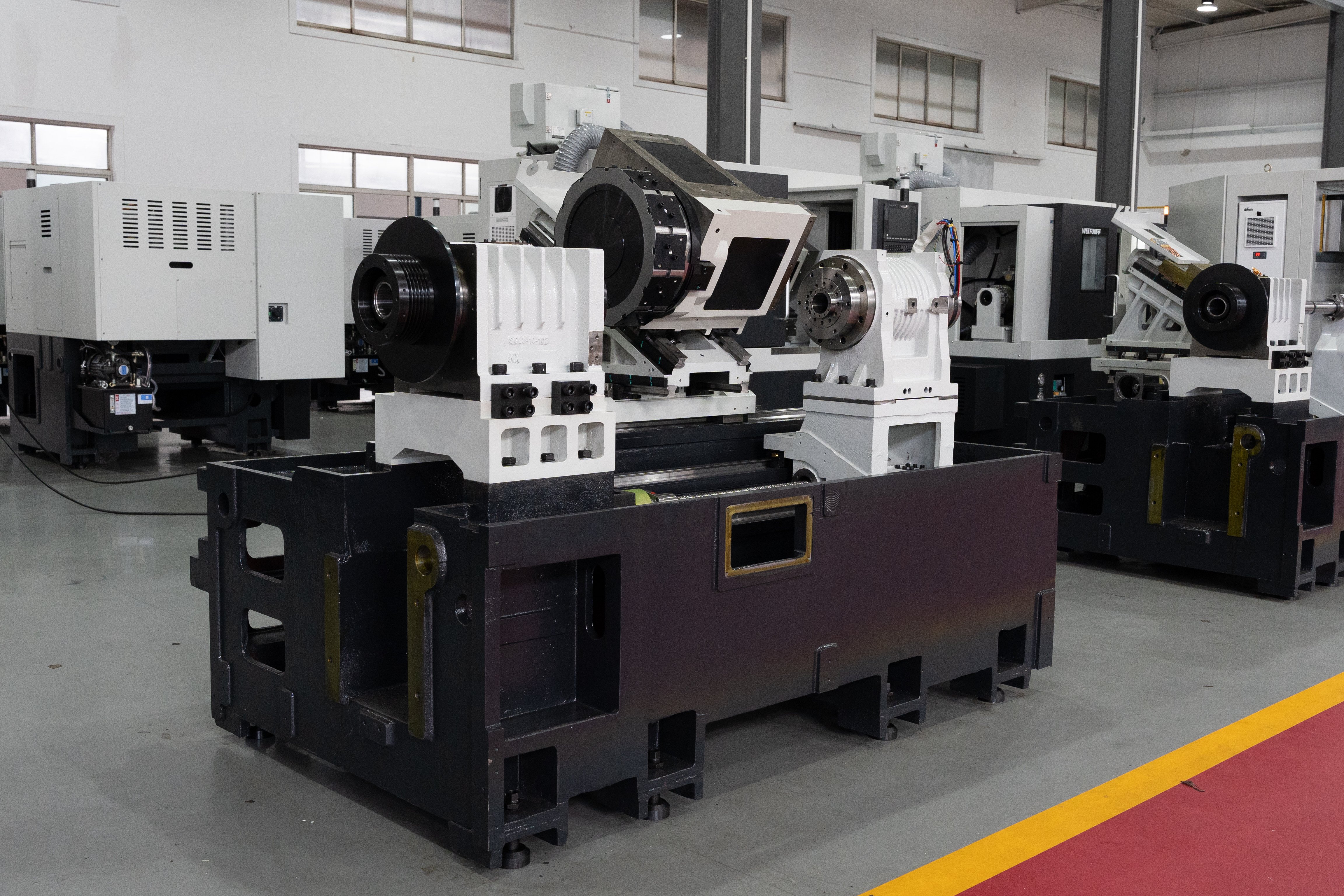
The modern automatic cnc lathe represents a significant evolution from conventional turning machines. Unlike manual lathes requiring constant operator intervention, an automatic cnc lathe operates continuously with minimal human supervision once the program is loaded and the first piece verified. This capability enables facilities to run extended production runs unattended, shift work patterns, and maximize machine uptime—factors that directly translate to lower per-unit costs and faster delivery schedules.
Understanding Automatic CNC Lathe Technology and Core Functions
How an Automatic CNC Lathe Operates in Production
An automatic cnc lathe executes a pre-programmed sequence of cuts, tool movements, and spindle speeds without operator input between part cycles. The machine reads G-code instructions, coordinates multiple axes simultaneously, and applies consistent pressure and feed rates that human operators cannot replicate with precision. Multi-tool turrets on many automatic cnc lathe models allow rapid tool changes—sometimes in under two seconds—eliminating idle time between sequential machining operations. This seamless automation means an automatic cnc lathe can produce 50, 100, or 500 identical parts in the time a skilled operator might manually complete five or ten on a conventional lathe.
Key Mechanical Components That Enable Automation
The architecture of an automatic cnc lathe includes servo motors controlling spindle speed and feed rates, automated tool turrets with pneumatic or hydraulic indexing, work-holding chucks that open and close via program commands, and part ejection systems. Precision ballscrews and linear guides ensure repeatable positioning within micrometers, critical for achieving consistent tolerances across thousands of parts. Many advanced models integrate chip conveyors, coolant management systems, and tool-breakage detection sensors. These subsystems transform the automatic cnc lathe from a simple rotating cutter into a fully coordinated manufacturing cell capable of executing complex multi-step machining sequences without stopping.
Efficiency Gains and Production Impact of Automatic CNC Lathe Systems
Reducing Cycle Time and Labor Requirements
Cycle time reduction is often the most immediately visible benefit of deploying an automatic cnc lathe in high-volume environments. Parts that require thirty minutes of setup and manual handling on a conventional lathe can be processed in three to five minutes on an automatic cnc lathe, including material loading and part removal. A single operator can supervise multiple automatic cnc lathe machines simultaneously, loading material pallets and inspecting finished parts periodically while the machines run independently. This labor multiplier effect means a facility can achieve 5x to 10x productivity gains per employee without requiring proportionally larger staff additions, directly improving gross margins on high-volume contracts.
Achieving Dimensional Consistency and Quality Outcomes
Quality uniformity across thousands of parts is nearly impossible with manual operations, yet an automatic cnc lathe delivers this as standard practice. Computer control eliminates human fatigue, distraction, and inconsistent hand pressure—variables that cause dimensional drift in manual turning. The automatic cnc lathe maintains tool offsets automatically and can be programmed with adaptive feeds that slow cutting speed as tool wear develops, extending tool life while maintaining tolerances. For industries like aerospace, medical devices, and automotive, where even 0.005-inch deviations trigger scrap or rework, this consistency provided by an automatic cnc lathe directly reduces defect rates and waste.
Strategic Implementation and Operational Considerations
Selecting and Configuring an Automatic CNC Lathe for Your Facility
Choosing the right automatic cnc lathe requires matching machine specifications to part geometry, production volume, and material types. Key parameters include spindle speed range, maximum chuck diameter, turret capacity, and accuracy class ratings. A high-speed automatic cnc lathe suited for small aluminum components may not handle heavy steel forgings efficiently, and an oversized machine on low-volume work represents capital waste. Consultation with equipment vendors and production engineers ensures the selected automatic cnc lathe aligns with current and anticipated near-term business needs. Investment in the correct automatic cnc lathe also influences training timelines, maintenance procedures, and spare parts availability.
Program Development and Setup Efficiency
Programming an automatic cnc lathe involves translating part drawings into G-code using CAM software, then simulating the toolpath to verify correctness before running production. Modern CAM packages significantly accelerate this process, often generating automatic cnc lathe programs from 3D models in minutes rather than hours. First-piece setup still requires operator verification and minor offset adjustments, but once approved, the program can run thousands of parts without modification. Documentation practices and version control become important as the automatic cnc lathe program library grows, preventing costly mistakes when retrieving old programs for repeat orders.
FAQ
What makes an automatic cnc lathe different from a standard CNC lathe?
A standard cnc lathe requires an operator to load material, position tools, and monitor each cycle actively. An automatic cnc lathe includes integrated material handling, automated tool indexing, and continuous operation logic that allows unattended production runs. The automatic cnc lathe also typically features faster tool-change systems, part ejection mechanisms, and coordinated spindle control that traditional machines lack, enabling the true automation that defines its class.
How much labor cost reduction can an automatic cnc lathe achieve?
Labor cost reduction depends on part complexity, lot sizes, and material type, but many manufacturers report 40–60% reduction in direct labor per unit when transitioning from manual turning to an automatic cnc lathe. Because one operator can monitor multiple automatic cnc lathe machines, the facility headcount may remain flat even as production volume doubles. Actual savings vary by application, but the automatic cnc lathe typically pays for itself within two to five years through labor and material efficiency alone.
What types of parts are best suited for automatic cnc lathe production?
Parts requiring consistent geometry, tight tolerances, and volume production of 500+ units are ideal for an automatic cnc lathe. Applications include automotive fasteners and shafts, medical device components, cnc lathe operations for industrial connectors, and precision spindle parts. Custom one-off or low-volume jobs may not justify the programming time and setup investment of an automatic cnc lathe, making hybrid manual-cnc workflows more economical for those cases.

