
 EN
EN
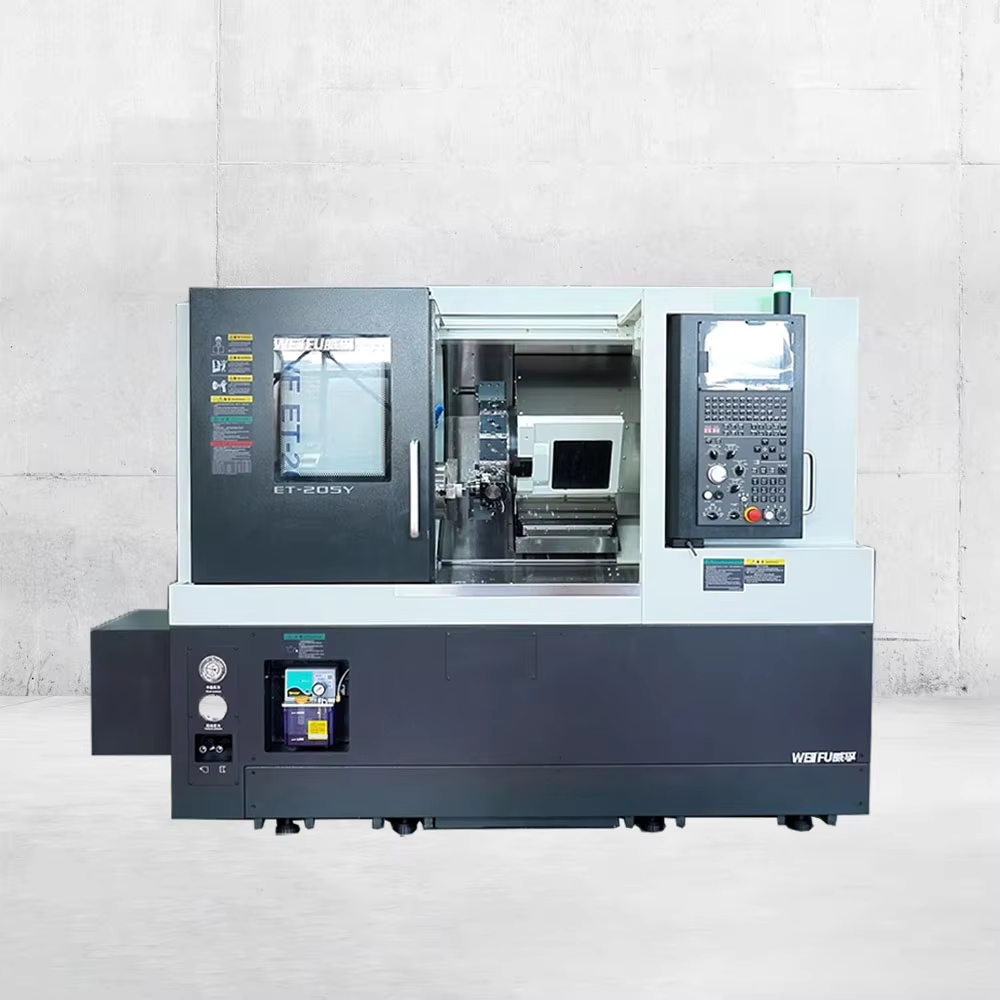
What Is Computer Numerical Control (CNC)?
CNC stands for Computer Numerical Control, basically a manufacturing method where software tells cutting tools exactly what to do when shaping raw materials into final products. Manual machining requires constant human oversight, but CNC machines work differently. They take those CAD designs created on computers and run them through CAM software which translates all those fancy 3D shapes into actual numbers and coordinates the machine can understand. The result? Amazing precision levels around plus or minus 0.005 millimeters. That kind of accuracy matters a lot in fields where getting things right is absolutely critical, think aerospace components or medical device parts where even tiny errors could cause big problems down the line.
The Role of Automation in CNC Machine Operation
Modern CNC systems deploy three layers of automation:
- Servo motors adjust tool positioning 1,000 times per second using rotary encoders
- Automatic tool changers swap over 30 cutting tools in under five seconds
- In-process sensors detect deviations as small as 2 microns and trigger self-correction
This closed-loop system reduces human intervention by 90% compared to conventional milling while supporting continuous 24/7 production.
How CNC Machines Interpret G-Code and Execute Commands
CNC machines follow G-code instructions such as G01 X50 Y30 F200 (linear feed move) or M03 S8000 (spindle activation). The controller converts these commands into electrical pulses that:
- Position tools with 0.002 mm accuracy via ball screw actuators
- Synchronize 5-axis movements at feed rates up to 40 m/min
- Maintain spindle torque within 1% of target values during hard-metal cutting
Advanced machines now parse APT (Automatically Programmed Tool) language to optimize toolpaths in real time, reducing machining errors by 72% on complex geometries.
Key Components That Power CNC Machine Precision and Performance
Main Structural Elements: Frame, Spindle, and Motion Axes
CNC machines get their accuracy mostly from how solid they're built. Frames made from cast iron or steel help reduce vibrations when running at top speed, something really important for maintaining quality work. The motion system along those X, Y, Z axes needs to be ground with extreme care so parts come out consistently accurate down to tiny fractions of a millimeter. Spindles spin the cutting tools incredibly fast, sometimes over 20 thousand revolutions per minute, but they still need to stay stable even when pushing through tough materials. Without proper thermal management, heat buildup causes metal components to expand slightly, leading to tolerance issues that creep in about 15 microns every single hour if left unchecked. That kind of drift adds up quickly in production environments where consistency matters most.
Control Systems, Servo Motors, and Drive Technology
Modern CNC machines rely on closed loop control systems to execute commands accurately. When it comes down to it, these systems use servo motors along with optical encoders that can detect and correct tiny axis deviations - sometimes as little as just one micron - while the machine is actually running. What makes things even better is linear motor drive tech, which gets rid of all that pesky mechanical backlash. This means machines can accelerate at rates exceeding 2G without losing their positional accuracy. All these parts need to communicate properly with the main CNC controller though. This brain of the operation handles thousands upon thousands of G-code instructions every single second, making sure complex multi-axis movements happen exactly how they should during machining operations.
Tooling, Workholding, and In-Process Sensing for Accuracy
Getting good precision isn't just about having a top notch machine. The right tooling and how parts are fixed in place matters too. When shops use hydraulic or shrink fit tool holders, they can get runout down below 3 microns which keeps cutting tools properly aligned. For workholding, modular options like vacuum chucks and those zero point pallet systems distribute pressure evenly across the workpiece so nothing gets warped during machining. Shops that install in process inspection systems with probes and lasers have found something interesting happening. These automated checks catch mistakes while operations are still running, not after the fact. Some manufacturers report their scrap rates drop around 60 percent when switching from old school manual inspections to these smart monitoring systems. Makes sense really since finding problems earlier means fewer wasted materials and time.
Types of CNC Machines and Their Industrial Applications
CNC Lathes vs. Milling Machines: Functionality and Use Cases
In precision manufacturing shops, CNC lathes and milling machines each have their own specialty areas. With lathes, what happens is the workpiece spins around while cutting tools stay put, which works great for things shaped round like machine shafts, those metal bushings we all know, and parts for hydraulic systems too. On the other hand, milling machines do something different they spin the cutting bits while keeping the material still, allowing machinists to create intricate parts from simple gears right up to complicated engine blocks and even specialized brackets needed in aerospace applications. According to industry data from last year's manufacturing report, about 62 percent of car prototype work gets done on milling machines because they can move in multiple directions so easily. Meanwhile, when it comes to making surgical implants for bones, most manufacturers rely heavily on lathes for around 78% of their tooling needs.
Laser Cutters, Routers, and Electrical Discharge Machining (EDM)
Specialized CNC tech goes beyond traditional cutting methods to tackle unique manufacturing challenges. Take laser cutters for instance they can get down to micron level detail when working with both metal and plastic parts, something that's absolutely necessary for making those intricate aircraft panels and delicate electronic components found in cars. Wood routers are another story entirely these machines work best with softer materials and create all sorts of detailed wooden pieces from signs to scale models used in architecture firms. Then there's EDM Electrical Discharge Machining which might sound complicated but basically involves using tiny sparks to wear away at super hard metals. This process is indispensable for creating things like turbine blades and complex injection molds. The numbers back this up too some aerospace companies have seen their die production time drop by around 40% when switching to wire EDM instead of older techniques.
Multi-Axis CNC Systems: Expanding Beyond 3-Axis Machining
Five axis CNC machines take away the hassle of manually repositioning parts because they can tilt both tools and workpieces at the same time. This makes all the difference when working on complicated shapes such as impeller blades or those tricky prosthetic joints. According to research published last year, these five axis systems hit about 97 percent accuracy right off the bat for making aerospace wing ribs, while traditional three axis machines only manage around 82 percent. And there's even more advanced stuff happening now with Swiss style lathes that have seven axes. These bad boys really boost efficiency for tiny components, shaving nearly half an hour off the machining time needed for medical catheters in some cases.
Applications in Aerospace, Automotive, and Medical Device Manufacturing
- Aerospace: 7-axis CNC mills fabricate fuel nozzles from nickel alloys capable of withstanding jet engine conditions.
- Automotive: Robotic CNC cells produce EV battery housings with 0.02 mm flatness tolerances.
- Medical: Hybrid CNC-EDM systems create titanium spinal implants with porous surfaces designed for bone integration.
Industry 4.0 adoption has increased CNC utilization in these sectors by 31% since 2021, driven by ISO 13485-compliant workflows ensuring traceability in surgical instrument production.
CAD/CAM Integration and CNC Programming Workflow
From Concept to Code: The Role of CAD in CNC Machining
CNC manufacturing today depends heavily on getting CAD and CAM systems to work together smoothly so we can turn design concepts into actual machine work. The process starts when engineers build those detailed 3D models using CAD programs, making sure all the measurements are right, setting acceptable tolerances, and picking out the materials that will be used. Then comes the CAM software which takes those digital blueprints and converts them into G-code commands. It looks at different parts of the model like hollow areas, grooves, and curved surfaces to figure out how the machine should cut everything. With parametric modeling techniques, designers can tweak their original CAD drawings and watch as the CAM system updates the tool paths automatically. Some shops report around a 30% drop in programming mistakes since switching from old school methods. For most manufacturers, this whole workflow means better control over cutting speeds and feeds, which keeps quality consistent even when running large batches of parts.
Future Trends: Smart CNC Machines and Industry 4.0 Integration
IoT-Enabled CNC Machines for Real-Time Monitoring
Modern CNC machines now come equipped with IoT sensors that gather information about things like temperature changes, machine vibrations, and how worn down tools get during operation. The fact that these machines are connected allows manufacturers to keep track of what's happening in real time while they're running. This helps spot problems before they become big headaches and catch those little inefficiencies that slowly eat away at productivity. Take spindle torque for example. When IoT systems detect something off with the torque levels, they can actually make automatic corrections without human intervention. Some factories report cutting their scrap rates down around 20 to 25 percent after implementing these smart monitoring solutions, which makes a huge difference when dealing with large scale manufacturing operations where even small improvements translate into significant cost savings over time.
AI and Machine Learning for Predictive Maintenance and Optimization
Artificial intelligence looks at both past records and real time information from CNC machines to spot when parts might fail long before they actually break down. According to research published last year, factories implementing these smart maintenance systems saw their unexpected stoppages drop by around 37% in car manufacturing settings. The same technology isn't just about predicting problems though. It actively adjusts how machines work during operation too. Speeds get tweaked, feeding rates change slightly, and how deep tools cut into materials is modified on the fly. These small changes mean tools last almost 18% longer while production cycles shrink by roughly 12%, all without affecting product quality standards.
The Road to Autonomous Factories and Cloud-Based CNC Control
These days, cloud platforms are collecting all sorts of information from CNC machines connected throughout manufacturing sites around the world. This setup allows companies to monitor product quality from one central location and tweak production processes remotely when needed. As factories become more automated, they're combining edge computing technology that makes quick decisions on site with cloud services that provide big picture analysis. Some manufacturers who have implemented this system already see their order processing time drop by about 29 percent and energy usage go down roughly 15 percent. These improvements are helping set the stage for completely unmanned machining operations where humans aren't required to be present during actual production runs.
FAQ
What is CNC?
CNC stands for Computer Numerical Control, a manufacturing method where software directs cutting tools to shape raw materials into final products with precision.
How do CNC machines achieve precision?
Precision is achieved through the use of solid built frames, high-speed spindles, motion systems ground with extreme care, and in-process sensors and checks that ensure accuracy.
What are the applications of CNC machines?
CNC machines are used in aerospace to fabricate fuel nozzles, in automotive to produce EV battery housings, and in medical device manufacturing for creating spinal implants.
How does IoT benefit CNC operations?
IoT-enabled CNC machines allow real-time monitoring, which helps spot problems early and reduces scrap rates significantly, leading to cost savings and productivity improvements.
What is the future trend in CNC technology?
The future trend involves integrating AI, machine learning, and IoT to optimize operations, predict maintenance needs, and enabling automated factories using cloud-based CNC control.
Table of Contents
- What Is Computer Numerical Control (CNC)?
- The Role of Automation in CNC Machine Operation
- How CNC Machines Interpret G-Code and Execute Commands
- Key Components That Power CNC Machine Precision and Performance
- Types of CNC Machines and Their Industrial Applications
- CAD/CAM Integration and CNC Programming Workflow
- Future Trends: Smart CNC Machines and Industry 4.0 Integration
- FAQ

