
 EN
EN
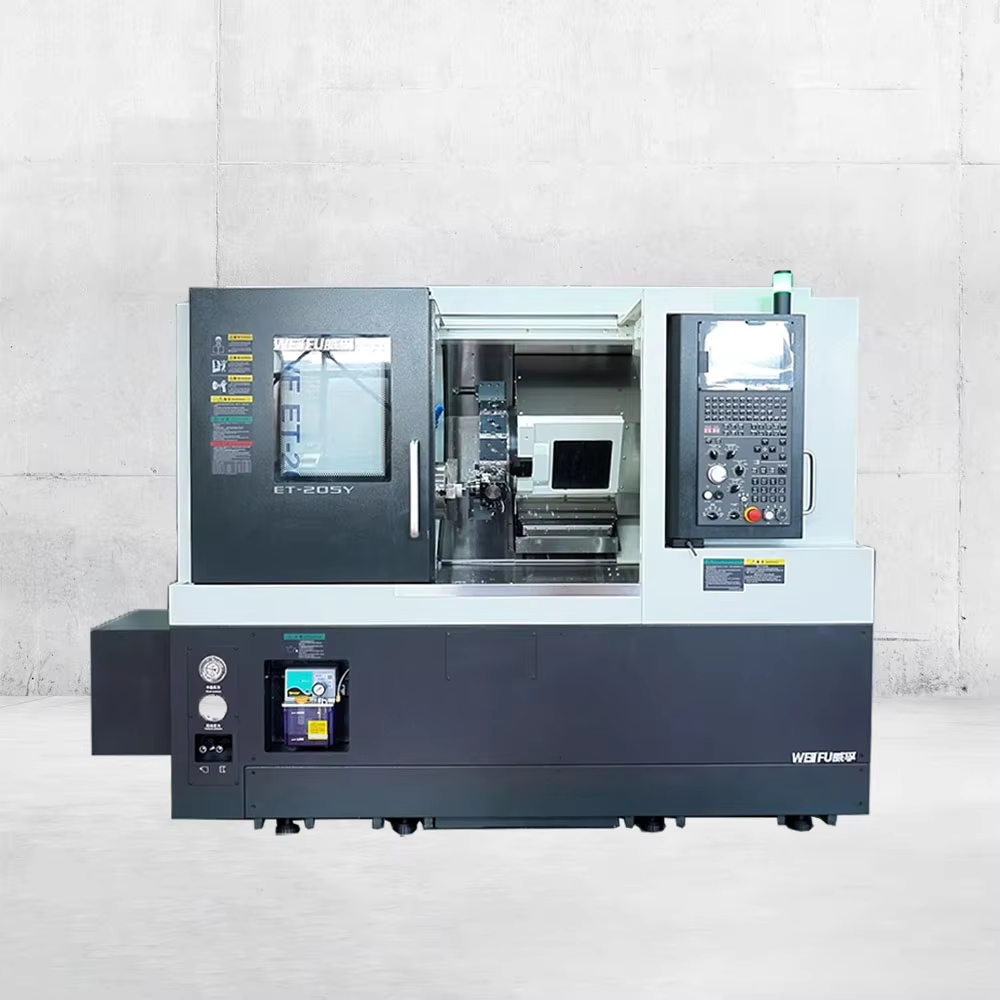
High Precision and Dimensional Accuracy in CNC Cutting
Understanding CNC Machining Precision and Its Impact on Quality
Computer Numerical Control or CNC machines get really close to perfect measurements because they use computer controlled paths and feedback while running. What makes these systems so good is that they basically take out the guesswork from human operators when things like tools getting worn down or different material hardness comes into play. A recent look at how accurate CNC machines are shows that today's 5 axis models can keep parts within about plus or minus 0.01 millimeters even after making hundreds of copies. This kind of tight control matters a lot in industries where tiny differences count, like building airplane parts or creating medical implants where every fraction of a millimeter matters for safety and function.
Tight Tolerances and Precision Cutting in Modern Manufacturing
CNC cutting delivers surface finishes as smooth as 0.4 µm Ra (roughness average), exceeding the quality of traditional grinding methods. This level of precision allows manufacturers to:
- Produce seamless interlocking parts without post-machining finishing
- Reduce friction in rotating assemblies by 22% (Journal of Manufacturing Systems, 2023)
- Achieve 99.8% first-pass yield rates in high-volume production
Comparative Analysis: CNC vs. Manual Machining Accuracy
Manual machining often exhibits ±0.25 mm deviations even with skilled operators, while CNC systems provide superior consistency:
| Metric | CNC Machining | Manual Machining |
|---|---|---|
| Dimensional consistency | 98.4% | 89.1% |
| Batch-to-batch variance | ±0.015 mm | ±0.12 mm |
Data Insight: Over 98% Dimensional Consistency in CNC-Machined Parts
Industry data shows that CNC machines achieve 98.7% dimensional compliance across 1.2 million sampled parts (Precision Machining Association, 2024). This reliability is enabled by closed-loop control systems making over 400 micro-adjustments per second to compensate for thermal expansion and vibration.
Is Ultra-High Precision Always Necessary? Balancing Needs and Costs
While CNC can achieve ±0.005 mm tolerances, only 34% of commercial applications require this level of precision. Key considerations include:
- Performance needs: Hydraulic systems demand tighter tolerances than furniture hardware
- Cost implications: Achieving ±0.01 mm increases machining costs by 60% compared to ±0.05 mm
- Material factors: Aluminum typically holds tighter tolerances (±0.008 mm) than stainless steel (±0.015 mm)
For non-critical components, ISO 2768 medium tolerances (±0.1–0.5 mm) can reduce production costs by 18–32% without compromising functionality.
Consistent, Repeatable Results in Mass Production
Repeatability and Consistency in Part Production Across Batches
Modern CNC machines deliver positional repeatability within ±0.002 mm, thanks to automated toolpath execution and closed-loop feedback systems that continuously monitor cutting parameters. A 2023 analysis by the Association for Manufacturing Technology found that advanced CNC systems reduce batch-to-batch variability by 92% compared to conventional methods.
Key technologies enabling consistency include:
- Real-time compensation for tool wear via laser measurement systems
- Standardized digital workflows eliminating manual measurement errors
- Modular fixturing ensuring identical workpiece positioning
Automated CNC processes achieve 99.2% dimensional consistency in high-volume production (Precision Engineering Journal, 2023), making them essential for aerospace and medical device manufacturing.
How CNC Ensures Uniform Product Quality Without Human Variance
By converting design instructions into machine-readable G-code, CNC systems remove operator-dependent variables. Servo motors with 0.0001° rotational accuracy ensure consistent cutting across shifts, while automated tool changers maintain uniform machining conditions. As a result, automotive manufacturers report a 75% reduction in quality control rejects after implementing CNC lathes (Automotive Production Quarterly, 2023).
Case Study: Automotive Component Replication Using CNC Lathes
A Tier 1 auto parts supplier achieved 100% interchangeability across 1.2 million transmission components using CNC automation. Their process improvements included:
| Metric | Manual Machining | CNC System | Improvement |
|---|---|---|---|
| Dimensional tolerance | ±0.05 mm | ±0.01 mm | 400% |
| Production rate | 85/hr | 220/hr | 159% |
| Tooling change time | 47 minutes | 8 minutes | 83% |
This shift reduced rework costs by $1.7 million annually and supported just-in-time delivery to assembly lines.
Enhanced Efficiency Through Automation and Advanced Capabilities
Efficiency Optimization in CNC Milling Through Advanced Toolpath Algorithms
AI-driven toolpath algorithms reduce machining time by up to 30% compared to conventional programming (CIRP, 2023). These systems analyze material properties, tool wear, and machine kinematics in real time. Adaptive roughing techniques, for example, maintain optimal tool engagement to minimize idle motion and prevent overload.
High-Speed Machining and Multi-Axis Capabilities Boosting Output
5-axis CNC systems achieve 87% faster material removal than 3-axis machines due to continuous simultaneous motion (ASME, 2023). Complex parts like turbine blades can now be machined in a single setup instead of six separate operations. High-speed spindles (15,000–60,000 RPM) with ceramic bearings further boost efficiency, especially in aluminum and composite materials.
| Automation Technique | Productivity Gain | Error Reduction |
|---|---|---|
| AI-optimized toolpaths | 22–38% | 41% |
| Robotic part loading/unloading | 27% | 92% |
| Predictive maintenance | 18% less downtime | 67% |
Automation and Efficiency in CNC Machines Reducing Downtime
Automated tool changers with capacities exceeding 120 tools enable lights-out manufacturing, achieving 95% operational uptime in automotive production (IMTS, 2023). Closed-loop feedback maintains ±0.005 mm accuracy over 72-hour runs by compensating for thermal drift. Leading manufacturers report 34% lower per-part costs through uninterrupted scheduling.
Trend: Integration of AI for Predictive Maintenance in CNC Systems
AI-powered vibration analysis predicts spindle failures up to 80 hours in advance with 93% accuracy (Industrial Automation Study). This reduces unplanned downtime by 62% compared to calendar-based maintenance. Edge computing processes sensor data locally, enabling real-time adjustments that improve energy efficiency by 19% in high-power machining centers (Hyperautomation Research).
Cost-Effectiveness of CNC Cutting: Waste Reduction and Labor Savings
Advantages of CNC Cutting Over Traditional Machining: Waste and Labor Metrics
When it comes to material waste, CNC cutting cuts down on scraps by around 60 percent thanks to those super accurate paths the tools follow plus automatic corrections when something goes wrong. Old school techniques typically leave behind about 5 to 10% waste because measurements just aren't as spot on. But with good CNC workflow management, we're seeing waste drop under 2%. The savings don't stop there either. One person working the floor can actually handle several CNC machines at once. That means big savings on labor costs too. Instead of paying extra for specialized techs to run everything manually, shops report saving between $15 and $20 each hour they operate these advanced systems.
Cost-Efficiency Gains from Reduced Scrap Rates in High-Volume Runs
When it comes to mass production runs, CNC machining really starts to show its value proposition. According to recent industry reports from Ponemon Institute back in 2023, car makers who made the switch to CNC systems for making engine parts saw around seven hundred forty thousand dollars saved each year. The software behind these machines is pretty smart stuff too. These advanced nesting programs can squeeze out way more usable material from sheets of metal compared to old fashioned hand laid-out patterns, reducing waste by about a third. This matters a lot in sectors like aerospace where they use those special metals that run anywhere between eighty to one hundred twenty bucks per pound. Every bit of scrap reduction translates directly into bottom line improvements for companies working with such expensive materials.
Industry Paradox: High Initial Investment vs. Long-Term ROI in CNC Machines
CNC systems definitely come with a hefty price tag ranging from around $150k to over half a million dollars initially. But according to AMT's 2023 report, most manufacturers actually get their money back within just three years thanks mainly to cutting down on wasted materials and saving on labor costs. Take for instance one mid level fabrication shop that makes about 10 thousand aluminum components each year. They managed to save nearly $28k worth of raw materials simply because they stopped making those annoying manual mistakes. And when companies start adding in some kind of predictive maintenance AI into the mix, things get even better. McKinsey reported in 2024 that these smart systems can cut unexpected downtime by almost a quarter. That means machines last longer and bottom lines look healthier too.
FAQ
What is the main advantage of using CNC machines over manual machining?
CNC machines offer superior precision and consistency in production, reducing human error and achieving tighter tolerances which are essential in industries such as aerospace and medical device manufacturing.
How do CNC machines contribute to cost savings?
CNC machines reduce material waste by ensuring more accurate cuts and allow fewer labor costs since one operator can manage multiple machines, significantly lowering operational expenses.
Are CNC machines suitable for all manufacturing needs?
While CNC machines provide high precision, they are not always necessary for all applications. Only about 34% of commercial applications require ultra-high precision, and manufacturers need to weigh the cost against the performance needs.
How does AI integration benefit CNC systems?
AI integration in CNC systems enables predictive maintenance, which minimizes downtime by predicting spindle failures, reduces unexpected maintenance, and improves energy efficiency.
What are the initial costs involved with CNC systems, and are they justified?
The initial investment for CNC systems is significant, ranging from $150,000 to over half a million dollars. However, these costs are justified through reduced material waste, labor savings, and increased efficiency, often recouping the investment within three years.
Table of Contents
-
High Precision and Dimensional Accuracy in CNC Cutting
- Understanding CNC Machining Precision and Its Impact on Quality
- Tight Tolerances and Precision Cutting in Modern Manufacturing
- Comparative Analysis: CNC vs. Manual Machining Accuracy
- Data Insight: Over 98% Dimensional Consistency in CNC-Machined Parts
- Is Ultra-High Precision Always Necessary? Balancing Needs and Costs
- Consistent, Repeatable Results in Mass Production
- Enhanced Efficiency Through Automation and Advanced Capabilities
- Cost-Effectiveness of CNC Cutting: Waste Reduction and Labor Savings
- FAQ

