
 EN
EN
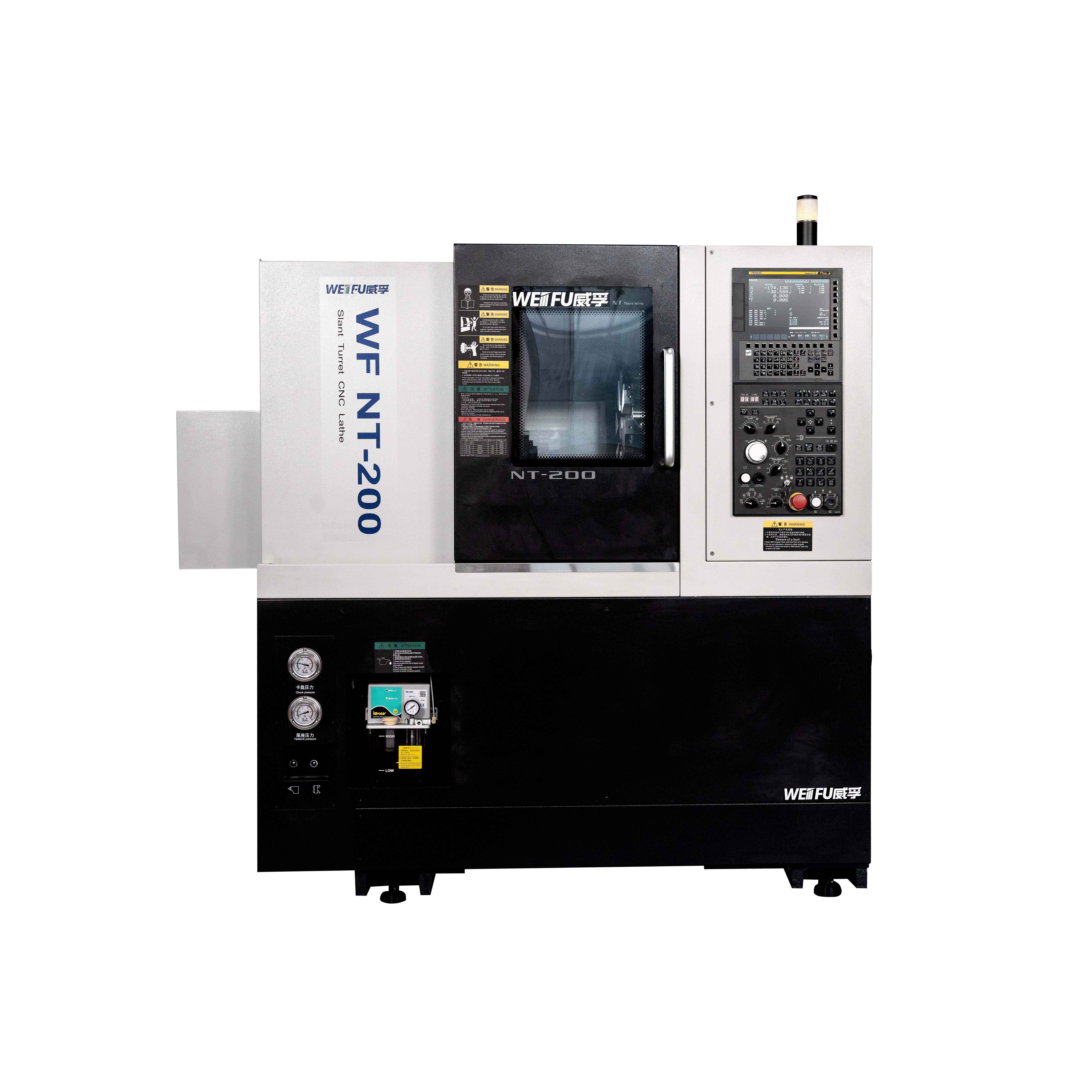
Understanding Precision CNC Machining and Its Impact on Part Quality
CNC machining combines computers with sophisticated tools to create parts that can be accurate down to just 0.005 mm or so. Such precision means every piece made is almost identical to the last one, which matters a lot when building complicated things like airplane parts, medical equipment, and car engines. Take fuel injectors for example. When these are machined using CNC technology, they tend to keep their flow rates pretty much the same throughout large batches of around 10,000 units. This consistency helps engines run better and actually cuts down on pollution too. Manufacturers really value this kind of reliability because it saves money in the long run while still meeting strict quality standards.
How High Accuracy and Consistency Redefine Modern Manufacturing Standards
Moving from old school manual machining with about ±0.1 mm tolerances to modern CNC technology that achieves around ±0.025 mm precision (as seen in HD Proto's 2025 models) has really changed the game. For instance, car manufacturers now see roughly 87% fewer problems needing fixes after putting together transmission parts. Orthopedic implant makers report their products last about 62% longer than before, which is huge for patients. And in aviation, the first attempt success rate for making turbine blades jumped to nearly 94%. These kinds of improvements mean we're no longer just talking about theoretical perfection in manufacturing. Industries where even small errors can be catastrophic are actually starting to reach those near-flawless production standards day in and day out.
Typical Tolerance Levels and Measurable Accuracy in CNC Machining
| Conventional Machining | Precision CNC Machining | |
|---|---|---|
| Standard Tolerance | ±0.1 mm | ±0.025 mm |
| Surface Finish (Ra) | 3.2 μm | 0.4 μm |
| Positional Accuracy | ±0.05 mm | ±0.005 mm |
These enhancements allow components such as ABS sensor rings to maintain ±0.002 mm radial runout, ensuring reliable performance in vehicle safety systems.
Case Study: Automotive Components Produced With Unmatched CNC Precision
One major automotive parts manufacturer switched to 5-axis CNC machining when producing motor housings for electric vehicles. The results? About 23% fewer issues with bearing seat concentricity, around 15% better thermal stability overall, and an impressive 99.4% success rate on coolant channel leak tests. Switching over saved them roughly $2.8 million each year in warranty costs according to Yicen Precision data from 2025. These kinds of numbers show just how much difference investing in precise manufacturing can make both financially and operationally for companies making high performance components.
Repeatability and Consistency in High-Volume CNC Production
Why Repeatability Is Critical for Industrial-Scale CNC Operations
For sectors such as aerospace engineering and medical equipment production, getting consistent results every single time isn't just important it's absolutely essential. When parts don't match exactly over thousands of manufacturing runs, that can lead to serious problems down the line. According to recent industry data from the 2024 Precision Manufacturing Report, computer numerical control automation cuts down on process inconsistencies by roughly 92 percent when compared with traditional hands-on approaches. The automotive sector has seen real benefits too many original equipment manufacturers have noticed their assembly lines stopping less frequently once they brought in these highly repeatable CNC setups. This improvement makes a big difference for how dependable the entire supply network becomes, which matters a lot when trying to meet tight deadlines without compromising quality standards.
Minimizing Human Error Through Automated CNC Machining Processes
Computer numerical control machines basically take humans out of the equation when it comes to actual machining work, thanks to those pre-programmed paths and sensors that constantly monitor what's happening. The machines come equipped with things like automatic tool calibration and these fancy closed loop systems that keep everything within spec even when running non stop. Take for instance a company making thousands of screws every day - they saw their defect rate drop by almost four fifths after switching to CNC. And there's another bonus too. These systems automatically adjust as tools start wearing down, so parts don't slowly get out of spec over time like they used to with manual setups.
Statistical Insight: Defect Rate Reduction After CNC Implementation
According to data collected from around 850 different manufacturing facilities, companies that implement CNC technology typically see their defect rates drop by about 63 percent according to NIST research from 2023. Take one electronics manufacturer for example who managed to get their defect rate down to just 0.12% when making tiny components. That's actually nine times better than what they could achieve manually. The reason behind these impressive numbers? CNC machines perform repetitive tasks consistently, maintaining tolerances within plus or minus 0.001 inches even when producing massive batches of over 100 thousand units. Traditional methods simply can't match this level of precision and reliability.
Key Consistency Metrics in CNC Production
| Metric | Manual Machining | CNC Automation |
|---|---|---|
| Dimensional variability | ±0.005" | ±0.001" |
| Defect rate | 2.1% | 0.5% |
| Batch-to-batch consistency | 85% | 99.8% |
This performance enables manufacturers to meet stringent quality standards such as ISO 9001 and AS9100 with greater confidence.
Cost-Effectiveness of CNC Machines in Long-Term Manufacturing
Breaking Down Operational Cost Savings with CNC Technology
CNC systems reduce material waste by 32% through optimized cutting paths and nesting algorithms (BLS 2024). Their ability to maintain ±0.001" tolerances consistently minimizes scrap—even in complex geometries—while energy-efficient operation lowers power consumption per unit produced.
Labor Cost Reduction: CNC Machines vs. Traditional Machining Methods
When it comes to cutting down on direct labor expenses, automated workflows have made quite an impact according to industry reports from 2024 showing around a 40% reduction. Think about it this way one person can now watch over several machines at once instead of needing someone dedicated to each machine. What makes all this possible? Well for starters there's less demand for highly trained personnel since most monitoring is handled automatically. Plus factories can run nonstop day after day without worrying about shift rotations disrupting production schedules. And let's not forget about those automatic calibrations which save tons of time during setup processes maybe somewhere around two thirds faster than before. Take automotive parts manufacturing as just one case study where companies saw their labor costs drop dramatically when they switched to CNC technology. The price tag went from roughly eighteen dollars seventy cents per unit down to nine bucks twenty cents over about eighteen months give or take depending on specific circumstances.
Reducing Overhead Through Improved Efficiency in CNC Operations
CNC technology enhances operational efficiency across key areas:
| Efficiency Factor | Traditional Machining | CNC Improvement |
|---|---|---|
| Changeover Time | 120 minutes | 22 minutes |
| Energy Use/Hour | 8.4 kW | 5.1 kW |
| Maintenance Costs | $18.50/hr | $9.80/hr |
Source: DoE Manufacturing Efficiency Report 2023
Balancing Upfront Investment and Long-Term ROI in CNC Automation
Despite initial costs ranging from $85,000 to $250,000, 73% of manufacturers recover their investment within 3.2 years due to 19–26% higher machine utilization, 34% faster production cycles, and 62% lower quality control expenses. SWM Engineering's ROI analysis projects $2.14M in cumulative savings over five years for mid-sized aerospace suppliers using multi-axis CNC centers.
Accelerating Production Cycles with Advanced CNC Technology
How CNC Enables Faster Production Cycles and Shorter Time-to-Market
Modern CNC machines achieve 40% faster cycle times than manual methods, thanks to software-optimized tool paths and minimized idle movements. Automated tool changers and multi-axis coordination cut setup times by 65% (2024 manufacturing efficiency study), enabling uninterrupted 24/7 production while maintaining ±0.005 mm tolerances at high speeds.
Maintaining Quality Control During Rapid, High-Volume CNC Runs
Integrated inspection systems perform real-time dimensional checks on every part during machining. Vibration-dampening spindles and thermal compensation modules prevent deviations under high-speed conditions, supporting first-pass yield rates above 99.2% in automotive production. Closed-loop feedback adjusts cutting parameters automatically when tool wear or material inconsistencies are detected.
Emerging Trend: AI-Driven Scheduling Enhancing CNC Manufacturing Efficiency
When machine learning gets to work on past data, it helps sort out the best way to sequence jobs, which has cut down on all that wasted time between operations by about 18 to 22 percent during test runs. The really cool part? These smart systems can spot when machines need maintenance well before problems happen—around three days ahead actually—which means factories experience roughly 37% less unexpected shutdowns. Plus they spread out tasks evenly among different machines so nothing gets overloaded. Companies that jumped on board early are seeing their orders get fulfilled around 15% quicker thanks to this smarter scheduling approach. It works because the system knows where common tools are located and groups similar materials together, making everything run smoother from start to finish.
FAQs
What is CNC machining?
CNC (Computer Numerical Control) machining is a manufacturing process that uses pre-programmed computer software to control the movement of machinery and tools to produce precise parts and components.
Why is precision important in CNC machining?
Precision in CNC machining is crucial because it ensures that each part is produced to exact specifications, which is particularly important in industries where even minor deviations can lead to significant problems, such as aerospace, automotive, and medical devices.
How does CNC technology reduce defects?
CNC technology reduces defects by automating the production process, which minimizes human error. It maintains tight tolerances across large batches, ensuring consistent quality and reducing defect rates significantly.
What are the cost benefits of using CNC machines?
Using CNC machines can lead to significant cost benefits, including reduced labor costs due to automation, less material waste, more efficient production cycles, and lower maintenance expenses. These savings can offset the initial investment and improve ROI over time.
How does AI enhance CNC manufacturing efficiency?
AI enhances CNC manufacturing efficiency by optimizing job sequencing, predicting maintenance needs, and improving resource allocation. This reduces downtime and speeds up production processes, leading to quicker order fulfillment.
Table of Contents
- Understanding Precision CNC Machining and Its Impact on Part Quality
- How High Accuracy and Consistency Redefine Modern Manufacturing Standards
- Typical Tolerance Levels and Measurable Accuracy in CNC Machining
- Case Study: Automotive Components Produced With Unmatched CNC Precision
- Repeatability and Consistency in High-Volume CNC Production
- Cost-Effectiveness of CNC Machines in Long-Term Manufacturing
- Accelerating Production Cycles with Advanced CNC Technology
- FAQs

