
 EN
EN
CAD/CAM-Driven Toolpath Optimization Minimizes Material Waste
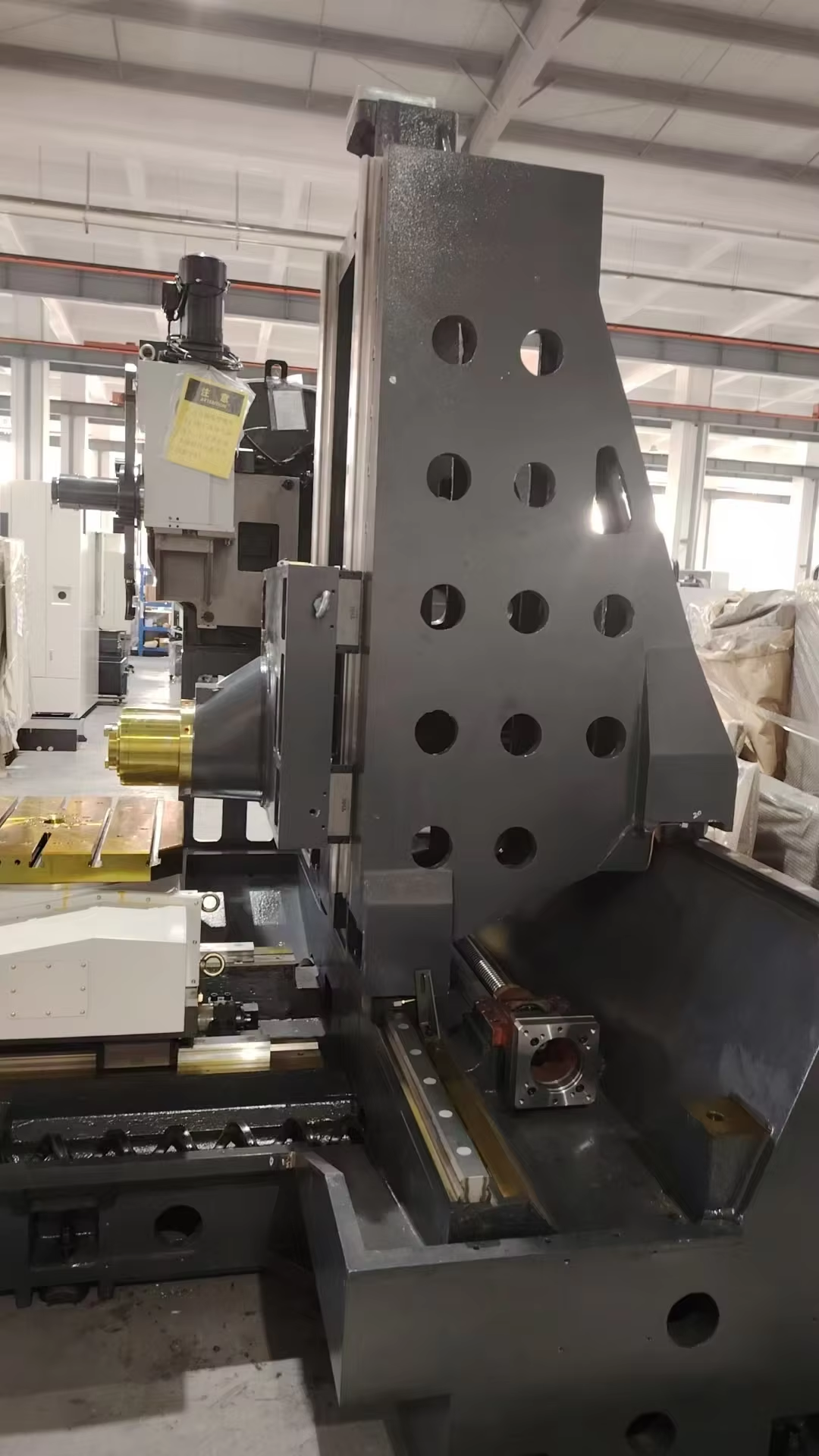
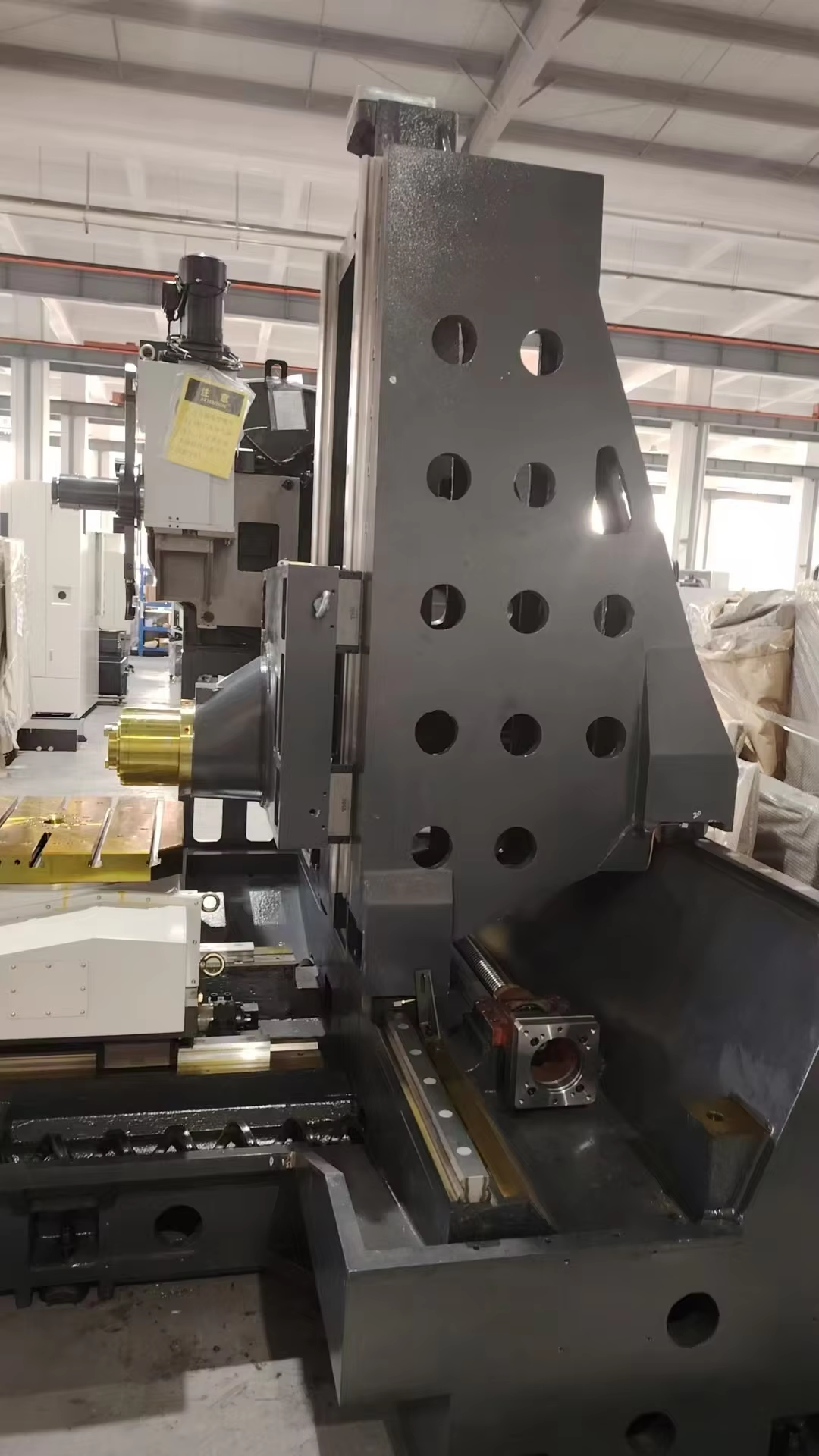
Modern CNC milling machines use CAD/CAM software to create those super accurate toolpaths that really make the most of raw materials. The algorithm based nesting feature is pretty smart too, arranging parts on workpieces in ways that cut down on wasted scraps and increases overall yield, all while keeping measurements spot on. Manual programming just can't compete with this kind of automation. Studies show these systems can slash material waste by around 20-25% when running at scale, which means factories aren't guzzling through resources like they used to. Plus, everything still holds together structurally speaking, so there's no compromise on quality despite the efficiency gains.
Predictive Simulation Reduces Scrap and Rework Before First Cut
Today's CNC controllers come with built-in digital twin tech that lets manufacturers run through machining steps on screen before touching actual metal. The system models all sorts of factors too - cutting forces, how heat affects materials, even when tools start to bend under pressure. What this means is catching programming mistakes way earlier in the process. According to Precitech's numbers, shops see around a 19% drop in wasted material once they implement these simulations. And nobody wants to spend time fixing things after they've already gone wrong. Another big plus? Real time collision detection keeps an eye out for potential crashes between parts and cutting tools. This turns what used to be hit-or-miss manufacturing into something where most jobs get done right the first time around.
Precision and Consistency: The CNC Milling Machine Advantage for Quality Assurance
Sub-0.0001-Inch Tolerance Control Across High-Volume Production Runs
The level of precision possible with CNC milling goes far beyond what any manual method could ever reach. These machines can maintain tolerances as tight as 0.0001 inches over long production runs without losing accuracy. The secret lies in advanced components like linear scales and ball screws that automatically adjust for things like heat expansion and tool wear. This prevents those annoying ±0.005 inch errors that plague traditional machining setups. Car makers have seen real benefits from this kind of consistency. According to a study published in the Journal of Manufacturing Systems last year, shops using CNC technology cut their inspection costs after machining by around 40%. They also manage to keep scrap rates down to less than 0.8%, which makes a huge difference when manufacturing thousands of parts each month.
In-Process Probing and Closed-Loop Feedback for Real-Time Quality Control
Touch trigger probes combined with laser sensors check part dimensions during production cycles, constantly matching what's actually being made against those digital CAD blueprints. If there's even a slight deviation beyond acceptable limits say anything over 2 microns the system automatically tweaks either the cutting path or makes necessary offset adjustments all on its own without needing anyone at the machine to intervene. These instant corrections slash the need for rework down by roughly two thirds compared to older methods that relied on spot checks. One major aerospace parts manufacturer saw their first pass success rate jump to nearly 99.7% once they installed this technology which really counts for something considering just one defective component can lead to recall costs running into hundreds of thousands according to Ponemon Institute research from last year. With closed loop systems in place, companies aren't just catching problems after they happen anymore but actually preventing them before they occur through continuous monitoring throughout the manufacturing process.
Labor and Operational Efficiency: Unattended Machining and Error Reduction
CNC milling machines have really changed how shops manage their workforce when it comes to running overnight shifts. With automation handling most operations without constant supervision, many manufacturers report saving around 30% on direct labor costs during those extended production periods. The robots take over loading parts, swapping tools between jobs, and even perform routine checks throughout the night. What makes this system work so well is the built-in sensors that monitor dimensions as parts are being machined. These sensors catch any drifting measurements almost instantly, either adjusting the machine automatically or stopping production safely before anything gets ruined. Shops implementing this kind of smart monitoring typically see about 22% less waste material and cut down on rework time by roughly 40%. Overall, these improvements translate into about 18 cents saved per part produced without sacrificing quality standards, which matters a lot when running machines nonstop for days at a time.
Proven ROI: Quantifiable Cost—Quality Gains from Industrial CNC Milling Machine Deployment
Wuxi Weifu Case Study: 32% Lower Scrap Rate and 27% Per-Part Cost Reduction
The CNC milling setup at Wuxi Weifu started showing real returns on investment around the 18 month mark. Scrap rates dropped by nearly a third (about 32%) thanks to better control over tolerances that kept tools from deflecting and reduced material waste issues. At the same time, costs per part went down by 27%, which translates to roughly $214k saved each year. The main drivers behind these improvements were longer running times between setups and smarter maintenance schedules that cut down on those frustrating unexpected machine shutdowns. Maintaining tolerances below 0.01mm across production runs has become standard practice now. What this means in practice is that every tiny detail matters when it comes to making money. Quality control isn't just about meeting specs anymore it actually contributes directly to the bottom line for manufacturers who get this right.
FAQ Section
How does CAD/CAM software contribute to material efficiency in CNC milling?
CAD/CAM software contributes to material efficiency by creating highly accurate toolpaths and utilizing nesting algorithms to optimize the arrangement of parts on workpieces, which reduces wasted material and increases yield.
What is predictive simulation in CNC machining?
Predictive simulation uses digital twin technology built into CNC controllers to test machining processes on screen before actual cutting. It aids in identifying programming mistakes early on, reducing scrap and rework.
What are the advantages of CNC milling in achieving precision and consistency?
CNC milling offers precision and consistency by maintaining tight tolerances automatically; advanced components help adjust for heat expansion and tool wear, reducing errors compared to manual methods.
How do unattended machining systems improve operational efficiency?
Unattended machining systems improve operational efficiency by automating processes overnight, reducing direct labor costs, and monitoring dimensions with built-in sensors to prevent errors.
What were the key gains from Wuxi Weifu's CNC milling implementation?
Wuxi Weifu's CNC milling implementation led to a 32% reduction in scrap rate and a 27% decrease in per-part costs, driven by better tolerance control and smarter maintenance schedules.
Table of Contents
- Precision and Consistency: The CNC Milling Machine Advantage for Quality Assurance
- Labor and Operational Efficiency: Unattended Machining and Error Reduction
- Proven ROI: Quantifiable Cost—Quality Gains from Industrial CNC Milling Machine Deployment
-
FAQ Section
- How does CAD/CAM software contribute to material efficiency in CNC milling?
- What is predictive simulation in CNC machining?
- What are the advantages of CNC milling in achieving precision and consistency?
- How do unattended machining systems improve operational efficiency?
- What were the key gains from Wuxi Weifu's CNC milling implementation?

