
 EN
EN
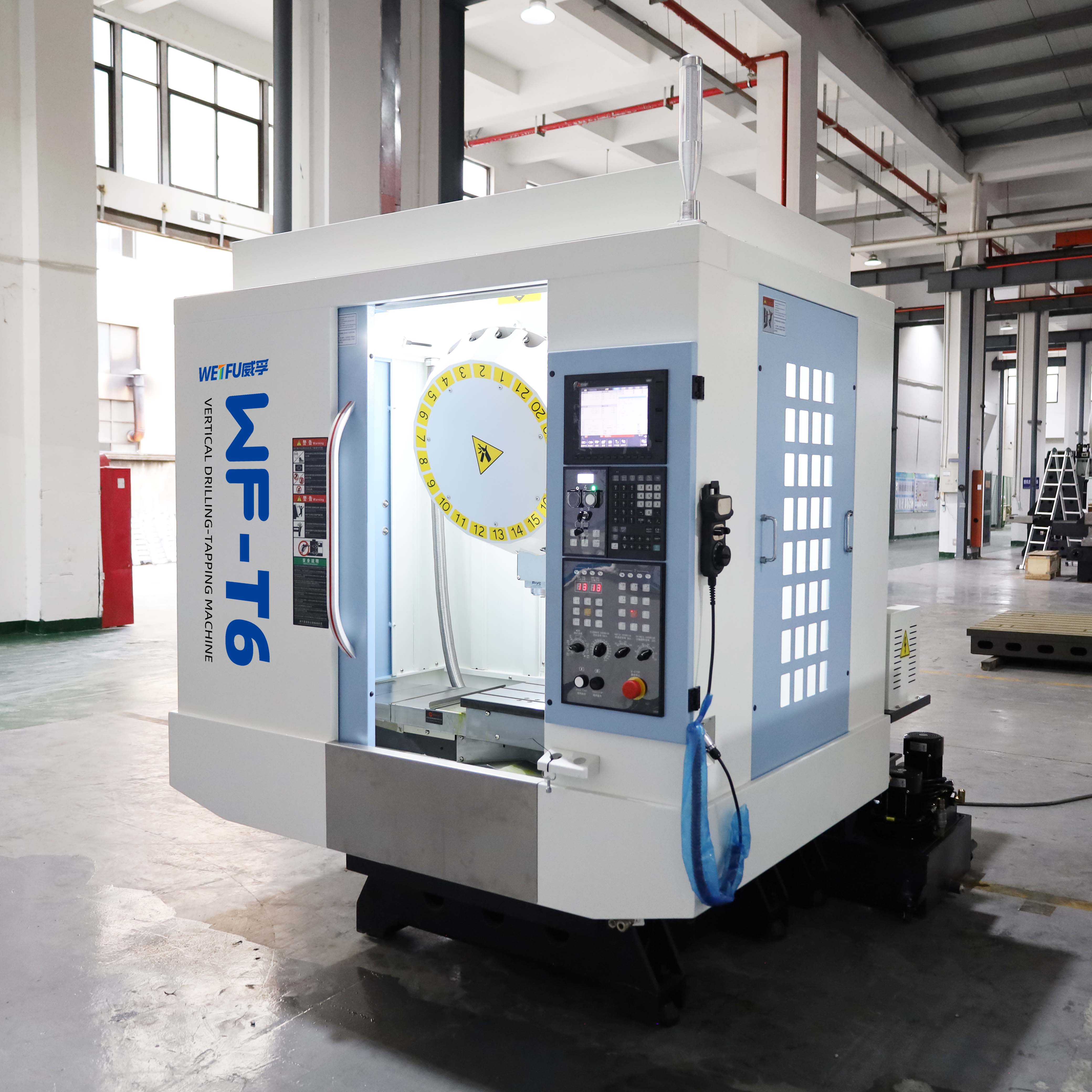
A vertical bridge CNC machine represents one of the most effective solutions for manufacturers seeking to balance structural rigidity with exceptional machining accuracy. Unlike traditional spindle-mounted designs, the vertical bridge architecture places the cutting tool on a moving vertical structure while the workpiece remains stationary on a fixed table. This fundamental design difference creates significant advantages for modern precision manufacturing operations. The vertical bridge configuration has become increasingly popular in industries requiring tight tolerances, complex geometries, and repeatable results across large production volumes. Understanding how a vertical bridge CNC machine achieves both rigidity and accuracy is essential for manufacturers evaluating equipment investments.
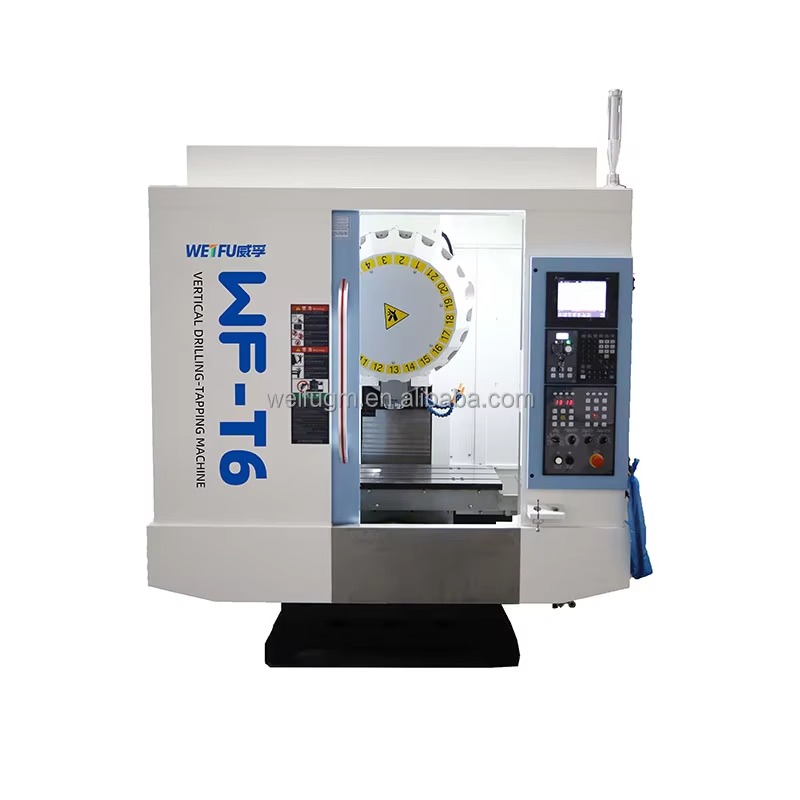
The vertical bridge design delivers measurable benefits that extend beyond simple accuracy specifications. Manufacturers adopting vertical bridge technology report improved production efficiency, reduced tool wear, and enhanced surface finish quality on critical components. The structural principles underlying a vertical bridge CNC machine make it particularly suitable for heavy-duty applications where conventional machines struggle to maintain dimensional consistency. By examining the core attributes of vertical bridge construction, modern manufacturers can make informed decisions about equipment selection and production strategy alignment.
Structural Design and Rigidity of Vertical Bridge CNC Machines
Understanding Vertical Bridge Architecture
The vertical bridge CNC machine's structural foundation differs fundamentally from traditional vertical spindle mills. In a vertical bridge configuration, a rigid beam or bridge structure spans across the work area, suspended above a stationary worktable. The cutting tool mounts to this bridge structure, allowing controlled vertical and horizontal movement along preset axes. This arrangement means the vertical bridge tool path remains independent of workpiece mounting complexity or variation. The bed of a vertical bridge CNC machine typically incorporates massive cast iron or welded steel construction, providing a stable platform that resists vibration and thermal distortion during prolonged cutting operations.
Rigidity Benefits in Production
The inherent mass and geometric stability of a vertical bridge CNC machine create superior vibration dampening compared to designs where the spindle moves vertically on a column. Because the vertical bridge structure remains positioned horizontally above the work envelope, it experiences less dynamic stress during tool engagement. Manufacturers using a vertical bridge CNC machine can operate at higher cutting speeds and feeds without inducing chatter or surface irregularities. The fixed table in a vertical bridge machine eliminates the complexity of supporting moving mass vertically, which inherently reduces deflection under load. This rigidity translates into longer tool life and reduced scrap rates for shops running tight tolerance work.
Achieving Superior Accuracy with Vertical Bridge Systems
Precision Movements and Control
A vertical bridge CNC machine achieves high accuracy through several integrated mechanical and control system features. The linear guide systems supporting the vertical bridge structure typically utilize precision ball screws and linear bearings that minimize play and backlash. Modern vertical bridge CNC machines employ advanced servo drives and closed-loop feedback systems that continuously verify actual tool position against programmed coordinates. The vertical bridge architecture naturally reduces the number of moving components in any single axis, which simplifies calibration and reduces sources of positional error. Quality vertical bridge machines undergo thermal compensation routines that adjust for temperature expansion in the structure, maintaining accuracy across extended production runs.
Repeatability and Consistency
When manufacturers require consistent dimensional accuracy across hundreds or thousands of identical parts, a vertical bridge CNC machine delivers measurable advantages. The vertical bridge design's inherent stability means tool wear develops predictably, allowing programmers to establish accurate tool offset schedules. Parts produced on a vertical bridge machine cluster tightly around nominal dimensions because the machine's geometric stability eliminates the creep and deflection common in less rigid architectures. This consistency becomes especially valuable in automated production lines where subsequent operations depend on precise upstream dimensions. A vertical bridge CNC machine's repeatability often enables manufacturers to reduce inspection frequency and scrap prevention costs significantly.
Applications and Industrial Advantages of Vertical Bridge Machining Centers
Suited Workpiece Types and Sizes
The vertical bridge CNC machine excels at machining large, flat components and moderate-to-heavy parts that benefit from fixed positioning. Aerospace components, automotive transmission housings, mold bases, and industrial manifolds represent typical applications where a vertical bridge machine's attributes shine. Because the vertical bridge architecture places the tool above the work area, chip removal becomes more efficient and operator access to setup areas improves compared to traditional spindle-down designs. The vertical bridge machine's stationary table means larger workpieces can be supported without requiring custom mounting fixtures that compromise rigidity. Manufacturers working with composite materials, aerospace-grade aluminum, and hardened steel prefer vertical bridge machines because their rigidity and accuracy minimize deflection that would otherwise compromise surface quality.
Production Efficiency and Cost Benefits
Adopting a vertical bridge CNC machine often improves production economics through multiple mechanisms. The vertical bridge design's rigidity enables faster cycle times because cutting parameters can be optimized without introducing deflection-induced risk. Tool life extensions on a vertical bridge machine often reach 20-40% improvements compared to less rigid machines, directly reducing consumable costs. The vertical bridge machine's high accuracy reduces secondary finishing operations and improves first-pass acceptance rates. Maintenance costs for a vertical bridge CNC machine typically remain competitive because the simpler moving mass distribution reduces wear on linear guide systems and servo motors. Forward-looking manufacturers view vertical bridge investments as long-term cost reduction strategies rather than capital expenses.
FAQ
How does a vertical bridge CNC machine differ from a traditional vertical spindle mill?
A vertical bridge CNC machine positions the cutting tool on a horizontal bridge structure spanning above a fixed worktable, whereas a traditional vertical spindle mill moves the spindle up and down on a vertical column. The vertical bridge architecture eliminates the dynamic challenges of supporting moving mass vertically, resulting in superior rigidity and thermal stability. This fundamental difference makes a vertical bridge machine particularly advantageous for heavy-duty cutting and precision work requiring tight dimensional tolerance.
What types of materials can a vertical bridge CNC machine effectively process?
A vertical bridge CNC machine handles aluminum, steel, cast iron, composites, and exotic aerospace alloys with equal effectiveness. The vertical bridge machine's rigidity allows aggressive cutting parameters on hard materials without inducing vibration or chatter. Manufacturers processing materials ranging from soft non-ferrous metals to hardened tool steel all benefit from the structural stability that a vertical bridge design provides, enabling optimized feed rates and tool life extension.
What accuracy levels can manufacturers expect from a vertical bridge machining center?
Quality vertical bridge CNC machines consistently achieve positional accuracy within 0.0005 to 0.001 inches under controlled conditions. The vertical bridge architecture's inherent rigidity, combined with advanced servo control systems and thermal compensation, enables manufacturers to hold tight tolerances across extended production runs. Repeatability on a vertical bridge machine often exceeds accuracy specifications, making it ideal for applications requiring consistent dimensional performance across large part quantities.

