
 EN
EN
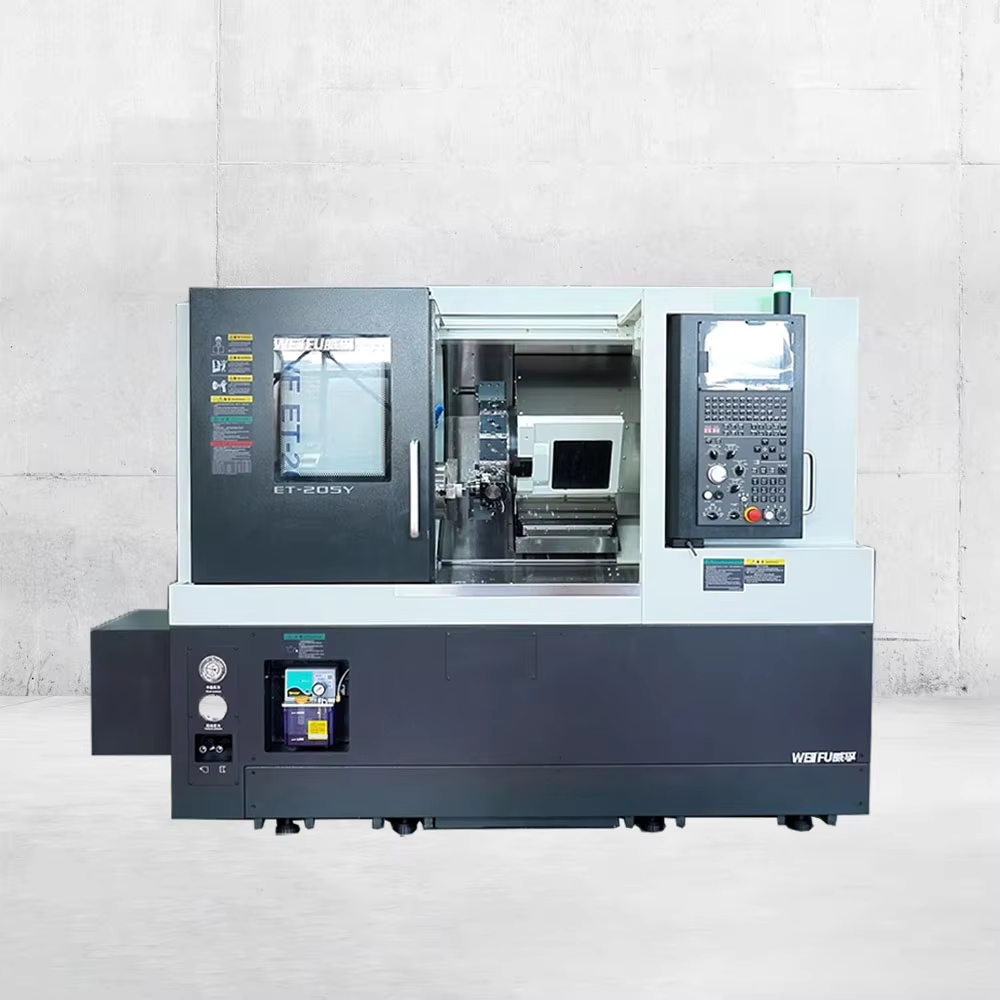
Advancing Precision Manufacturing with CNC Machines
The foundation of CNC machining in modern production
Computer numerical control machines are basically what keeps precision manufacturing running smoothly these days. They take those digital blueprints we create on computers and turn them into real parts with amazing accuracy down to the micron level. When we compare this to old school manual machining, there's no contest really. These computer controlled systems just don't make those kinds of mistakes humans tend to slip up on when setting tool paths manually. That kind of consistency is why so many sectors depend on CNC tech for their work. Take medical device manufacturers who need tolerances as tight as plus or minus 0.005 millimeters, or car companies making transmission parts where even tiny variations matter a lot. According to research published last year by NIST, switching to CNC processes cuts down on size differences between parts by around 80 percent compared to traditional ways of doing things. Pretty impressive if you ask me, though I wonder how much difference that actually makes in day to day operations for most shops.
How multi-axis CNC machining enhances precision and complexity
The newer generation of 5 axis CNC systems actually gets around those geometry problems that plague older 3 axis machines because they can cut across multiple planes at once. What this means is that complicated shapes and tricky undercuts can all be done without having to constantly realign parts, which builds up those pesky alignment errors over time. When making things like turbine blades, these advanced machines produce surfaces as smooth as Ra 0.4 microns. Pretty impressive stuff when considering how tight the tolerances are too – keeping those airfoil shapes accurate within just 0.01 millimeters makes all the difference in performance for aerospace applications.
Data: Multi-axis machining centers improve accuracy by up to 40%
| Metric | 3-Axis CNC | 5-Axis CNC | Improvement |
|---|---|---|---|
| Positional Accuracy | ±15μm | ±9μm | 40% |
| Surface Finish (Ra) | 1.6μm | 0.8μm | 50% |
| Setup Time Reduction | — | — | 65% |
Source: International Journal of Advanced Manufacturing Technology (2024)
Case study: High-precision aerospace component fabrication using advanced CNC systems
One major player in the aerospace sector managed to cut down wing spar machining mistakes by nearly 40% after installing new CNC systems featuring real time thermal adjustments. They added laser measurement tools along with smart feed rate controls to their 7 axis machines, which kept them within a tight tolerance range of plus or minus 0.007 mm even during those long 14 hour shifts. The results were pretty impressive too. Scrap material dropped dramatically from around 12% all the way down to just 1.7%. That translates into roughly two point eight million dollars saved every year specifically for work involving tough materials like titanium alloys.
Automation and Robotics: Driving Efficiency in CNC Machining
Modern CNC machining achieves unprecedented efficiency through advanced automation and robotics integration. These technologies enable manufacturers to overcome labor shortages while maintaining tight tolerances and complex geometries demanded by aerospace, medical, and automotive industries.
Integration of Robotics for Lights-Out, Continuous CNC Operation
Modern robotic arms are taking over tasks like changing tools, loading workpieces, and checking quality with amazing precision around 0.002mm repeatability. This lets factories run non-stop for days on end without needing anyone to watch them constantly. Top manufacturing sites typically mix together several technologies including those six-axis robots for moving materials, automatic measurement machines called CMMs, plus smart conveyor belts that track parts using RFID tags. According to research published last year, when all these systems work together they cut down cycle times by roughly a quarter compared to what happens when humans do everything manually. Most CNC automation handbooks point out something interesting too the machines can tweak their own settings during operation. They'll actually change how fast they cut and spin depending on what sensors tell them about tool condition in real time.
Productivity Gains from Automated Workflows
Automated CNC cells demonstrate:
- 63% faster setup times through pre-programmed job recalls
- 89% reduction in scrapped parts via in-process metrology
- 40% higher machine utilization from optimized tool paths
Manufacturers report 18-month ROI periods for robotic integrations, with subsequent years delivering 22–35% cost savings through reduced labor and material waste.
Real-World Example: Automated CNC Cells at a Leading Aerospace Manufacturer
A prominent aerospace components supplier implemented a 12-machine robotic cell featuring:
| Manual Process | Automated Cell | Improvement | |
|---|---|---|---|
| Output | 340 parts/day | 620 parts/day | +82% |
| Defect Rate | 1.4% | 0.2% | -86% |
| Overtime Costs | $18k/month | $2.5k/month | -86% |
The system runs three shifts with just two technicians monitoring operations remotely, exemplifying how smart automation redefines precision manufacturing economics.
Digital Workflows: CAD/CAM Software and Smart Programming
Streamlining CNC Machining Through Integrated CAD/CAM Software
Today's CNC machines depend heavily on CAD (Computer-Aided Design) and CAM (Computer-Aided Manufacturing) software packages that connect what designers have in mind with actual production work. When 3D models get converted straight into G-code for machines to read, it cuts down on those pesky manual programming mistakes by around 65 to 70 percent and gets products made much quicker than old methods. Shops that have adopted these combined CAD/CAM systems often see their cycle times drop about 22%, thanks to features like automatic tool path adjustments and built-in collision warnings. What makes this setup really valuable is how it lets design engineers and shop floor technicians work together in real time. They can check if the dimensions specified actually match what the machinery can handle without wasting material or causing breakdowns during the cutting process.
Digital Twin Technology and Simulation for Error-Free CNC Programming
The latest CNC workflow setups are starting to bring in digital twin simulations as part of their programming validation process. When manufacturers create these physics-based copies of actual machining environments, they get a chance to spot problems like tool deflection or material waste before cutting into real parts. According to research from last year, factories that adopted digital twin technology saw their scrap rates drop by around 30% compared to old school trial and error approaches. Beyond just catching errors early, these virtual models let machinists predict how tools will wear over time. This means shops can tweak feed rates and adjust spindle speeds ahead of time, which helps maintain those critical surface finish requirements across production runs.
Trend: Cloud-Based CAM Platforms Reducing Setup Time by 30%
Moving to cloud based CAM software is changing how people approach CNC programming these days. Teams can now work together on toolpaths even when they're spread out all over the map, and get updates as things happen in real time. Some shops that jumped on this early have seen their setup times drop by around 30 percent thanks to shared tool libraries and those smart AI suggestions for parameters. The best part? These systems handle those little differences between machines automatically so parts come out exactly the same quality no matter which vendor's equipment is running them. Plus, everything stays properly documented according to ISO 9001 standards without anyone having to lift a finger extra.
Smart CNC Systems: AI, IoT, and the Future of Industrial Integration
AI and machine learning enhancing CNC performance and adaptability
Machine learning algorithms process terabytes of machining data to optimize spindle speeds and tool paths in real-time. This adaptability proves critical when working with variable materials like titanium alloys, where cutting forces fluctuate by up to 18% between batches. AI systems automatically adjust parameters mid-operation, maintaining ±0.002" tolerances without human intervention.
Predictive maintenance powered by AI reduces CNC downtime
Deep learning models analyze vibration patterns from 40+ sensor inputs, predicting bearing failures with 92% accuracy 60–80 hours before critical thresholds. Manufacturers implementing this technology report 43% fewer unplanned stoppages, translating to 290 additional production hours annually per machine.
IoT-enabled real-time monitoring for smart factory integration
CNC machines equipped with IoT sensors feed operational data into plant-wide monitoring systems, enabling real-time coordination between machining centers and inventory management. This integration reduces tooling wait times by 35% in complex assemblies, as demonstrated in European automotive plants participating in Industrie 4.0 initiatives.
Data: IoT and AI together reduce unplanned CNC downtime by up to 35%
| Metric | Conventional CNC | AI/IoT CNC System | Improvement |
|---|---|---|---|
| Monthly downtime | 12.4% | 8.1% | 35% |
| Energy consumption | 18.7 kWh/part | 13.9 kWh/part | 26% |
| Scrap rate | 3.8% | 2.1% | 45% |
| 2023 Smart Manufacturing Benchmark Data |
FAQ Section
What is CNC machining?
CNC machining refers to Computer Numerical Control machining, which involves the use of computers to control machine tools for producing precise parts from digital designs.
How does multi-axis CNC machining enhance precision?
Multi-axis CNC machining allows cutting across multiple planes simultaneously, reducing alignment errors and enabling the fabrication of complex geometries with higher precision.
What economic benefits does automation bring to CNC machining?
Automation and robotics integration in CNC machining improves efficiency, reduces labor costs, and increases throughput by enabling continuous operation without constant human supervision.
How do AI and IoT technologies optimize CNC operations?
AI and IoT optimize CNC operations by allowing real-time data processing and predictive maintenance to reduce downtime, enhance precision, and improve overall operational efficiency.
What is the role of CAD/CAM software in CNC machining?
CAD/CAM software streamlines CNC machining by linking design processes with manufacturing, enabling error reduction and faster production through automated G-code generation and tool path optimization.

