
 EN
EN
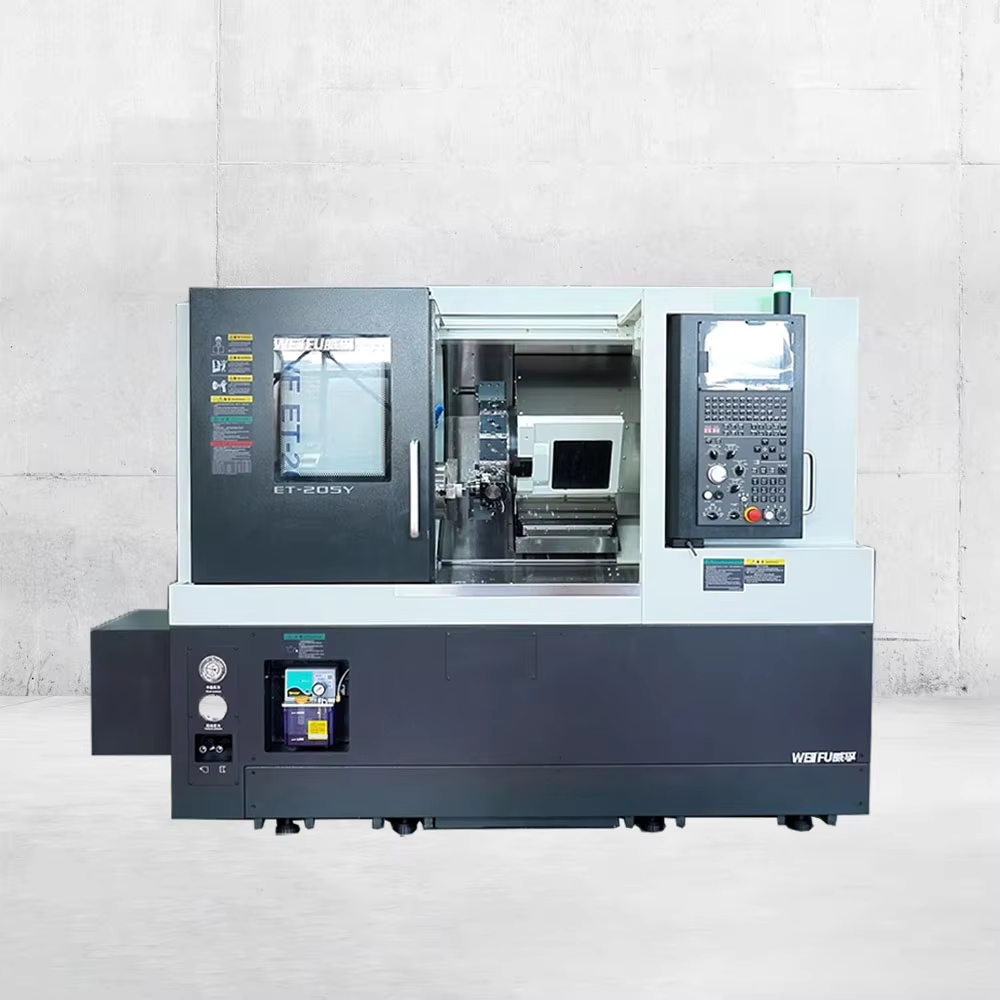
Understanding CNC Machines and Their Role in Modern Manufacturing
What Are CNC Machines and How Do They Work?
CNC machines, which stands for Computer Numerical Control, basically take those computer designs made in CAD/CAM software and turn them into exact G-code commands that tell the machine what to do. These machines work with all sorts of stuff from metals to plastics thanks to their servo motors, spinning spindles, and various cutting tools. They can get really precise too, sometimes hitting tolerances down to plus or minus 0.001 inches. What makes these systems so good is that they remove all those pesky human mistakes from the equation. Plus, since they run non-stop day after day, parts come out consistently every time without the quality drops we see with older manufacturing techniques.
The Evolution of CNC Machining: From Manual to Automation
In the 1980s things really started changing when shops moved away from those old manual lathes toward automated CNC systems. Multi axis capabilities came along around this time too, plus everyone began using standardized programming across different machines. Fast forward to today and we see amazing advancements such as 5 axis milling machines that can carve out parts no one thought possible just a few years ago. A recent study from 2024 showed something pretty impressive actually - setup times drop down by about 60 percent when using these automated systems instead of traditional methods. Makes sense why so many manufacturers are jumping on board with these technologies since they fit right into what's called Industry 4.0, where factories become smarter and more interconnected than ever before.
Precision, Repeatability, and Efficiency in Manufacturing with CNC
With CNC machining, parts come out consistently around 99.8% of the time, which matters a lot in fields where mistakes can be dangerous, think aerospace components or surgical tools. The machines have these real time feedback systems that tweak how they cut as they go along. This helps cut down on wasted materials somewhere around 20% give or take, and manufacturers report getting about twice as many finished products from the same amount of raw material. What really stands out is how well CNC combines accuracy with the ability to scale up production without losing quality. For companies needing to produce thousands of identical parts day after day while still hitting tight tolerances, there's just no better option available today.
CNC Milling vs. Turning: Matching Processes to Part Geometry
CNC milling and turning form the backbone of modern manufacturing, each designed for specific shapes and requirements. With milling, the cutting tool spins while the material stays put, which works great when creating those intricate details we see in so many parts these days – think slots, grooves, even full 3D shapes. Turning takes a different approach altogether. Here, the workpiece spins around while stationary tools shape it down, perfect for things like shafts, bearings, and all sorts of round components with threads. Looking ahead, some industry reports predict that by 2025, about 38 percent of industrial machining will involve milling operations. Meanwhile, turning continues to hold strong in mass production settings, especially within the automotive sector where consistency matters most.
| Process | Tool Movement | Workpiece Movement | Typical Use Cases | Industries |
|---|---|---|---|---|
| CNC Milling | Multi-axis rotation | Stationary | Complex contours, molds, gears | Aerospace, energy, defense |
| CNC Turning | Linear or radial | Rotating spindle | Cylindrical parts, threads | Automotive, medical, HVAC |
Multi-Axis and Specialized CNC Systems: Expanding Capabilities
The latest generation of 5 axis CNC machines can cut from several different angles at once, which cuts down on setup time by around 60% when making complicated parts for aerospace applications compared with older 3 axis systems. These advanced machining centers have become absolutely essential for manufacturing things like aircraft turbine blades, custom prosthetic devices, and precision optical mounting hardware where tolerances need to be within thousandths of an inch. Some specialized machine tools such as Swiss type lathes take this even further by combining both turning and milling capabilities in one unit. This integration leads to remarkable material savings, sometimes reaching close to 98% efficiency rates when producing tiny diameter screws used in medical equipment. For manufacturers dealing with high precision requirements, these technological advancements represent a game changer in terms of both quality control and cost effectiveness.
Vertical vs. Horizontal Configurations: Impact on Workflow and Output
In vertical machining centers (VMCs), the spindle stands straight up from the worktable which makes it really easy to access parts during die making or when creating prototypes. On the other hand, horizontal machining centers (HMCs) have spindles aligned side to side across the machine. This setup helps clear away chips better and keeps things stable when working on big chunks of aluminum. According to some research published last year, these HMC machines can cut down production time by around 22 percent in factories doing lots of castings at once. But most small workshops still stick with VMCs because they take up less space overall and can handle all sorts of different jobs without needing constant adjustments.
Aligning CNC Machine Selection with Business Goals and Production Requirements
Assessing Production Volume, Part Complexity, and Scalability Needs
When choosing a CNC machine, most manufacturers begin by looking at how much they need to produce, what kind of parts they're making, and where their business might go next. Getting the size right matters a lot actually, since proper equipment selection can cut down on wasted materials somewhere around 18% without sacrificing production goals. Big manufacturing facilities usually want machines with fast tool changing capabilities and those automatic pallet systems, while smaller workshops tend to focus more on versatile 3-axis milling options. The really complicated parts that need tight tolerances of about plus or minus 0.001 inches work best with 5-axis systems which save time because they require fewer setups overall, maybe cutting them down by close to 27%. Companies that see their products getting more complex over time would probably do well to invest in modular platforms now, something that leaves room for expansion as needs grow in the coming years.
Matching Workpiece Size and Throughput to Machine Capacity
Going beyond what the machine can travel leads to around a third of all unexpected downtime problems on shop floors. For proper operation, the Z axis needs enough space not just for the part itself but also whatever fixtures are being used, plus an extra 15 to maybe even 20 percent headroom so tools can actually reach where they need to go. Looking at production capacity? The numbers tell the story best. Take a standard vertical machining center making those little automotive brackets at about 45 pieces per hour versus doing it by hand. Multiply that out over a year and the difference becomes staggering three times as much product comes off the automated line. And don't forget about spindle specs either. Power and torque have to line up with what's actually needed for cutting through materials. Aluminum usually requires running those spindles anywhere from half again to double the speed compared to working with steel parts.
Evaluating CNC Control Systems, Software Integration, and Operator Support
CAD/CAM Integration and User-Friendly Interfaces for Precision Programming
When CAD (computer aided design) works well with CAM (computer aided manufacturing) software, it makes moving from digital designs to actual parts much smoother. The best platforms have easy to use interfaces that make programming less frustrating for technicians. They also come packed with cool features such as simulating how tools will cut through materials in three dimensions and catching mistakes before they happen during production runs. What really matters here is that complicated shapes can now be turned directly into precise cutting instructions automatically, so there's no need for someone to manually adjust everything by hand anymore.
Future-Proofing with Upgradable Controls and Cloud Connectivity
Manufacturers seeking long-term adaptability should choose CNC systems with modular control architectures and IoT-enabled connectivity. Cloud-integrated platforms enable data synchronization across facilities, supporting predictive maintenance and remote quality audits. Many also offer API integration with ERP systems, creating a unified digital ecosystem that responds efficiently to changing production demands.
Training, Maintenance, and Vendor Support for Long-Term Reliability
Even the most advanced CNC machines underperform without skilled operatorsâpoor training contributes to 34% of unplanned downtime. Prioritize vendors that provide certified training programs, responsive technical support, and customizable service agreements. Implementing proactive maintenance aligned with usage patterns helps prevent breakdowns and sustains precision over decades of operation.
Budget Planning and ROI Analysis for CNC Machine Investments
Total Cost of Ownership: Purchase Price vs. Operational Efficiency
Many manufacturers miss the mark when looking at CNC machine purchases, often forgetting about those ongoing operational costs that really add up over time. Think about it this way: someone spending $250k on a milling center might end up paying another $120k each year just for things like electricity bills, replacement tools, and regular maintenance checks. The math gets interesting when we look at total cost of ownership instead of just upfront price tags. Cheaper options between $50k and $80k actually perform better than expensive ones costing over $300k if we factor in their energy savings which range from 15% to 25%, plus they produce less waste material during production runs. This makes all the difference in the long run for most shops trying to balance quality with budget constraints.
Calculating ROI Through Improved Speed, Accuracy, and Downtime Reduction
The return on investment for CNC machines depends on measurable improvements in speed, accuracy, and uptime:
- Speed: Automated tool changers reduce setup time by 40–60%
- Accuracy: 5-axis systems cut rework costs by up to $18/hour (based on a $90/hr machine rate)
- Uptime: Predictive maintenance integrations reduce unplanned downtime by 30%
For mid-volume shops producing 500–1,000 parts per month, breakeven typically occurs within 18–36 months.
High-End vs. Entry-Level CNC Machines: Balancing Performance and Cost
Top shelf CNC systems can hit incredible tolerances as tight as plus or minus 0.0002 inches, though many shops find that entry level models hitting around 0.001 inch are plenty good enough for most jobs. About three quarters of all prototype work and regular machining fits within this range, and these basic machines come in at nearly half the price tag. Shops making more than ten thousand parts each year typically see their investment in premium machines pay off quicker since they spend about 22% less per part when using them (around 18 cents versus 32 cents per piece). For smaller operations with annual revenues below two million dollars though, getting certified refurbished gear makes a lot of sense. These secondhand options still pack around 85% of what new machines offer, but at only 40 to 60% of the original cost, which helps stretch budgets further without sacrificing too much quality.
FAQ
What is a CNC Machine?
A CNC (Computer Numerical Control) machine is a high-precision automated tool that receives G-code commands from computer designs to work on materials like metals and plastics without human error.
How does CNC machining improve manufacturing efficiency?
CNC machining provides precision, repeatability, and efficiency, leading to around 99.8% consistency in parts, reduced material waste, and the ability to mass-produce identical high-quality parts.
What differentiates CNC Milling from CNC Turning?
CNC Milling involves stationary material and rotating cutting tools, ideal for intricate details, while CNC Turning utilizes a rotating workpiece with stationary tools, suited for cylindrical parts.
Should I choose a vertical or horizontal CNC machine?
Vertical Machining Centers (VMC) offer easy access and are suitable for various jobs in small spaces, while Horizontal Machining Centers (HMC) efficiently handle large production volumes by improving chip removal and stability.
What factors should I consider when purchasing a CNC machine?
Consider production volume, part complexity, scalability, machine capacity, and spindle specifications to align with your business goals and future-proof the investment.
Table of Contents
- Understanding CNC Machines and Their Role in Modern Manufacturing
- CNC Milling vs. Turning: Matching Processes to Part Geometry
- Multi-Axis and Specialized CNC Systems: Expanding Capabilities
- Vertical vs. Horizontal Configurations: Impact on Workflow and Output
- Aligning CNC Machine Selection with Business Goals and Production Requirements
- Evaluating CNC Control Systems, Software Integration, and Operator Support
- Budget Planning and ROI Analysis for CNC Machine Investments
- FAQ

