
 EN
EN
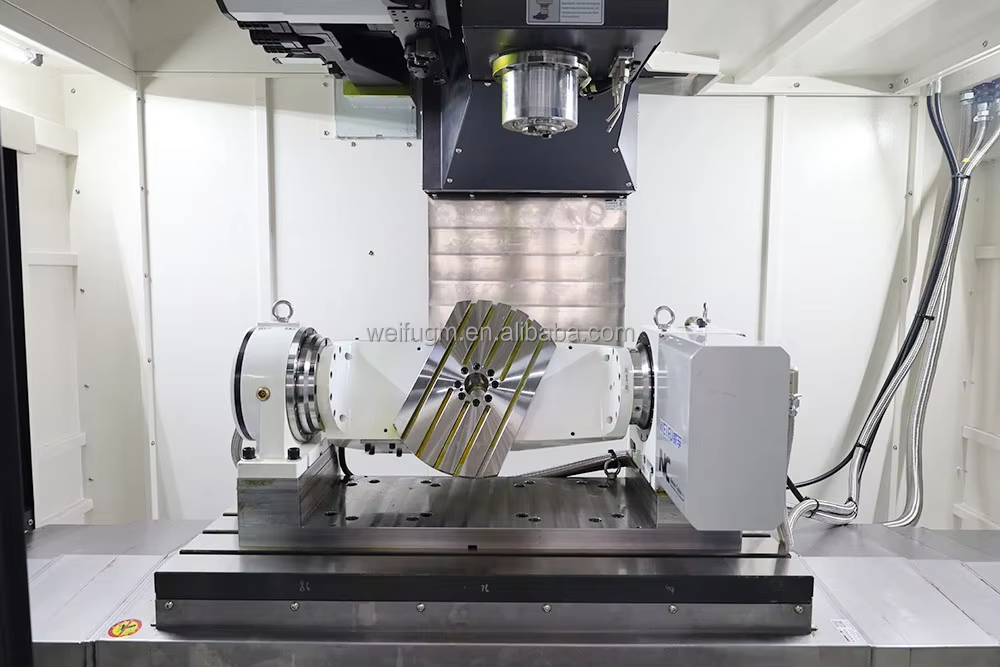
Vertical vs. Horizontal Drilling Machine Configurations: Structure and Performance
Working Principle of Vertical and Horizontal CNC Drilling Machines
With vertical CNC drilling machines, the spindle sits at a right angle to whatever material they're working on. Gravity actually helps keep things stable when pressure is applied from above. These machines work great for basic drilling jobs like creating those little recessed areas around bolt holes or preparing surfaces for welding. Horizontal models take a different approach altogether. Their spindles run alongside the work surface, which lets them drill much deeper into materials and handle complicated shapes where multiple angles come together. This matters a lot in situations where tools might bend or twist during long drilling runs. For parts made in aerospace industries where even tiny deviations can cause problems, the reduced tool flexing makes all the difference in getting consistently accurate results across batches.
Basic Structure and Setup of Vertical and Horizontal CNC Drilling Machines
Vertical machining centers typically have their spindle mounted on a column while the worktable moves along X and Y axes. These setups take up surprisingly little room on the shop floor, usually around 2.5 meters by 1.8 meters. The horizontal counterparts come with a different layout altogether, featuring a horizontal ram and a rotating table. Most modern versions include built-in chip removal systems since they handle much greater amounts of material cutting. Big name manufacturers boost machine stability through what's called box way construction. According to recent findings from Machinery Dynamics in their 2023 report, this design cuts down vibrations by about forty percent when compared against traditional linear guides.
Types of Drilling Machines in Metalworking: Radial, Upright, and Special Purpose
- Radial Drills: Offer 1,200–3,500 mm arm reach, ideal for large castings
- Upright Drills: Deliver ≥15 kW spindle power for heavy plate processing
- Specialized Systems: Include gang drills for parallel hole patterns and deep-hole borers capable of achieving 20:1 depth-to-diameter ratios
Comparative Analysis: Vertical vs. Horizontal Orientation in High-Precision Applications
| Parameter | Vertical Drilling | Horizontal Drilling |
|---|---|---|
| Accuracy | ±0.01 mm positional | ±0.025 mm (long bores) |
| Speed | 8,000 RPM max | 6,500 RPM (optimized torque) |
| Workpiece Size | <1.5 m³ standard | Supports 4 m+ components |
| Surface Finish | Ra 3.2 μ achievable | Ra 6.3 μ typical |
| Tool Life | 30% longer in steel | 15–20% shorter (chip impact) |
Vertical configurations dominate precision threading (M1–M24) and micro-drilling (~0.3–3 mm), achieving positional accuracy within ±0.005 mm using linear scale feedback. Horizontal systems are preferred for oil/gas valve bodies and hydraulic manifolds, where hole depths exceeding 300 mm require pressurized coolant systems to maintain ±0.1 mm straightness tolerance over 1 m spans.
CNC Technology and Machine Design for Maximum Drilling Precision
Precision and Accuracy in CNC Drilling for Metal Components
Today's vertical and horizontal CNC drilling machines can reach incredible levels of precision thanks to their closed loop feedback systems paired with sophisticated servo controls. The machines keep coming back to the same spot again and again, staying within about plus or minus 0.001 mm according to research from Antishilathe in 2024. This kind of repeatability matters a lot when making parts like fuel injectors for airplanes or threading on medical implants where tiny differences matter. When drilling really deep holes, these machines use special real time compensation software that basically predicts and corrects for any bending or warping as it happens. Even when working with tough materials like hardened steel, they manage to drill holes that stay straight within around five microns. That level of control makes all the difference in manufacturing high quality components.
Machine Stability and Rigidity: Role of Vibration Damping in High-Precision Drilling
Damped polymer-concrete bases reduce harmonic vibrations by 40% compared to traditional cast iron frames. Multi-point wedge-type leveling systems create stable foundations, while thermally symmetrical spindle housings limit thermal drift to <1 μ/°C. High-stiffness linear guides with preloaded bearings maintain alignment under 15 kN cutting loads, supporting 20:1 depth-to-diameter ratios in titanium alloys.
Minimizing Error Sources in CNC Machining Operations
Error mapping done proactively catches around 90% of dimensional problems right where they start. This includes things like when spindles grow due to heat (which we handle with those built-in temperature sensors), tools bending during operation (we adjust this using smart feed controls), and parts warping when clamped down (special vises with strain gauges help here). The laser tool setters take care of wear issues automatically after about 50 machining cycles, keeping holes pretty much the same size throughout production. For shops running machines non-stop day and night, these hybrid lubrication systems cut down on positioning mistakes caused by friction by roughly a quarter compared to older methods.
Industrial Applications and Material Considerations in Metal Drilling
Applications in Metalworking: From Prototyping to Mass Production
When it comes to prototyping work, vertical CNC machines are the go-to choice because they offer that pinpoint accuracy needed for things like jig holes and fastener placements on aluminum test pieces. The error margin here is typically around plus or minus 0.01 mm at most. For large scale manufacturing though, horizontal setups really shine since they allow for non-stop operation. Automotive companies making transmission housings can get parts out in under 45 seconds each when using these systems. This kind of efficiency was highlighted in last year's Machining Materials Report from 2024, which showed just how much faster production can be with the right configuration.
Sector-Specific Use Cases of High-Precision Drilling Machines
The aerospace industry depends heavily on horizontal deep hole drilling machines to create those tiny cooling holes in titanium turbine blades, where positioning needs to be spot on within just 0.005 mm either way. These machines handle chips much better than alternatives, which is a big plus for maintaining quality standards. Looking at the energy field, vertical drilling setups are getting quite popular for boring guide holes that go down well over 120 meters into nuclear reactor vessel flanges. For medical device makers working with tough materials like cobalt chromium, switching to vertical CNC systems has made a real difference. Some companies have seen their tool change times drop by almost 40%, which means less downtime and more efficient production runs for those orthopedic implants that demand such high precision.
Material Compatibility and Selection Criteria for Vertical and Horizontal Drilling
The hardness of materials plays a big role when choosing what kind of machine to use for machining jobs. For softer stuff like copper which has a Brinell hardness between 35 and 45, vertical drilling works just fine at speeds over 3,500 RPM using regular HSS bits most shops already have lying around. But things get tricky with harder materials such as Inconel 718 that sits above HRC 45 on the scale. These require horizontal machining setups equipped with carbide tipped tools plus plenty of high pressure coolant running at least 1,200 psi to keep everything from overheating. A recent look at machining data from 2024 shows something interesting too: those cobalt alloy cutting tools actually hold their edges about two thirds longer compared to standard HSS bits when working with stainless steel in horizontal drilling operations. That makes them worth considering despite the higher initial cost.
Advanced Capabilities in CNC Horizontal Deep Hole Drilling
Overcoming Depth-to-Diameter Ratio Challenges in CNC Horizontal Deep Hole Drilling
When it comes to drilling deep holes, horizontal CNC machines handle the depth-to-diameter ratio problem much better thanks to their special tools and stability controls. These machines can actually reach beyond 30:1 ratios in tough aerospace materials because they use these dual pressure coolants that cut down on heat issues by about 42% when compared to vertical setups according to Kumar and colleagues back in 2023. What makes them work so well is simply how they're positioned horizontally. This setup naturally minimizes tool wobbling inside those deep pockets, which means operators get pretty accurate results around +/− 0.005mm even when drilling holes that are 15 times deeper than they are wide.
Coolant Delivery and Chip Evacuation in Long-Reach Drilling Applications
The latest generation of horizontal drilling systems now features 1,200 psi (about 83 bar) coolant delivery right through the tool itself, paired with those spiral shaped chip flutes we've been talking about. These systems manage to clear out chips from 304 stainless steel at around 98% efficiency, which is pretty impressive considering how stubborn that material can be. The high pressure keeps things cool during operation so the workpiece doesn't harden unexpectedly, and tools last roughly 37% longer when working with titanium parts. For shops dealing with aluminum alloys where they need to drill deep holes - think depth ratios over 10 to 1 - many manufacturers have noticed their cycle times drop by about 22% compared to what they used to get with vertical drilling setups. Makes sense when you consider all the time saved on changing tools and clearing debris between operations.
When to Choose Horizontal Over Vertical for Deep Hole Machining
When it comes to jobs needing long reach, complicated shapes, or lots of parts made at once, horizontal setups beat vertical drills hands down. These machines can keep their accuracy even when drilling past 1.5 meters deep. They also handle those tricky angled intersections between holes from 15 to 85 degrees without having to move the workpiece around. Plus, with smart chip removal systems, they manage to use their spindles about 92% of the time during operation. According to last year's Precision Machining Report, most car makers (around 78%) have switched to using horizontal CNC drills for making transmission parts because they consistently hit that super tight 0.01 mm straightness requirement throughout entire batches. This kind of precision is what makes them so valuable in modern manufacturing environments where quality control matters most.
Versatility and Scalability: Matching Machine Capacity to Production Needs
Multi-Purpose Functions: Counter-Boring, Tapping, and Reaming in Modern CNC Systems
Today's computer numerical control drilling machines make production much faster because they can handle multiple tasks at once like counter boring, tapping holes, and reaming surfaces. According to some research from last year, around two thirds of companies making parts for airplanes cut down their work cycles by about a fifth when they switched to these all in one vertical drilling setups. The horizontal models are really good for running through several tools in sequence too. These machines can swap out tools up to eight times during each operation cycle without anyone needing to step in manually. That kind of automation saves time and money across the board for manufacturing shops dealing with complex parts.
Tool Changer Integration and Process Consolidation in Vertical and Horizontal Setups
Automatic tool changers or ATCs with over 24 positions let vertical machines swap out between different tools like drills, taps, and boring heads really fast—in around 3.5 seconds give or take. That kind of speed matters a lot when running high mix production where multiple parts need machining. For horizontal machines, they typically go with linear tool magazines instead. These can handle much heavier cutting tools weighing up to about 40 kilograms, which makes them suitable for tasks such as deep hole drilling and working with larger diameter holes. When manufacturers consolidate processes this way, studies show there's roughly a 40 something percent drop in setup mistakes compared to doing everything separately. A recent article from Precision Machining Journal backs this up with their 2022 findings on the topic.
Workpiece Size, Machine Capacity, and Scalability in High-Precision Operations
Vertical drilling machines work well for Z-axis jobs below around 1200 mm, especially when dealing with smaller parts such as engine valves that need precise boring. For bigger tasks, horizontal systems come into play since they handle bed lengths over 2500 mm easily. These are great for things like turbine shafts or those massive structural components that take up so much space on the shop floor. The modular design aspect is pretty cool too. Machines can expand their capacity by about 35% with extra spindle units attached, plus there are these bed extensions available in increments from 200 to 800 mm. Even better, software updates let operators adjust X/Y travel limits up to 300 mm as needed. Interesting thing we've noticed among manufacturers aiming for ISO 9001:2015 certification is that those who plan ahead actually see about 29% higher return on investment compared to companies buying based solely on what they need right now. Makes sense really, because planning for future growth avoids costly upgrades down the road.
FAQ
What are the main differences between vertical and horizontal drilling machines?
Vertical drilling machines have a spindle at a right angle to the workpiece, enhancing stability and basic tasks like surface preparation. Horizontal drilling machines have spindles parallel to the workpiece, allowing for deeper penetration and handling complex shapes.
What factors should influence the decision between using horizontal or vertical drilling machines?
Factors such as workpiece size, precision requirements, depth of drilling, and production scale influence the decision. Horizontal setups are better for complex, deep, and large-scale operations, while vertical setups are ideal for precision and smaller-scale tasks.
Which industries benefit most from using horizontal drilling machines?
Industries such as automotive and aerospace benefit significantly from horizontal drilling machines due to their capability in handling deep holes and complex parts efficiently.
Can vertical drilling machines handle hard materials like Inconel 718?
Vertical drilling machines are more suited for softer materials. For hard materials like Inconel 718, horizontal setups are recommended, using carbide tools and high-pressure cooling systems.
Table of Contents
-
Vertical vs. Horizontal Drilling Machine Configurations: Structure and Performance
- Working Principle of Vertical and Horizontal CNC Drilling Machines
- Basic Structure and Setup of Vertical and Horizontal CNC Drilling Machines
- Types of Drilling Machines in Metalworking: Radial, Upright, and Special Purpose
- Comparative Analysis: Vertical vs. Horizontal Orientation in High-Precision Applications
- CNC Technology and Machine Design for Maximum Drilling Precision
- Industrial Applications and Material Considerations in Metal Drilling
- Advanced Capabilities in CNC Horizontal Deep Hole Drilling
- Versatility and Scalability: Matching Machine Capacity to Production Needs
-
FAQ
- What are the main differences between vertical and horizontal drilling machines?
- What factors should influence the decision between using horizontal or vertical drilling machines?
- Which industries benefit most from using horizontal drilling machines?
- Can vertical drilling machines handle hard materials like Inconel 718?

