
 EN
EN
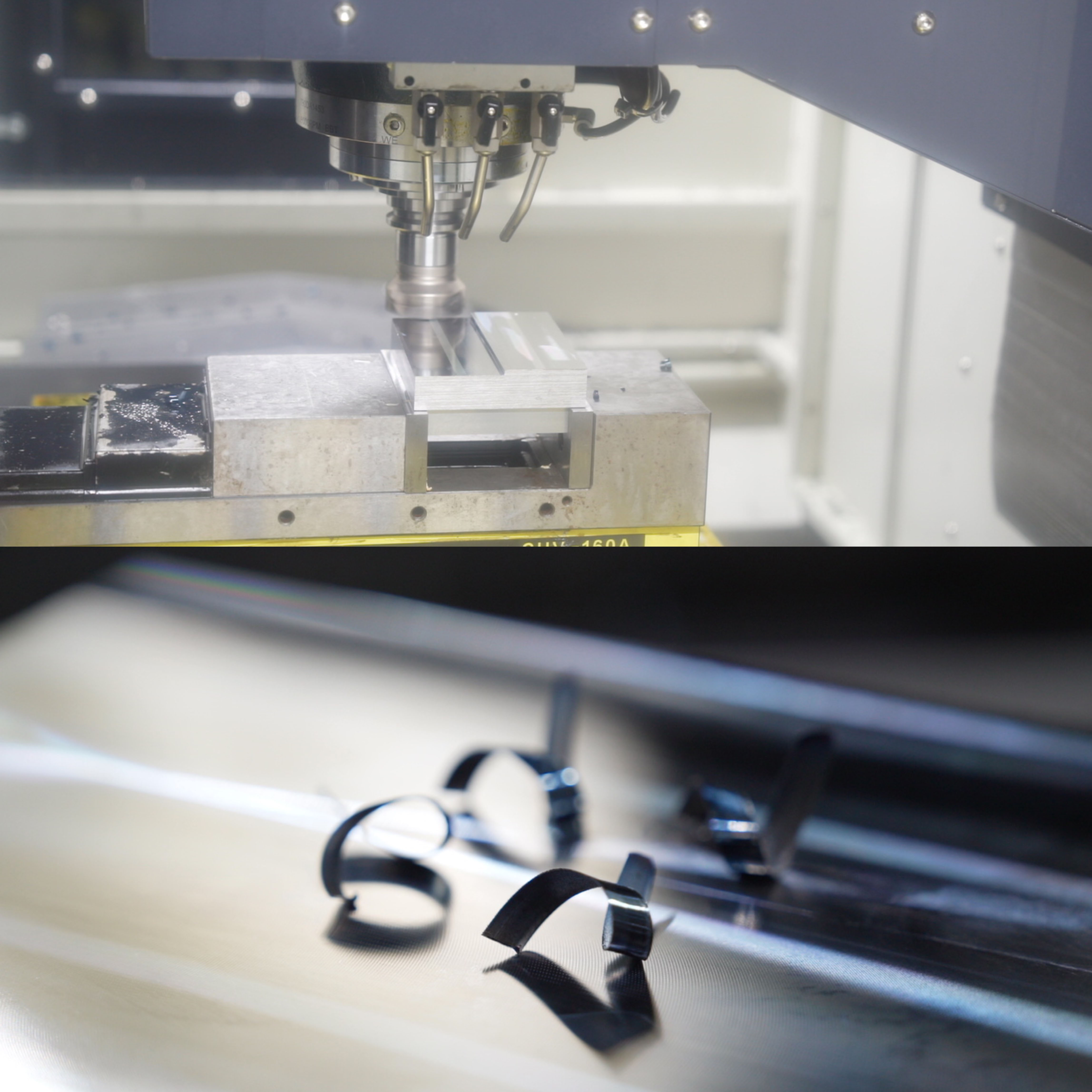
Achieving Unmatched Precision with CNC Machines
CNC (Computer Numerical Control) machines deliver precision unattainable through manual methods, revolutionizing industries from aerospace to medical device manufacturing. Their ability to maintain tolerances within ±0.001 inches (ASME B5.54 Standard 2023) makes them indispensable for high-stakes applications.
Understanding CNC Machining Precision and Its Importance
Precision directly impacts component functionality, safety, and interoperability. In aerospace, a 0.002-inch deviation in turbine blades can reduce engine efficiency by 12% (NIST 2023). CNC machining eliminates such risks through digital reproducibility, ensuring parts meet exact design specifications every time.
Enhanced Accuracy Through Digital Control Systems
Today's computer numerical control systems reach incredible levels of precision thanks to several key technologies working together. High resolution linear scales measuring down to 0.1 microns, closed loop servos that constantly check position in real time, plus smart algorithms compensating for heat expansion all contribute to this accuracy. The difference is dramatic when compared to older analog systems - we're talking around 98% fewer dimensional errors according to industry standards from ISO 230-2 back in 2023. What does this mean practically? Even after hours of non-stop machining, these advanced machines still keep their positioning accuracy within just 5 microns. That kind of consistency makes all the difference in manufacturing quality parts day after day.
Repeatability in High-Volume Production Runs
A 2023 NIST study demonstrated CNC machines produce 10,000 consecutive aerospace brackets with 99.8% dimensional uniformity, a maximum deviation of 0.005mm, and zero manual adjustments. This consistency slashes quality control costs by 40% in automotive supply chains.
Case Study: Meeting Tight Tolerances in Aerospace Components
One major player in aerospace manufacturing needed around 5,000 fuel nozzle inserts for their latest aircraft model. The specs were pretty tight too - they wanted bore concentricity within plus or minus 0.0004 inches, surface finish no worse than 8Ra, and everything had to meet those strict AS9100D quality standards. When they switched to CNC machining for production, the results were impressive. First pass yield hit 100%, which is unheard of in this industry. Cycle times dropped by almost 40% compared to what they were using before, and there wasn't a single piece scrapped because of dimension issues. Looking at the numbers after deployment, NASA reported something remarkable: mechanical failures during flights went down by over two-thirds since implementing these new components. That kind of reliability makes all the difference when we're talking about parts that literally hold planes together mid-flight.
Can Human Operators Match CNC-Level Precision?
| Parameter | Manual Machining | CNC Machining |
|---|---|---|
| Tolerance Capability | ±0.005" | ±0.0005" |
| Production Consistency | 85–90% | 99.5–99.9% |
| Error Correction Speed | 15–30 minutes | <500 milliseconds |
While skilled machinists can achieve ±0.002" tolerances in small batches, research shows manual methods exhibit eight times higher variability in production runs exceeding 50 units. CNC's programmed toolpaths and automatic compensation systems make it the definitive standard for precision manufacturing.
Boosting Manufacturing Efficiency Through CNC Automation
Reducing Cycle Times with Automated CNC Workflows
CNC machines streamline production by executing complex operations through pre-programmed sequences, eliminating delays from manual tool changes and setups. Automated loading systems and pallet changers enable uninterrupted 24/7 processing, reducing typical cycle times by 18–22% compared to manual methods.
Minimizing Downtime via Continuous Operation and Predictive Maintenance
Modern CNC systems use vibration analysis and thermal sensors to predict bearing failures or tool wear 80–120 operating hours before breakdowns occur. This proactive approach reduces unplanned downtime by 65% (2024 manufacturing analytics), while cloud-based scheduling ensures maintenance aligns with planned intervals.
Integrating AI and IoT for Smarter CNC Performance Monitoring
Edge-computing devices process real-time machining data to dynamically adjust feed rates and spindle speeds. One automotive supplier reduced energy consumption by 31% using AI algorithms that optimize cutting parameters based on material hardness variations detected by force-torque sensors.
Optimizing Tool Paths to Increase Speed and Reduce Material Waste
Advanced CAM software calculates tool movements at 0.001mm precision, minimizing air-cutting time and overcuts. A 2025 aerospace study found adaptive toolpath strategies reclaimed 12–15% of titanium alloys previously lost to conservative machining allowances—translating to $380 per ton in savings.
Ensuring Consistent Quality Through Real-Time CNC Monitoring
Modern CNC machines employ real-time monitoring systems that track tool wear, spindle vibration, and dimensional accuracy during operation. Using Statistical Process Control (SPC), these systems compare live data against tolerance thresholds and automatically pause production when deviations exceed 0.005 mm—a critical safeguard for aerospace and medical components.
Sensor-Driven Feedback Loops for Defect Prevention
IoT-enabled CNC platforms integrate networked sensors measuring cutting forces and temperature fluctuations at 200 Hz. This data feeds into predictive maintenance algorithms that adjust feed rates and coolant flow before tool degradation affects quality. Closed-loop systems have been shown to reduce scrapped parts by 34% in high-volume automotive manufacturing.
Balancing High Initial Investment Against Long-Term Quality Gains
Although advanced monitoring tools add 15–25% to initial CNC setup costs, manufacturers typically achieve return on investment within 18–24 months through reduced waste and downtime. Eliminating post-machining inspection stages further offsets expenses, especially in industries requiring AS9100 or ISO 13485 compliance.
The Role of Advanced Programming in CNC Accuracy
How CAD/CAM Integration Enhances CNC Precision
When CAD and CAM systems work together, they can convert 3D designs straight into machine code without needing any intermediate steps that might introduce errors. The software behind these systems actually figures out the best possible cutting routes while also adjusting on the fly for things like tool bending during operation. This matters a lot when working with tough materials like hardened steel because even tiny mistakes bigger than 0.002 inches can mean throwing away whole production runs. Shops that have adopted this integrated approach tend to see around half as many size-related problems compared to places still doing everything manually according to recent industry data from last year's material processing studies.
Simulation Tools That Prevent Machining Errors Before Execution
Physics-based virtual machining environments predict collisions, thermal distortions, and material stress. A recent automotive case study highlights the impact:
| Metric | Pre-Simulation | Post-Simulation | Improvement |
|---|---|---|---|
| Alignment errors | 12% of units | 0.8% of units | 94% reduction |
| Tool breakage rate | 18 incidents/month | 2 incidents/month | 89% reduction |
| Cycle time | 4.7 hours | 3.9 hours | 17% faster |
These simulations allow testing of hundreds of toolpath variations in minutes—avoiding costly physical trials and preventing $5,000–$20,000 in material waste per prototype.
FAQ
What is CNC machining?
CNC machining stands for Computer Numerical Control machining. It is a manufacturing process wherein pre-programmed computer software dictates the movement of factory tools and machinery. It enables high precision and efficiency in producing components.
How does CNC machining benefit industries like aerospace?
CNC machining provides unmatched precision and repeatability, crucial for industries like aerospace where even minor deviations can lead to significant issues. It ensures parts are manufactured to exact specifications, improving safety and performance.
Can manual machining ever match CNC machining in terms of precision?
While skilled machinists can achieve remarkable precision, CNC machining vastly outperforms manual methods due to its ability to consistently produce parts with extremely tight tolerances and minimal error rates.
How do CNC machines reduce production cycle times?
CNC machines utilize automated workflows which eliminate delays associated with manual processes. This includes pre-programmed sequences and automated tool changing systems that allow for continuous operation, significantly reducing cycle times.
What is the role of AI in CNC machining?
AI improves CNC machining by optimizing processes via real-time data analysis. For example, it can adjust cutting parameters for material changes and monitor machine conditions to preemptively schedule maintenance, reducing downtime.

