
 EN
EN
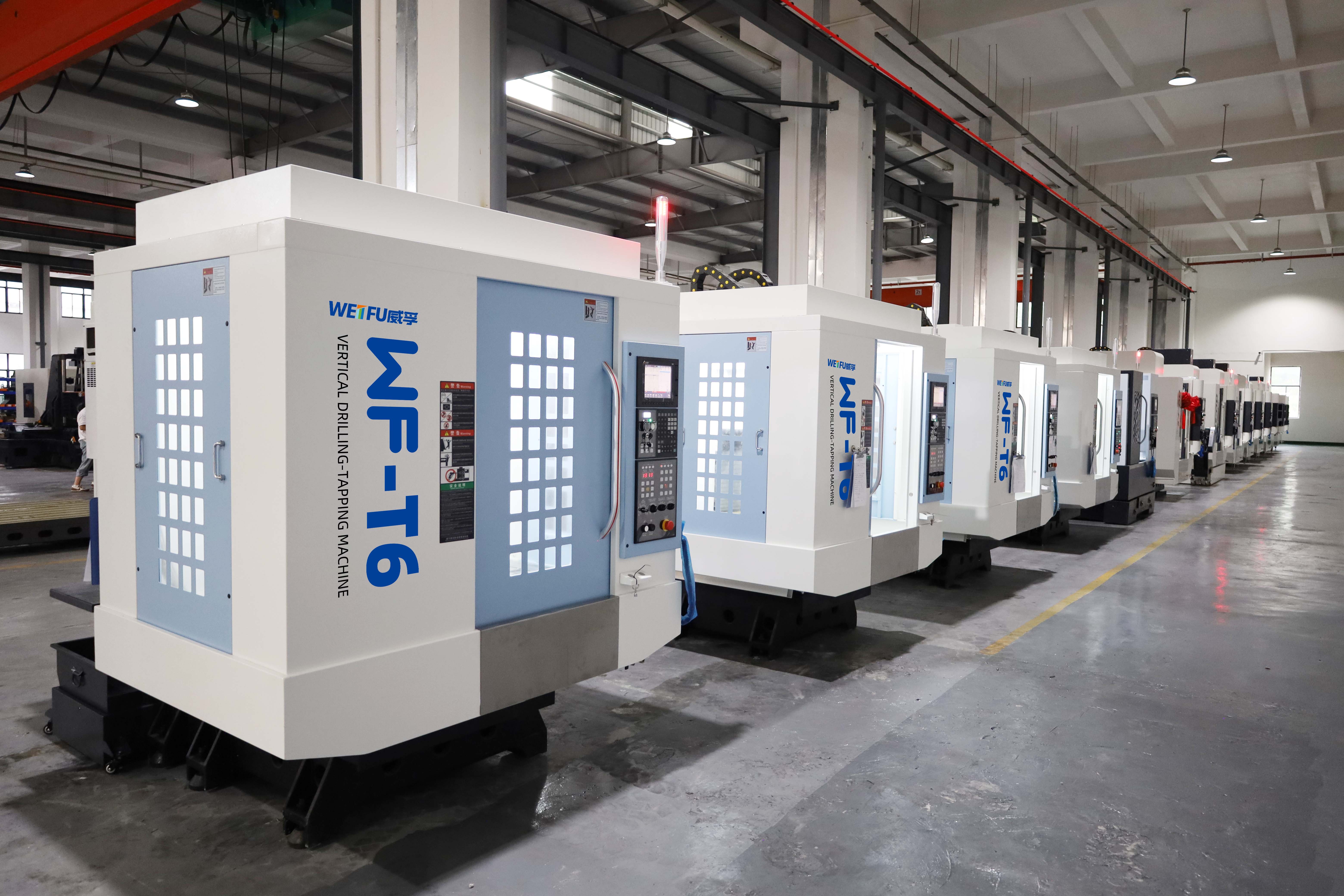
Understanding CNC Milling Machine Types and Core Configurations
Overview of CNC Milling Machine Types and Their Primary Uses
CNC milling machines today come in different configurations based on how many axes they can operate along, typically divided into three main categories: 3-axis, 4-axis, and 5-axis systems. The versatility of these machines makes them indispensable in various manufacturing settings, ranging from quick prototype development all the way through full scale production runs in sectors like car manufacturing and aircraft construction. Three axis machines work great for straightforward jobs such as engraving details onto surfaces or cutting flat materials. But when it comes to making intricate parts with complicated shapes, nothing beats the capabilities of a 5 axis machine. These advanced tools can handle sophisticated designs like those needed for turbine blades because they're able to cut along multiple directions at once according to research published by Ponemon back in 2023.
3-Axis vs. 4-Axis vs. 5-Axis Machines: Capabilities and Industrial Applications
Three axis CNC mills move along X, Y, and Z directions covering around 80 percent of regular machining jobs most shops deal with daily. When manufacturers need to machine round objects efficiently without constantly adjusting positions manually, they upgrade to four axis systems that include an extra rotational A axis. And then there are those really demanding aerospace parts where angular cuts must be spot on within plus or minus point zero zero zero five degrees. That's where five axis machines shine because they don't require taking the part out and putting it back in again after each cut. These advanced systems maintain incredible precision while also speeding things up considerably compared to traditional methods.
Vertical vs. Horizontal Milling Centers: Structural Differences and Workflow Impact
With their spindles positioned at right angles to the work surface, vertical CNC mills are great for tasks like die sinking and creating those intricate 2.5D shapes. Horizontal machines take a different approach altogether. Their parallel spindles make it much easier to clear away chips during cutting, which means they can remove material faster. This makes them perfect for bigger jobs such as machining engine blocks or other substantial parts. According to some industry data from last year, switching between tools takes about 25% less time on vertical models compared to horizontal ones. But when dealing with large production runs where clearing out metal scraps matters most, horizontal setups still beat their counterparts by around 30% efficiency in swarf management.
Matching CNC Machine Capabilities to Materials, Projects, and Industry Requirements
Machining metals, plastics, composites, and alloys: Material-specific considerations
What materials get chosen has a big impact on what kind of machines end up being used. When working with hardened steels, spindle speeds generally stay under 8,000 RPM because going faster just wears down the tools too quickly. But things change when dealing with plastics like PEEK which actually need spindle speeds above 12,000 RPM to keep them from melting right on the cutting edge. For aluminum alloys, most shops find vertical machining centers work best when paired with good old flood coolant since it stops those pesky chips from sticking everywhere. Titanium tells a different story though. Horizontal systems become necessary here along with high pressure through-spindle cooling that keeps temperatures in check. And then there's carbon fiber composites. These bad boys demand diamond coated tools to minimize delamination issues during cutting operations. Plus, proper dust extraction systems aren't optional anymore if we want to protect operators from inhaling all that fine particulate matter.
Project scale and production volume: How they influence machine selection
For high volume automotive manufacturing, automation is king these days. Shops rely on things like pallet changers and those big 40-taper spindles that keep operations running non-stop while cutting down cycle times somewhere around 18 to maybe even 22 percent. Things look different at prototype focused facilities though. These places need all sorts of flexibility so they go with 5 axis machines equipped with modular work tables and tooling that can be swapped out quickly. This lets them jump from working with tough aerospace aluminum one day to handling medical grade POM-C the next without missing a beat. A recent industry poll back in 2023 found something interesting too. Job shops that had invested in twin spindle CNC systems saw their setup times drop dramatically when dealing with mixed product runs. Some reported cutting those setup periods by almost 40% which makes a huge difference when trying to meet tight deadlines across multiple projects simultaneously.
Industry-specific demands in aerospace, medical, and automotive sectors
The aerospace industry needs machines that can maintain position accuracy down to about 0.005mm, which is why most shops invest in equipment with thermal compensation features and specially designed vibration dampening bases. When it comes to medical devices, manufacturers must work with ISO 13485 certified machinery. These systems need to produce surfaces smoother than Ra 0.4 microns on materials like titanium grade 5 and cobalt chrome alloys that won't react badly inside the human body. Things are changing fast in automotive manufacturing too. More shops are turning to hybrid machines that combine milling and turning capabilities with live tools. A major German car company actually saw their camshaft production get 15 percent better when they switched to these combined lathe mill setups, according to recent reports from their factory floor.
Evaluating Precision, Spindle Performance, and Tolerance Standards
Achieving Tight Tolerances: ±0.001mm Requirements in High-Precision Industries
Getting down to those super tight tolerances at the micron level, around plus or minus 0.001mm for things like aerospace components and medical devices, needs some serious tech upgrades. Thermal stabilization systems are pretty much essential here, keeping machine bed temps stable within just 1 degree Celsius according to those ISO 230-3 guidelines we all know and love. Then there's the high res linear encoders doing their thing with positioning repeatability down to 0.1 microns. That makes a world of difference when it comes to overall accuracy. And let's not forget about those linear scale feedback systems either. They cut down on shape deviations by nearly half compared to old school ball screw setups. This means manufacturers can count on getting consistently good parts batch after batch, something that really matters in industries where even tiny errors can cause big problems later on. A recent study published in the Precision Engineering Journal backs up these claims from last year.
Spindle Speed, Power, and Torque: Balancing Performance with Material Hardness
Optimal spindle performance depends on material characteristics:
| Material | Recommended RPM Range | Torque Requirement | Key Application |
|---|---|---|---|
| Aluminum | 8,000–15,000 | 8–12 HP | Heat-sensitive components |
| Titanium | 1,500–3,000 | 15–25 HP | Aerospace structural parts |
| Hardened Steel | 800–2,000 | 20–35 HP | Tooling and molds |
High-torque spindles excel in hard-material machining but limit maximum speed, while high-speed spindles (20,000–42,000 RPM) deliver superior surface finishes at the expense of material removal rate.
High RPM vs. High Torque: Resolving Performance Trade-Offs in CNC Machining
Getting the right balance for spindle parameters means looking at what kind of material we're working with and how complex the part actually is. For those really delicate aerospace parts that need finishes below Ra 0.4 microns, shops typically go with liquid cooled spindles running around 30,000 RPM. These help keep things from bending too much during machining. When dealing with tough materials like Inconel alloys though, the story changes completely. The shop floor guys know they need spindles rated for about 18,000 Newton millimeters of torque to handle those aggressive cuts where each tooth takes away 0.03 mm of material. Most new equipment coming out these days has this fancy adaptive torque control feature built in. It can tweak the power output between 20 to 35 percent depending on what the sensors pick up in real time. This helps tools last longer and keeps the whole machining process stable even when conditions change unexpectedly.
Integrating Control Systems, CAD/CAM Software, and Smart Machining Technologies
Seamless CAD/CAM Integration for Efficient Design-to-Production Workflows
When CAD/CAM systems work together, they make it much easier to go from computer designs straight to actual products because they can turn those 3D models directly into instructions for machines. The benefit here is twofold really. First, there are fewer mistakes made during programming since everything connects seamlessly. Second, projects tend to take about 40% less time when working with complex multi-axis setups according to what many manufacturers report. For industries that need precision down to the last decimal point, like aerospace where parts must fit within just half a thousandth of a millimeter tolerance, these real time design changes make all the difference between success and costly rework on the factory floor.
User-Friendly Interfaces and Reducing Operator Learning Curves
When it comes to operator training times, touchscreen interfaces paired with visual toolpath simulations can slash learning curves by around half compared to those old school text based control systems. These modern setups come with guided workflows and smart menus that pop up exactly what's needed when adjusting important settings like feed rates or spindle speeds. And let's not forget about centralized error logs either. Manufacturers have noticed something pretty significant here actually - problems get fixed about 35 percent faster when dealing with calibration issues. Plus there's been reports of roughly 20% better productivity numbers in facilities handling lots of different products at once. Makes sense really, since everyone spends less time figuring things out and more time getting actual work done.
AI-Driven Toolpath Optimization and the Future of Intelligent CNC Control Systems
Modern machine learning tools look at all sorts of factors like material characteristics, how worn down tools get over time, and those annoying vibrations during operation just so they can tweak cutting paths on the fly. Some real world tests back in 2023 showed pretty impressive results too - around 18 percent faster processing times for those tricky Inconel 718 turbine blades when manufacturers started using AI powered CAM software. The latest tech is taking it even further with Internet of Things sensors that automatically control coolant levels and actually forecast when parts might need replacing. This kind of smart automation makes round-the-clock manufacturing much more realistic for car factories and medical device makers who need consistent output without constant human oversight.
Assessing Total Cost of Ownership, Support, and Long-Term ROI
Initial Cost vs. Long-Term ROI: Evaluating Budget and Productivity Gains
When looking at the total cost of owning a CNC milling machine, the initial purchase price actually makes up just about 45 to 60 percent of what it really costs over time. There are other ways to save money too. For instance, newer controller technology has been shown to cut down on cycle times somewhere between 18 and 30 percent. Plus, machines with better designed spindles consume less electricity, which translates to annual savings anywhere from $1,200 to as much as $2,500 on power bills alone. Manufacturers working in precision fields know this well. Machines that maintain an accuracy range of plus or minus 0.005 mm help reduce costly rework situations by around 40 percent. These kinds of efficiencies make a real difference when calculating return on investment across those critical five to seven years most companies consider their equipment lifecycle.
Predictive Maintenance and Machine Longevity in Modern CNC Systems
IoT-enabled sensors detect early signs of bearing failure 80–120 hours before breakdowns occur, reducing unplanned downtime by 55%. Implementing predictive maintenance extends equipment lifespan by 3–5 years and decreases annual repair costs by $8,000–$15,000. For hardened steel applications, adaptive lubrication systems reduce grease consumption and waste disposal costs by 30%.
Manufacturer Support, Training, and Global Service Networks
A recent 2024 industry poll found that about two thirds of manufacturers really prefer suppliers who can respond to emergencies within just 25 hours. The top CNC equipment providers have these standard training courses that actually help bridge the skills gap for operators. We're talking around half the skill deficit gone in as little as six months, which makes all the difference when companies start using those complex 5 axis multitaskers. Plants connected to worldwide service networks see something remarkable too their spindle replacements happen roughly 92 percent quicker compared to facilities stuck with only local support options. Makes sense why so many shops are investing in broader service partnerships these days.
Frequently Asked Questions (FAQ)
What are the main types of CNC milling machines?
The main types of CNC milling machines are 3-axis, 4-axis, and 5-axis systems, each offering varying levels of precision and capability for different machining tasks.
How do vertical and horizontal milling centers differ?
Vertical milling centers have spindles positioned at right angles to the work surface, ideal for detailed tasks, while horizontal centers have parallel spindles, better for large-scale material removal jobs.
What factors affect the choice of CNC machine?
Factors include project scale, material type, industry requirements, production volume, and the need for precision and specific machining capabilities.
How does AI enhance CNC machining?
AI-driven tools optimize toolpaths, adapt cutting strategies in real-time, and use IoT sensors for predictive maintenance, improving efficiency and reducing downtime.
What are some benefits of CAD/CAM integration in CNC machining?
CAD/CAM integration reduces programming errors and speeds up production time by about 40%, facilitating precision and efficiency in complex machining tasks.
Table of Contents
- Understanding CNC Milling Machine Types and Core Configurations
- Matching CNC Machine Capabilities to Materials, Projects, and Industry Requirements
- Evaluating Precision, Spindle Performance, and Tolerance Standards
- Integrating Control Systems, CAD/CAM Software, and Smart Machining Technologies
- Assessing Total Cost of Ownership, Support, and Long-Term ROI
- Frequently Asked Questions (FAQ)

