
 EN
EN
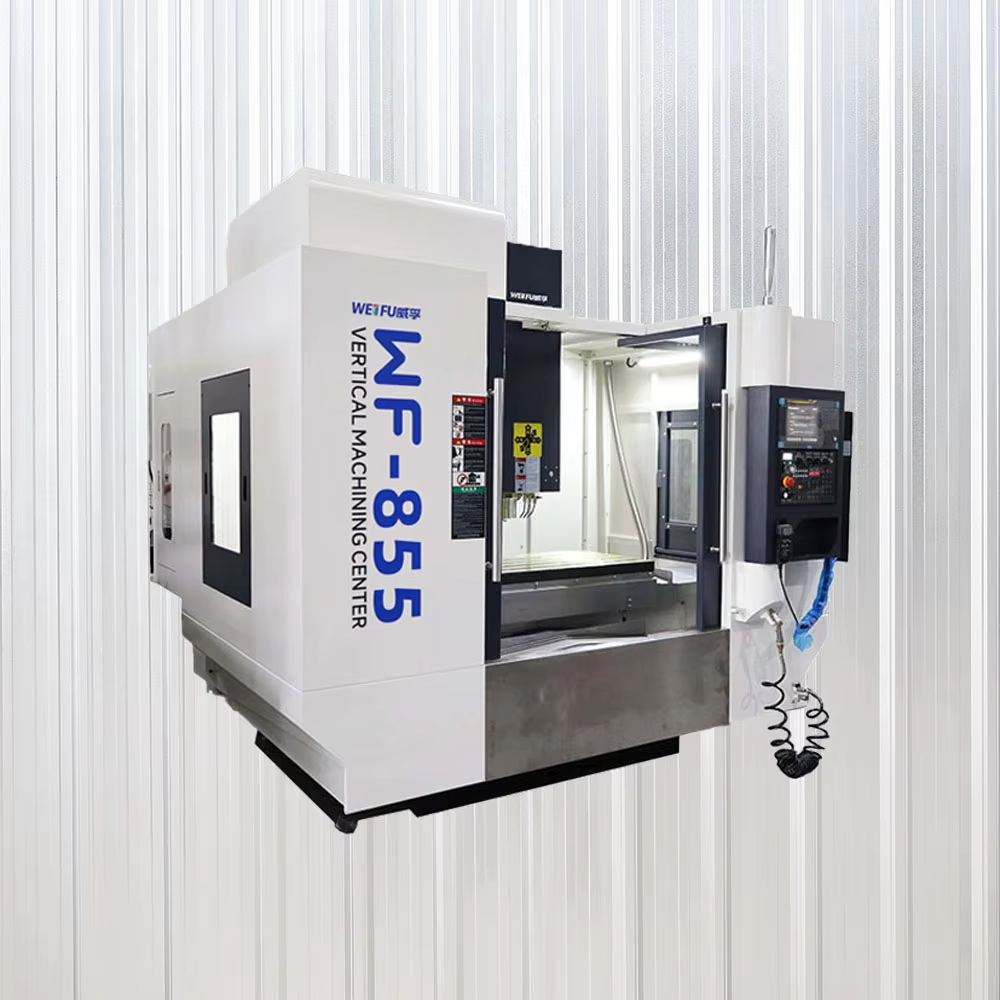
Spindle Orientation and Core Mechanical Differences
Spindle orientation differences between horizontal and vertical milling machines
What really sets these machines apart comes down to how the spindle is aligned. Vertical machines have their cutting tools positioned straight up and down relative to the worktable surface. Horizontal models work differently though, with the tool running alongside the table instead. Because of this setup, vertical mills tend to handle surface level tasks better, such as creating slots or shaping contours with high accuracy. On the flip side, when dealing with deeper cuts along walls, especially in tougher materials like steel or cast iron, horizontal machines generally perform much better. A recent study from Xavier Machining in 2023 backs this observation up quite nicely.
How spindle position affects tool approach and workpiece access
Vertical spindles allow direct top-down engagement, making them ideal for flat surfaces and 2.5D machining. In contrast, horizontal spindles enable wrapped cutting motions around workpieces. Research from CNC Machine Tool Institute shows this configuration achieves 30% faster multi-face machining through simultaneous tool engagement.
Vertical boring mills vs horizontal boring mills: Functional distinctions
Vertical boring mills handle those big diameter jobs inside rotating parts, think flywheels and rings mostly. The horizontal ones work better for long heavy stuff though, things like engine blocks and gearboxes where length matters more than depth. A recent report from Fabrication Tech in 2023 showed something interesting about these horizontal machines. They can hit pretty impressive accuracy levels around plus or minus 0.01 mm even when working on pieces that stretch out to four meters long. This is made possible through special counterbalance systems that aren't really found in their vertical counterparts. Makes sense why many shops prefer them for certain applications despite the higher initial investment cost.
Machining Performance: Precision, Speed, and Efficiency
Precision and Detail Work Capabilities of Vertical Mills
Vertical milling machines are pretty accurate, usually keeping within tolerances around ±0.001 inch or even tighter because of how the spindle points straight down. When working vertically, machinists can actually see what's happening with the cutting tools as they go along, which makes it easier to tweak things on the fly when doing detailed work such as engraving or shaping complex contours. Some research from last year showed that these vertical machines hit about 23 percent better accuracy for aluminum parts than horizontal ones do, but this difference tends to shrink when dealing with harder materials where both types struggle somewhat.
Material Removal Rates and Suitability for Heavy Cutting in Horizontal Mills
When it comes to taking off large amounts of material, horizontal mills beat vertical models hands down. They can remove metal about 40 percent faster when working with tough materials like cast iron and steel. The way these machines are set up horizontally allows for much deeper cuts during each pass, usually around 15 to 20 percent deeper than what vertical mills manage. Plus, they handle those intense cutting forces better too. That's why shops often reach for horizontal mills when dealing with big jobs such as machining automotive engine blocks or manufacturing parts for wind turbines where there's simply tons of material to strip away before getting to the final shape.
Chip Evacuation Efficiency in Horizontal vs Vertical Mills
When it comes to chip removal, horizontal mills have something going for them thanks to gravity doing most of the heavy lifting. Fluid dynamics studies suggest these machines can be anywhere from 35 to 50 percent more efficient during long running operations. The spinning tool actually throws the chips right off the part being worked on, which cuts down on those pesky issues where metal gets cut again and again while also keeping temperatures under control. Vertical mills tell a different story though. These typically need extra help getting rid of chips sitting in those hard to reach areas. Manufacturers end up relying on things like powerful coolant sprays or blasts of compressed air just to keep things moving smoothly in mass production settings. This added step definitely complicates matters when trying to run at scale.
Is Higher Precision Always Tied to Vertical Orientation? Debunking the Myth
Vertical mills are still king for those tiny precision parts, but don't count out horizontal machines just yet. The newer models come with these solid, temperature-adjusting spindles that can hit pretty impressive tolerances around ±0.0005 inches. This matters a lot in aerospace stuff where gearboxes need to be spot on. According to a recent industry check from 2023, about 28 percent of shops actually prefer horizontal mills for bigger precision jobs. These machines handle tricky materials better too, especially when working with titanium alloys that tend to vibrate during cutting processes.
Ideal Applications by Industry and Part Type
Common Use Cases for Vertical Machining Centers: Small-Part and High-Detail Production
In fields where precision down to the micron matters, vertical machining centers have become industry staples, particularly within medical device production and electronic component fabrication. According to recent data from Machinery Today (2023), around three quarters of manufacturers surveyed depend on these vertical mills to produce complicated parts like housing units for surgical tools or tiny connectors used in microelectronics. The vertical arrangement of the spindle offers operators clear sightlines during operation something that becomes really important when dealing with detailed shapes cut into tough materials such as aluminum and titanium alloys commonly found in aerospace applications too.
Production Volume Considerations in Vertical Setups: Low vs High Volume Runs
Vertical systems perform best in low-to-medium batch production (≤500 units), where rapid tooling changes outweigh throughput demands. A 2023 study showed that switching between 3D-contoured molds takes 32% less time on vertical platforms than on horizontal equivalents, enhancing flexibility in job shop environments.
Horizontal Mills in Heavy-Duty Applications: Automotive and Aerospace Case Studies
In automotive manufacturing, horizontal mills leverage gravity-assisted chip evacuation to machine engine blocks and transmission cases, achieving 22% faster material removal in cast iron. Aerospace producers report 15% higher dimensional stability when machining large-section aluminum wing spars on horizontal boring mills, benefiting from reduced thermal distortion and improved fixturing rigidity.
Operational Factors: Setup, Automation, and Operator Skill
Setup complexity and operational ease: Vertical vs horizontal machines
Vertical CNC mills tend to cut down on setup time by around 30 to 50 percent because they need simpler fixtures and their workholding is basically helped along by gravity. When operators look at where the tools will go, they spot problems much quicker than with horizontal machines. This actually cuts alignment mistakes down by as much as 40% in many cases. Horizontal setups usually need complicated calibration processes that take extra time. For shops that switch between different jobs all day long, vertical machines just make more sense most of the time. That said, there are definitely situations where horizontal systems shine better, especially when working on parts that need machining from multiple sides at once.
Automation integration and pallet changers in horizontal systems
When it comes to getting ready for automated manufacturing, horizontal machining centers are definitely ahead of the game. According to recent industry data from Automation Technology Report, around 70-75% of manufacturers have already adopted pallet changing systems. What makes these systems so valuable is that they let factories keep running non-stop while parts get prepared separately. This feature is especially important on those automotive assembly lines that operate day and night without stopping. Vertical mills do have their place too, particularly with robotic arms handling smaller components. But when looking at scale and flexibility across multiple pallets, nothing quite matches what horizontal machining platforms can offer in real world production environments.
Operator skill requirements and training investment
It usually takes about six to nine months to get really good at horizontal milling, while folks typically spend around three to four months learning vertical machines according to various industry training reports. The work involves handling several cutting planes at once, dealing with complicated fixtures, and working with those automated chip removal systems. All this requires pretty strong spatial awareness and the ability to optimize processes effectively. Many technicians end up needing two separate certifications one for CNC programming and another for production planning just to keep up with all the requirements in this field.
Ease of operation and learning curve for beginners on vertical mills
Operators tend to pick up the basics of vertical mills about twice as fast compared to working with horizontal ones, according to industry training data where around 9 out of 10 programs suggest starting with vertical setups when teaching CNC fundamentals. What makes this possible? Well, the way the Z-axis is positioned vertically along with focusing on just one plane at first really helps techs get comfortable with essential skills such as adjusting tool offsets and controlling feed rates without getting overwhelmed by too many variables all at once. Once they've mastered these basics, moving onto those complicated multi-axis systems becomes much less intimidating down the road.
FAQs
What are the main differences between vertical and horizontal milling machines?
Vertical milling machines have spindles that are oriented vertically, making them ideal for precision detail work and tasks involving flat surfaces. In contrast, horizontal mills have spindles that run parallel to the worktable, which can effectively handle deeper cuts and heavier tasks.
Which type of milling machine is better for heavy-duty applications?
Horizontal milling machines are typically better suited for heavy-duty applications due to their ability to manage deeper cuts, their enhanced vibration stability, and their efficacy in high-volume production settings.
Are vertical mills more cost-effective than horizontal mills?
Initially, vertical mills are generally more cost-effective, with lower starting costs. However, horizontal mills, while more expensive, offer faster material removal rates and are often more suitable for large-scale production, leading to potentially quicker returns on investment.

