
 EN
EN
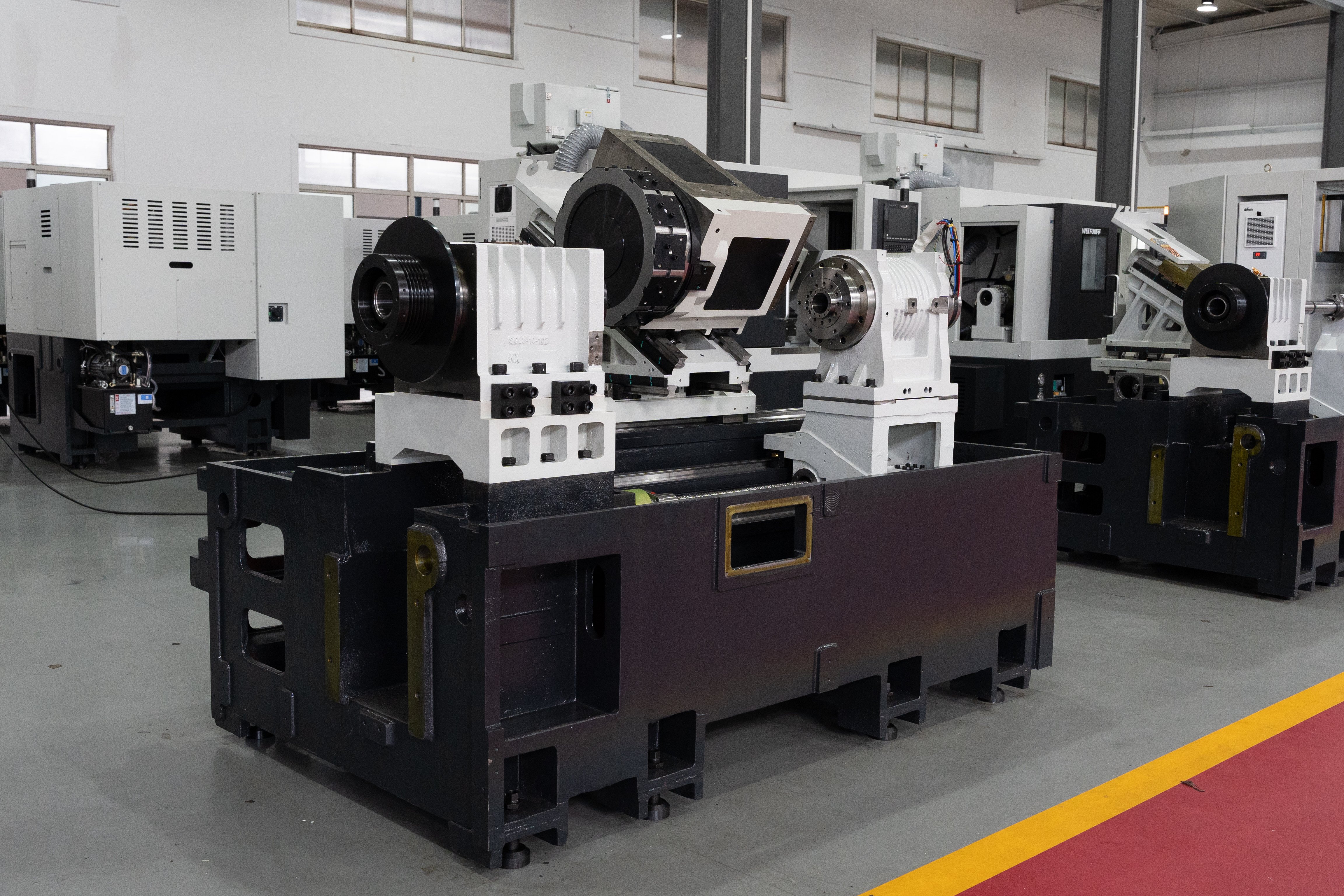
Сучасне виробництво вимагає гнучкості, точності та ефективності одночасно. ЧПК-токарний верстат чПУ токарний верстат став незамінним у сучасному конкурентному середовищі, оскільки він усуває розрив між швидким створенням прототипів та масовим виробництвом великих партій. Незалежно від того, чи розробляєте ви новий дизайн продукту, чи збільшуєте обсяги до тисяч одиниць, ЧПК-токарний верстат чПУ токарний верстат забезпечує необхідну універсальність для задоволення обох потреб без необхідності окремих верстатів або масштабної переналагодження. Такий уніфікований підхід скорочує капіталовкладення, мінімізує простої у виробництві та прискорює вихід продукту на ринок для виробників у різних галузях.
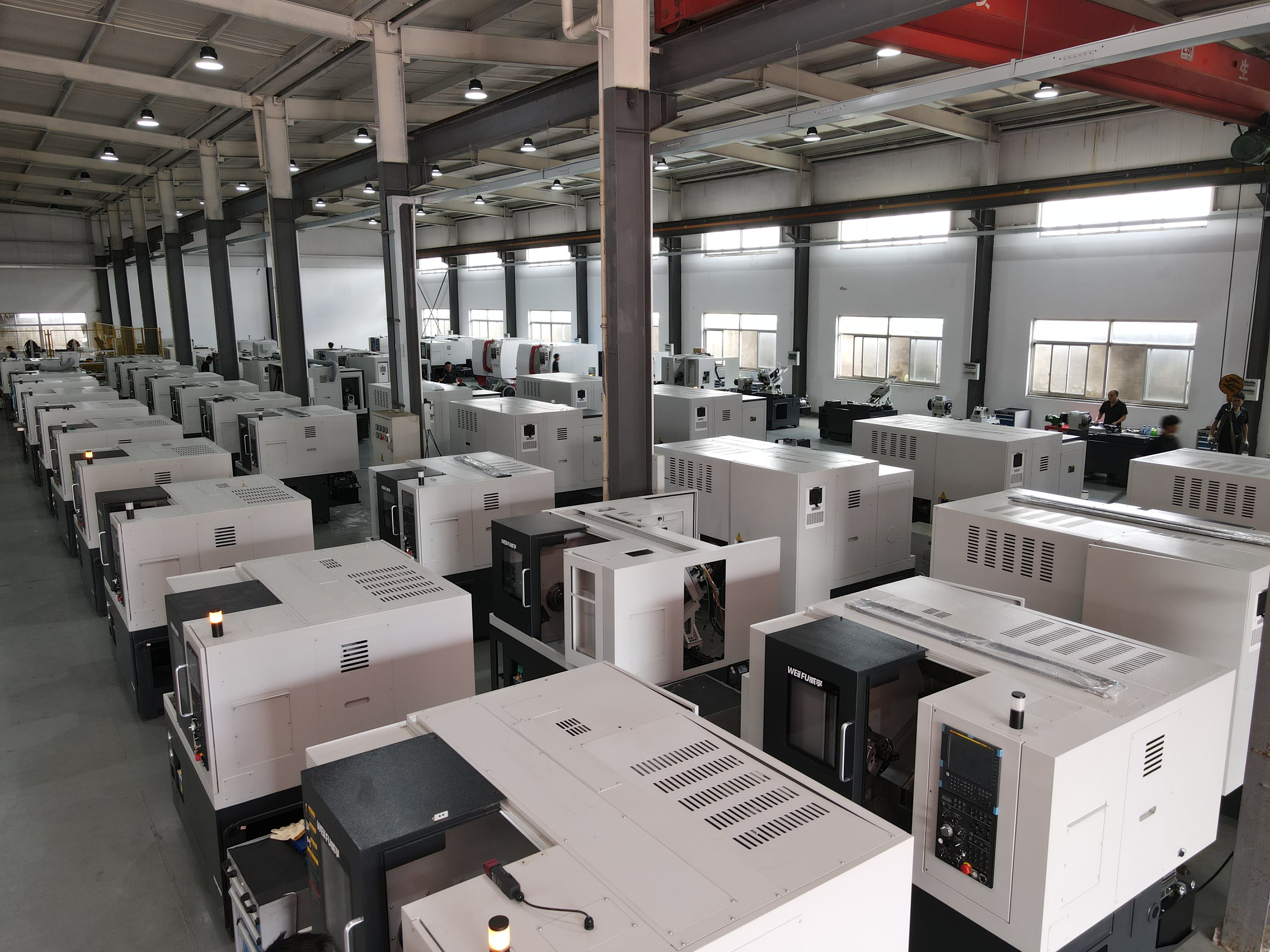
Здатність чПУ токарний верстат адаптуватися від малих партій прототипування до повномасштабного виробництва — це не просто зручність; це фундаментальна зміна того, як виробники підходять до розробки продуктів та їхнього виведення на ринок. A чПУ токарний верстат усуває традиційне «вузьке місце» у перенесенні конструкцій між різними типами верстатів, зменшує кількість помилок, забезпечує узгодженість і зберігає корпоративні знання протягом усього життєвого циклу виробництва. Розуміння того, як ефективно використовувати чПУ токарний верстат для обох етапів виробництва, є обов’язковим для компаній, які прагнуть конкурентних переваг і операційної стійкості.
Як токарний верстат з ЧПУ переходить від прототипування до виробництва
Єдиний налаштування для кількох масштабів
Коли інженери та виробники оцінюють інвестиції в обладнання, концепція єдиного платформенного рішення, здатного обслуговувати різні обсяги виробництва, виглядає привабливою теоретично, але на практиці потребує доведеної реалізації. A чПУ токарний верстат досягає цього за допомогою програмованої автоматизації, що означає: той самий фізичний верстат може сьогодні виготовити один екземпляр прототипу, а завтра — сотні ідентичних компонентів без механічної переналагоджування. Оператор вводить параметри конструкції в систему керування, налаштовує зміщення інструментів, і чПУ токарний верстат повторює точно такі самі різи з точністю, яку людські оператори не можуть забезпечити протягом тривалих серій виробництва. Ця повторюваність є основою того, чому чПУ токарний верстат економічно вигідний як для малих, так і для великих партій.
Швидка модифікація та тестування програм
Розробка прототипів за своєю природою передбачає ітерації. чПУ токарний верстат дозволяє інженерам за кілька хвилин змінювати програми різання, траєкторії руху інструментів та граничні допуски розмірів, що забезпечує швидке перевірення конструкції без очікування нових пристосувань або ручного переналагодження. Коли тест прототипу показує, що потрібно скоригувати різьбову ділянку або уточнити діаметр, чПУ токарний верстат оператор може редагувати програму, провести пробне різання на відходах і перевірити зміну в межах однієї зміни. Така гнучкість скорочує цикли створення прототипів з тижнів до днів, що безпосередньо впливає на графіки розробки продукції. Під час зростання обсягів виробництва ті самі програми масштабуються безперебійно — чПУ токарний верстат виконує їх протягом восьми або вісімдесяти годин із однаковою якістю та стабільністю вихідних параметрів.
Точність та стабільність якості в усьому діапазоні обсягів виробництва
Збереження жорстких допусків будь-якого масштабу
Точність є обов’язковою у виробництві — незалежно від того, чи виготовляється п’ять прототипів чи п’ятитисяч одиниць. чПУ токарний верстат зберігає точність на рівні мікронів, оскільки рух інструменту керується кроковими двигунами та цифровими системами зворотного зв’язку, а не ручним введенням або механічними відхиленнями. Це означає, що перша деталь, виготовлена на чПУ токарний верстат і десятитисячна частина мають ідентичні розміри, крок різьби та якість поверхні. Для виробників, які переходять від прототипування до масового виробництва, така узгодженість усуває несподівані проблеми з якістю, що часто супроводжують масштабування операцій. A чПУ токарний верстат оснащена системами моніторингу в реальному часі може виявити зношування інструменту до того, як воно вплине на точність розмірів, забезпечуючи відповідність партій заданим межам специфікації протягом тривалих циклів виробництва.
Зниження браку та ефективніше використання матеріалів
Кожна деталь, відхиленою під час прототипування або раннього виробництва, означає втрату матеріалу, робочої сили та затримку графіка. Оскільки чПУ токарний верстат виконує цифрово перевірені програми з передбачуваними траєкторіями руху інструменту, рівень браку залишається мінімальним незалежно від обсягу виробництва. Під час прототипування така точність означає меншу кількість відхилених зразків і швидшу валідацію конструкції. Під час масового виробництва така точність перетворюється на меншу кількість бракованих одиниць, нижчі витрати на доробку та зменшення відходів матеріалу. Промислові користувачі повідомляють, що впровадження чПУ токарний верстат для як етапу прототипування, так і етапу виробництва зменшує рівень браку на 30–50 % порівняно з комбінованими методами, забезпечуючи значні економії витрат із зростанням обсягів.
Витратні та експлуатаційні переваги єдиного виробництва
Усунення надлишковості обладнання та капіталовкладень
Традиційні виробничі операції часто використовують окремі верстати для прототипування й виробництва — прототипний токарний верстат, оптимізований для гнучкості, та виробничий чПУ токарний верстат оптимізований для швидкості й автоматизації. Такий підхід блокує капітал, займає виробничу площу й вимагає двох програм технічного обслуговування та двох комплектів інструментів. Впровадження єдиного чПУ токарний верстат верстата, який виконує обидві функції, дозволяє виробникам знизити загальні витрати на встановлене обладнання, спростити управління запасами й створити гнучкість для перерозподілу потужностей верстатів у міру зміни ринкового попиту. Єдиний верстат з високою продуктивністю чПУ токарний верстат часто є економічнішим, ніж два спеціалізованих верстати, особливо для виробників середнього рівня зі змінними обсягами виробництва.
Експертні знання персоналу та безперервність роботи
Працівники, які працюють на одному чПУ токарний верстат набувають глибоких експертних знань у єдиному програмному інтерфейсі, з єдиним набором інструментів, єдиною процедурою технічного обслуговування та єдиним робочим процесом. Така узгодженість скорочує час навчання нових операторів, мінімізує помилки в процедурах та забезпечує збереження проектних знань у структурі організації. Коли продукт переходить від прототипу до серійного виробництва, ту саму команду залишають для подальшої роботи, що зберігає контекст і запобігає розривам у комунікації між відділами. Така безперервність роботи особливо цінна в умовах виробництва, де корпоративні знання визначають якість і ефективність. Один чПУ токарний верстат використовують для обох етапів, що підсилює, а не порушує цю безперервність. 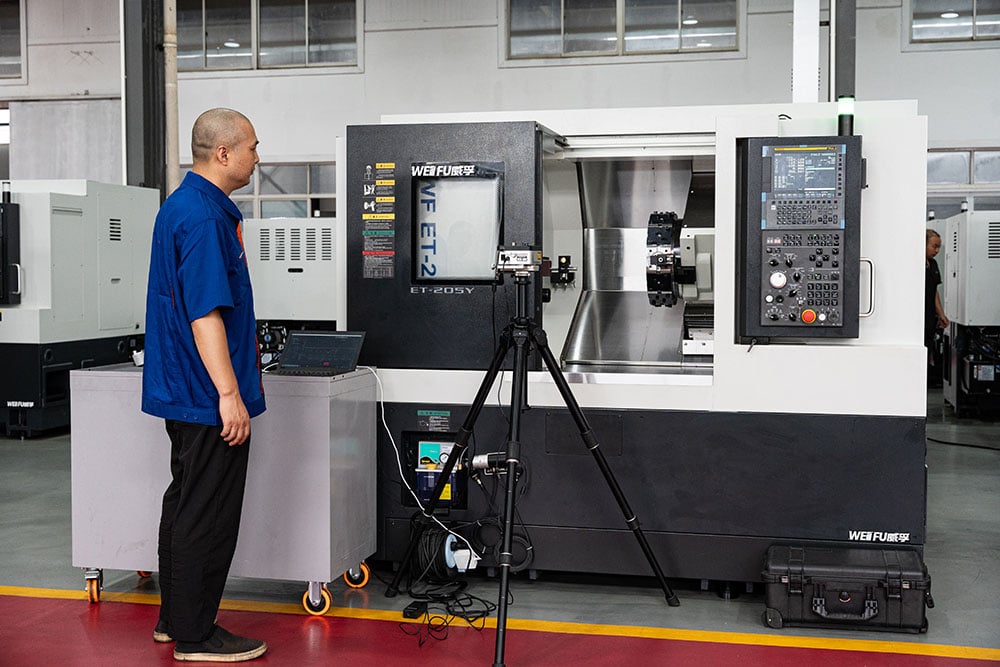
Питання та відповіді
Чи справді токарний верстат з ЧПК може задовольняти вимоги до швидкості масового виробництва?
Так, сучасні чПУ токарний верстат конструкції оптимізують швидкість обертання шпінделя, подачу та цикли зміни інструментів, щоб досягти цільових показників продуктивності виробництва. Промислові токарні верстати з ЧПУ забезпечують тривалість циклу, конкурентну щодо спеціалізованих виробничих верстатів, зберігаючи при цьому гнучкість, необхідну для прототипування. Ключовим є вибір чПУ токарний верстат верстата з відповідною потужністю шпінделя, місткістю інструментального магазина та функціями автоматизації, адаптованими до ваших цільових обсягів виробництва — чПУ токарний верстат верстат, розрахований на 100 деталей на годину, буде стабільно забезпечувати цю продуктивність під час виконання оптимізованих програм.
Що відбувається з програмою токарного верстата з ЧПУ при масштабуванні від прототипування до серійного виробництва?
Сама програма, як правило, залишається незмінною; змінюються параметри виробництва — такі як швидкість обертання шпінделя, подача та функції автоматизації. Програма чПУ токарний верстат для прототипування може виконуватися з обережними швидкостями та обробкою окремих деталей, тоді як та сама чПУ токарний верстат програма виробництва може працювати швидше за умови інтеграції автоматичного завантажувача деталей. Це означає, що фундаментальна геометрія й допуски, які ваш прототип підтвердив, зберігаються й у виробництві без необхідності повторного проектування, що зменшує ризик відхилення від проекту й забезпечує відповідність виробничих деталей специфікаціям прототипу.
Чи достатньо одного верстата з ЧПК для виробника, який одночасно займається прототипуванням і виробництвом?
Одне чПУ токарний верстат може виконувати обидві ці функції, але відповідь залежить від обсягу виробництва, частоти створення прототипів і цільових показників завантаження верстата. Виробник, який щодня виготовляє прототипи й щомісяця випускає п’ять тисяч одиниць, може виграти від використання кількох чПУ токарний верстат одиниць, щоб уникнути конфліктів у розкладі. Однак чПУ токарний верстат система з високою частотою обертання шпінделя, швидкими замінниками інструментів і автоматизацією значно збільшує обсяг робіт, які здатен виконати один верстат, часто роблячи одну одиницю достатньою для збалансованого навантаження як прототипування, так і виробництва.
Зміст
- Як токарний верстат з ЧПУ переходить від прототипування до виробництва
- Точність та стабільність якості в усьому діапазоні обсягів виробництва
- Витратні та експлуатаційні переваги єдиного виробництва
-
Питання та відповіді
- Чи справді токарний верстат з ЧПК може задовольняти вимоги до швидкості масового виробництва?
- Що відбувається з програмою токарного верстата з ЧПУ при масштабуванні від прототипування до серійного виробництва?
- Чи достатньо одного верстата з ЧПК для виробника, який одночасно займається прототипуванням і виробництвом?

